LandShop Learn
LandShop Learn
Stories, playbooks, and land lessons that feel more like a show than a knowledge base.
How to Read a Plat Map
Decode boundaries, easements, and setbacks in 12 minutes.
LandShop Learn
Stories, playbooks, and land lessons that feel more like a show than a knowledge base.
Understanding Easements
Right-of-way, utility easements, and how they affect value.
LandShop Learn
Stories, playbooks, and land lessons that feel more like a show than a knowledge base.
How to Buy Land on a Tight Budget
Buying land with limited cash is possible, but it usually requires a different approach than buying a turnkey property. The strongest path is to lower the upfront burden by choosing usable but imperfect land, matching the parcel to a phased plan, and using financing tools such as seller financing or qualified USDA farm loan programs when they fit. The goal is not to force a dream purchase too early. It is to get into ownership without buying land you cannot realistically hold.
LandShop Learn
Stories, playbooks, and land lessons that feel more like a show than a knowledge base.
What Land Buyers Learn Too Late
Most bad land deals are not ruined by one dramatic surprise. They are ruined by a few quiet assumptions: that the road is legal because it exists, that the soil will work because the lot looks dry, that the seller owns clean title because they say they do, or that a buyer will overlook restrictions later. The practical rule is simple: land has to work on paper before it works in your imagination.
Now browsing
Upcoming video
Browse Learn
Find the right surface first
Move from broad orientation to the full article library, course paths, topic hubs, and videos without hunting through rails.
Knowledge hubs
Browse by land problem
20 articles
Financing
Loans, owner financing, phased buying, and the mechanics of getting into land without guessing.
8 articles
Barndominiums
Shell types, phased builds, live-work layouts, financing, and what to verify before committing.
11 articles
Off-Grid
Grid-tied resilience, backup power, water systems, and calmer ways to build self-reliance.
11 articles
Taxes
Farmland assessment, tax treatment, and the state and federal rules that change the math.
18 articles
Land Business
Wholesaling, flipping, pricing, and ethical operator practices that make land deals clearer and cleaner.
20 articles
Food
Gardens, market gardens, small farms, and using land for food instead of just holding it.
19 articles
Building
Affordable housing paths on land, phased builds, and ownership-centered building decisions.
In production
Videos
How to Read a Plat Map
due diligence
Understanding Easements
due diligence
Water Rights Explained
getting started
Q1 2025 Land Market Outlook
market intel
5 Red Flags When Buying Raw Land
due diligence
Financing Land: Cash vs. Owner Finance vs. Bank
getting started
Core courses
Courses
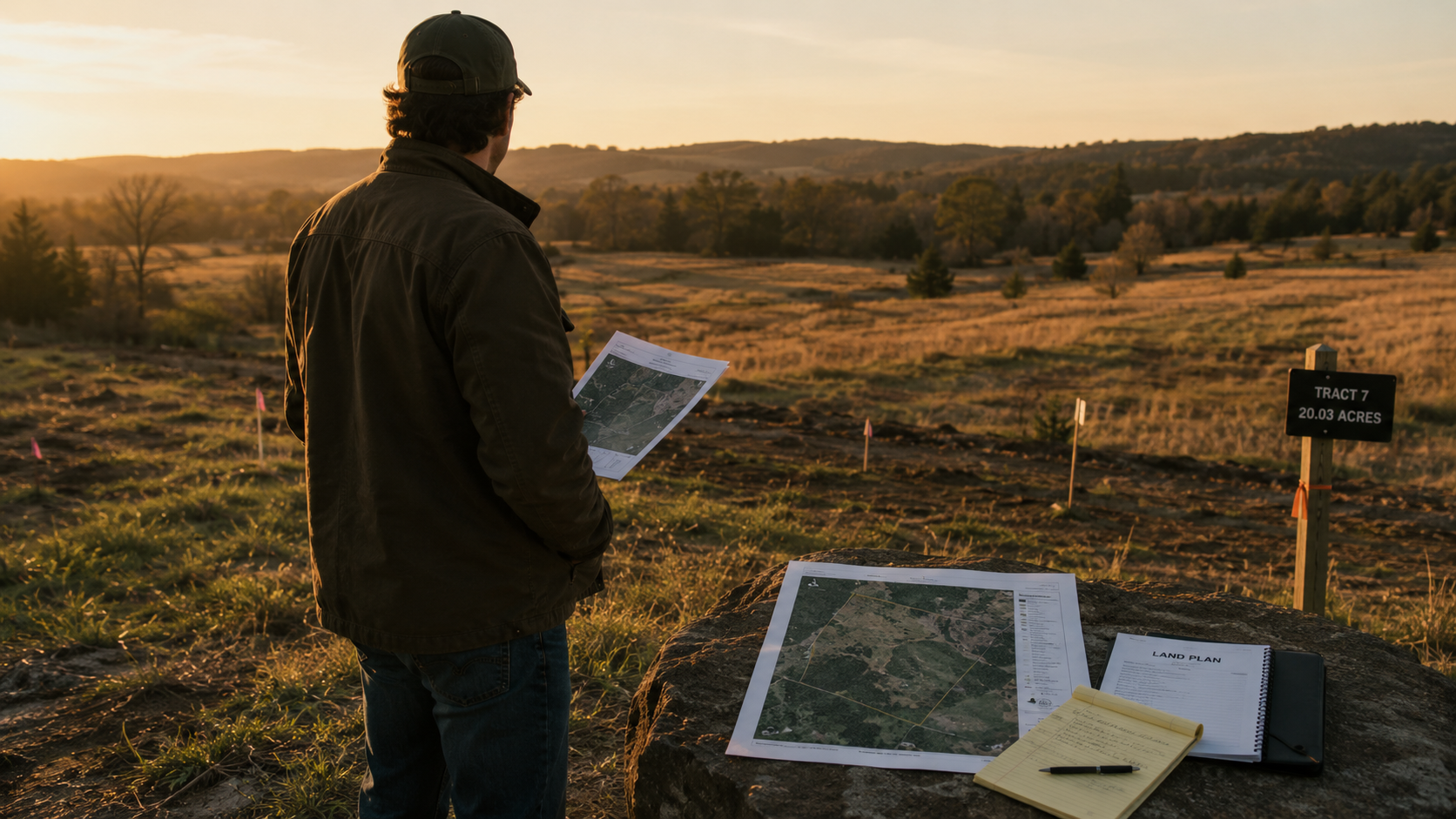
Start with the Right Land
Buy with clarity, avoid expensive mistakes, and choose land that fits your real plan.
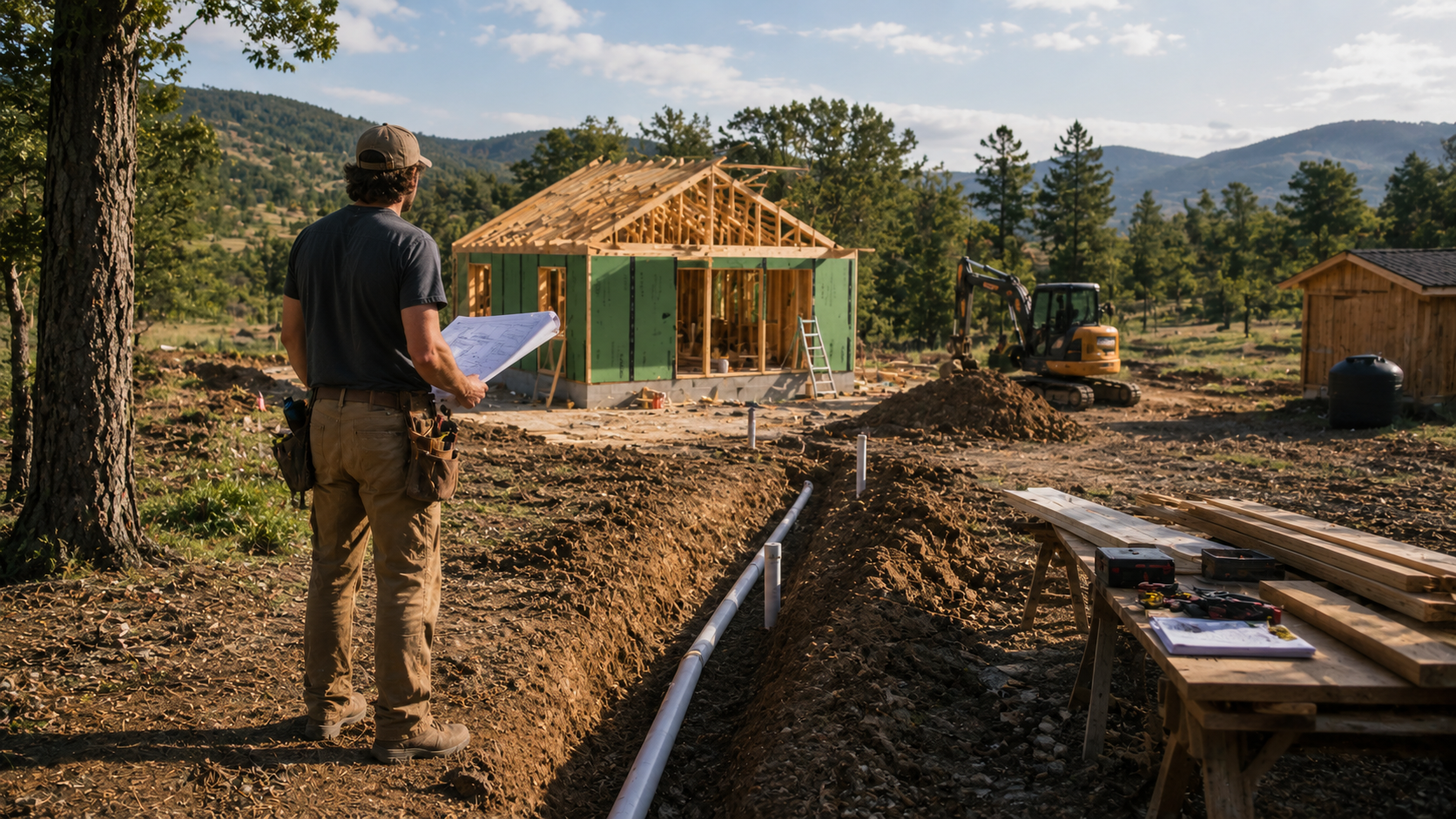
Build Smarter, Not Bigger
Plan a phased build that works early, stays legal, and avoids debt-heavy overbuilding.
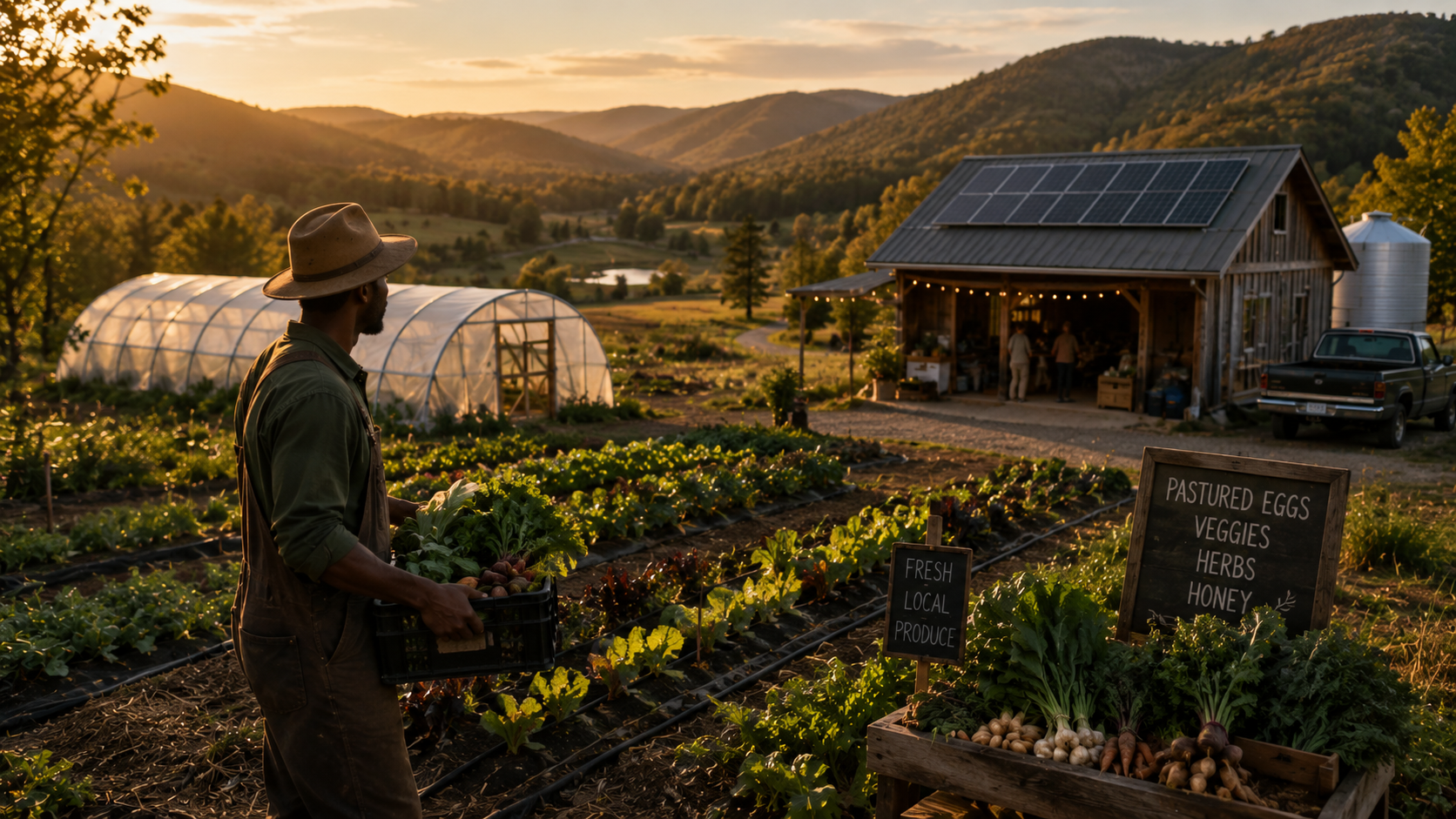
Turn Land into Income
Choose a realistic income model, set up the property correctly, and grow only after it proves itself.
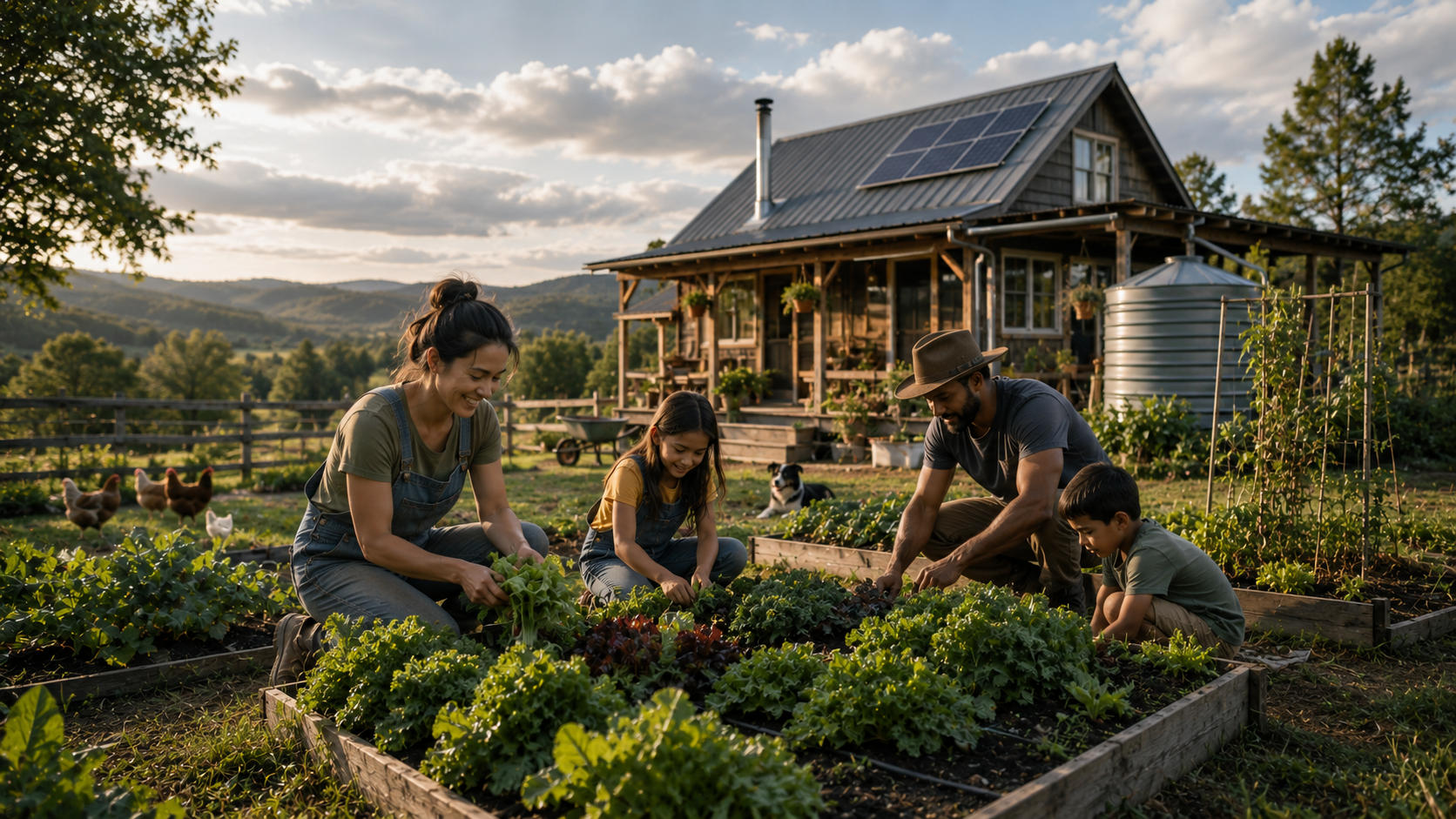
Create a Working Homestead
Build shelter, food, water, and useful daily systems in a practical order.
Live now
Articles

Sovereign Solar vs. Solar Farm
Sovereign solar is a landowner-scale system that makes a home, cabin, workshop, well, or small farm more resilient. A solar farm is an industrial or utility-scale land use that can change the surrounding area for decades. LandShop should help buyers understand both, but the freedom-first path is personal energy control, not automatically converting rural land into utility infrastructure.
Is a Data Center Being Built Near My Rural Land?
A nearby data center proposal does not automatically make rural land better or worse, but it can change the pressure around a parcel. Buyers should watch power corridors, substations, water plans, zoning changes, road upgrades, tax incentives, and whether neighboring land is being assembled. The point is awareness, not cheerleading for industrial buildout.
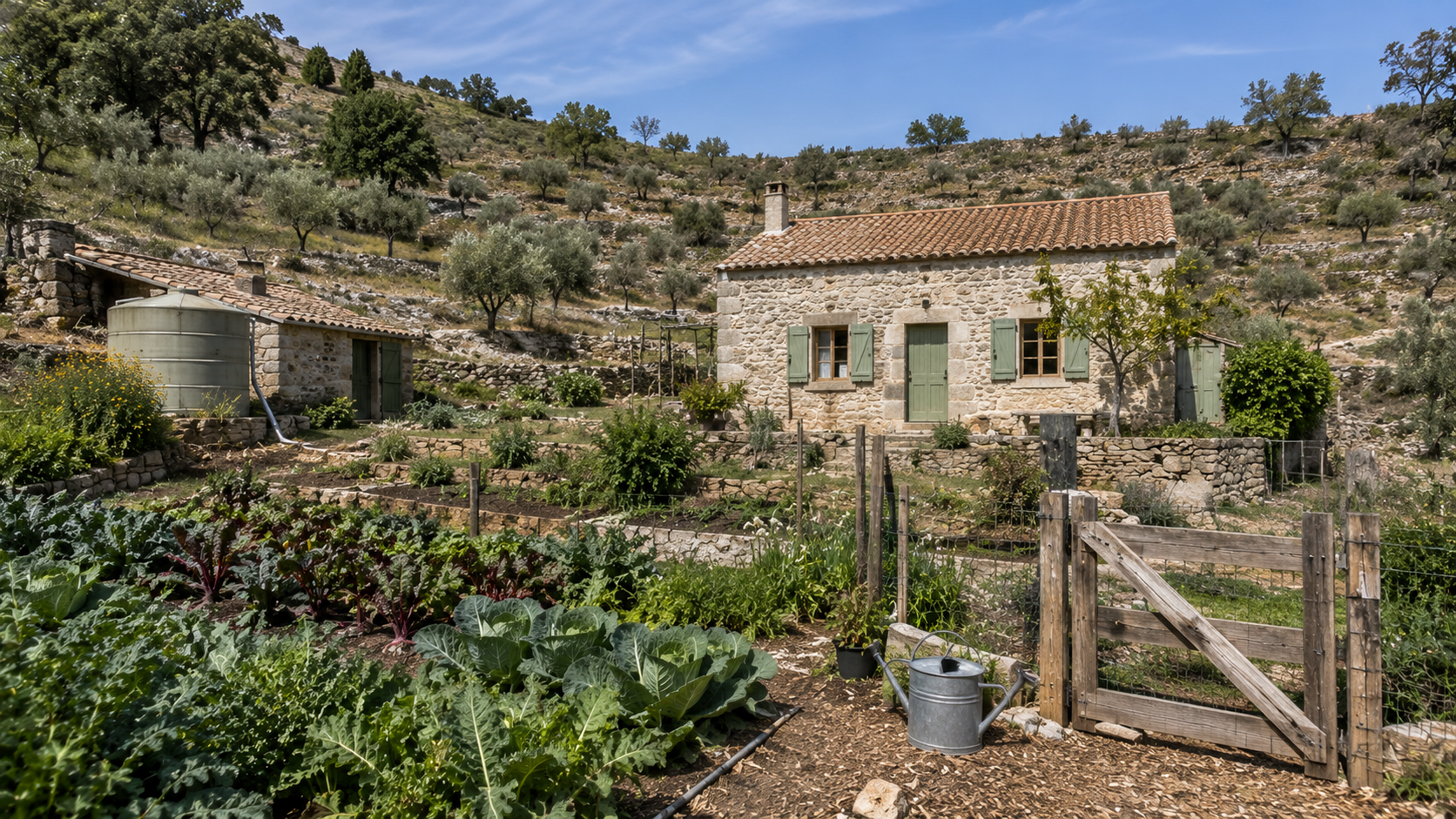
How Direct Food Sales Can Make Small Acreage Viable
Small acreage often struggles when it is forced to behave like commodity farmland. It becomes more viable when owners can sell food, pantry goods, or farm products directly into nearby demand and keep more of the final value. Direct sales do not magically solve everything, but they create one of the clearest on-ramps for turning modest land into a workable livelihood.
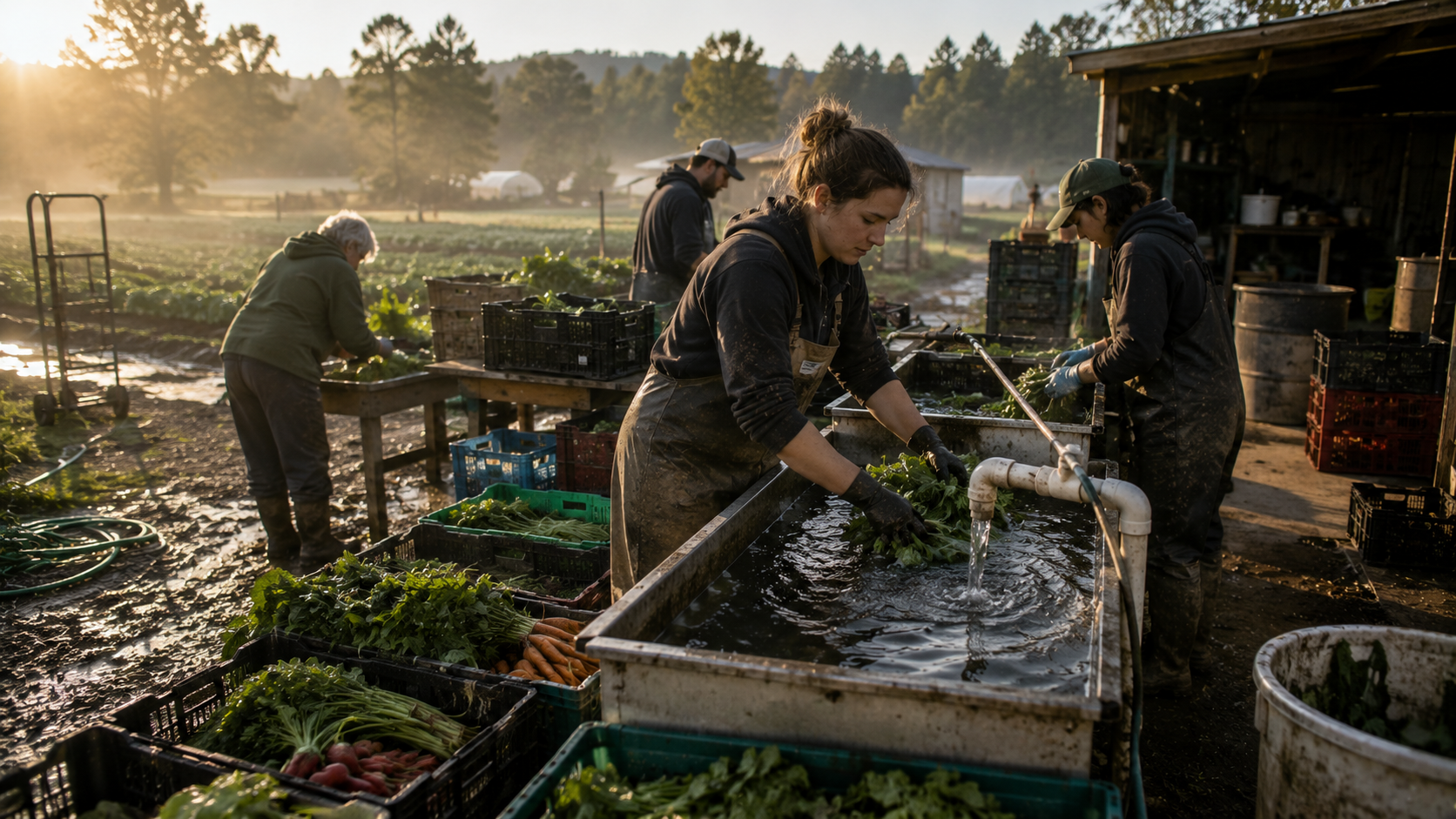
Why Local Processing Capacity Matters More Than People Think
Many communities do not mainly have a production shortage. They have a processing shortage. Small farms can often grow or raise food, but they still need kitchens, slaughter access, cold storage, packing space, and regional infrastructure that fits their scale. Without those middle layers, local food stays scarce, expensive, and fragile even when nearby land could produce much more.
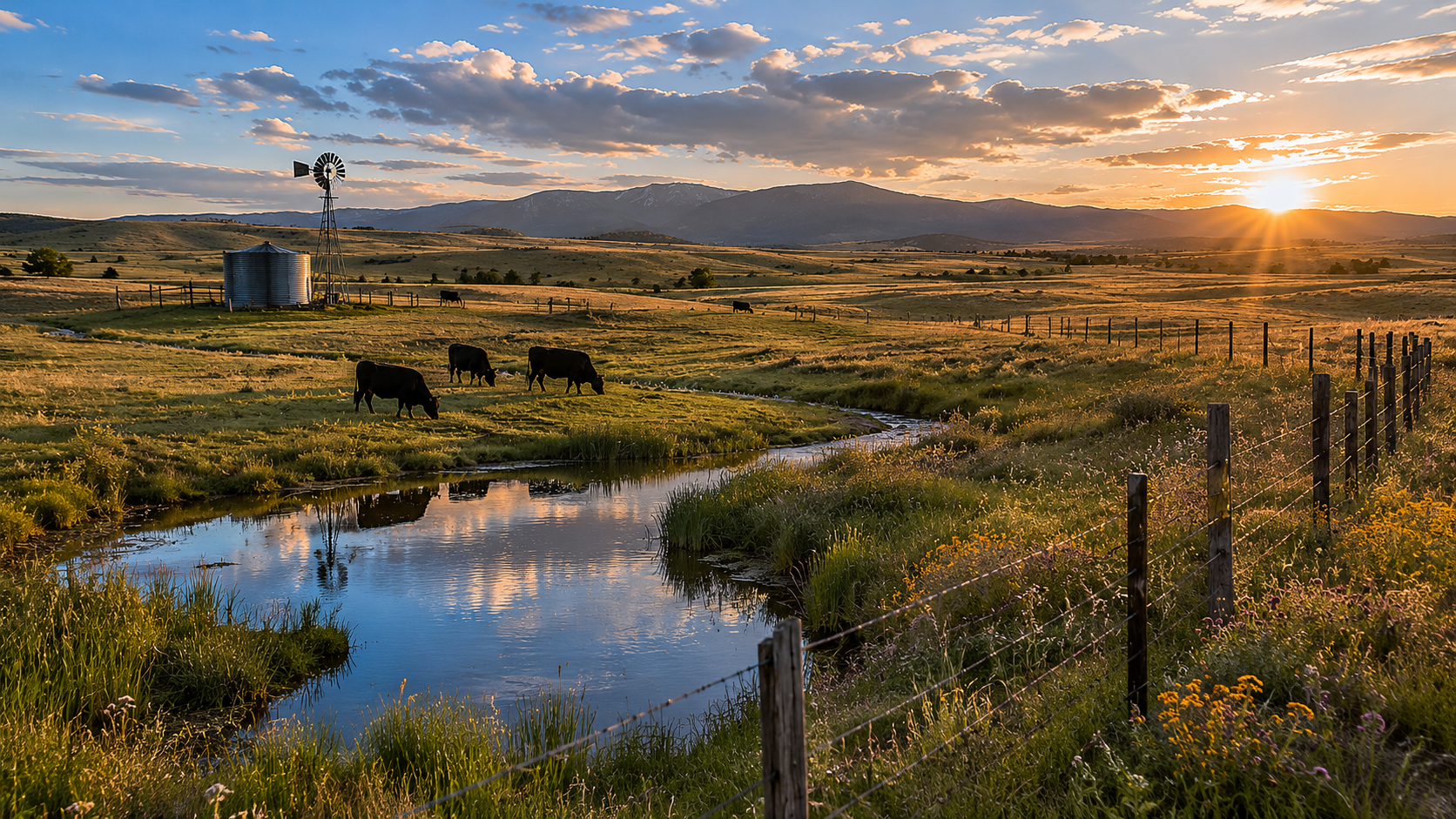
Food Freedom Is Not the Same as No Standards
Food freedom does not mean no one cares what is being sold. It means small local transactions should not automatically be forced into the same structure as industrial food distribution. The real question is not standards versus no standards. It is which standards fit a direct local system, which ones only make sense at industrial scale, and how to preserve accountability without killing small producers before they can serve their communities.
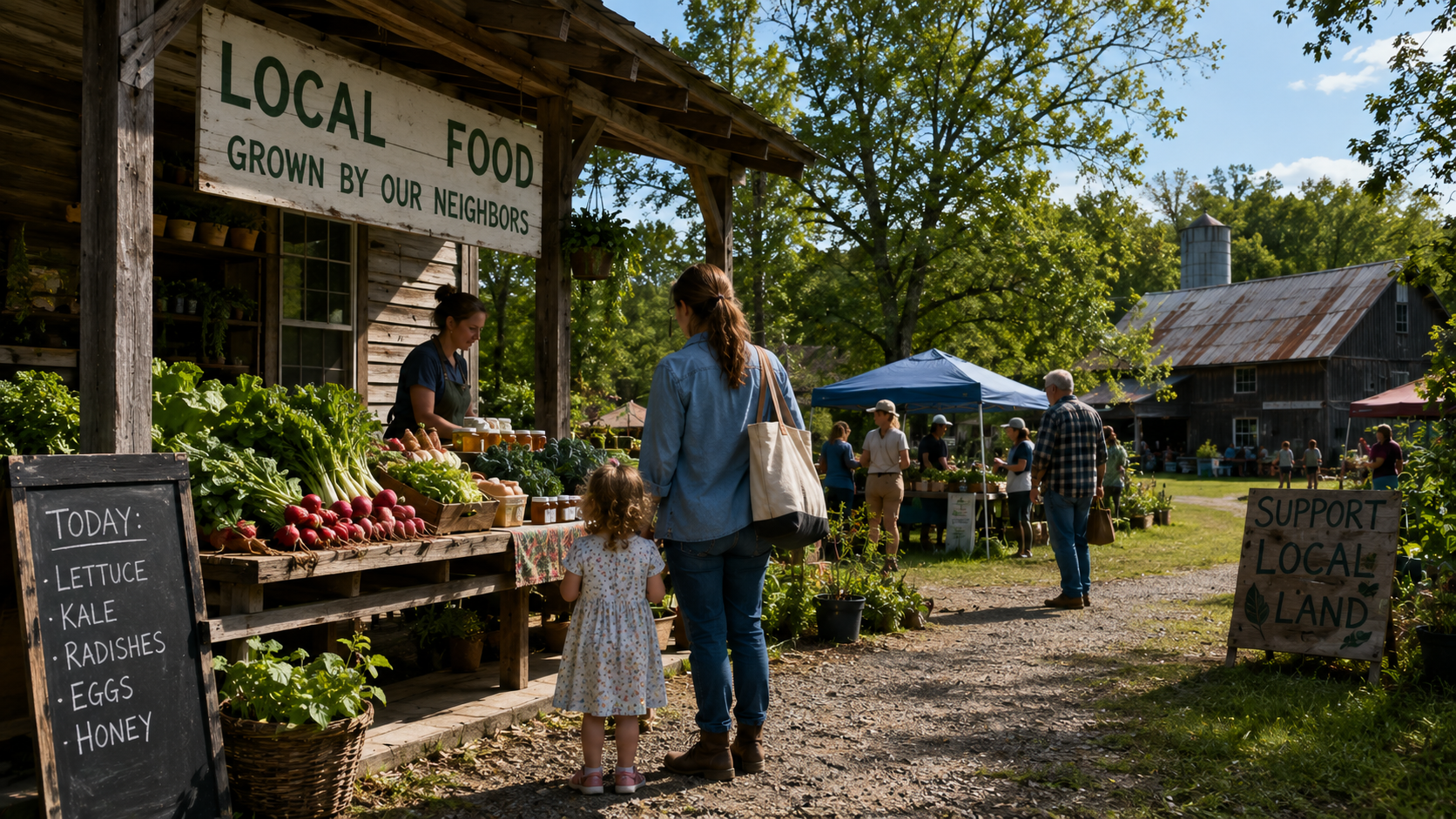
What You Can Do Now to Rebuild Local Food
Most people do not need to start a farm to strengthen local food. They need to do one real thing that makes direct food relationships more normal: buy from a nearby producer, grow one useful crop, preserve something, share a local source, or help a small farm become easier to find. Rebuilding local food is not only policy work. It is also habit work, relationship work, and small repeated action.
How Small Farms Lose Access to Retail Dollars
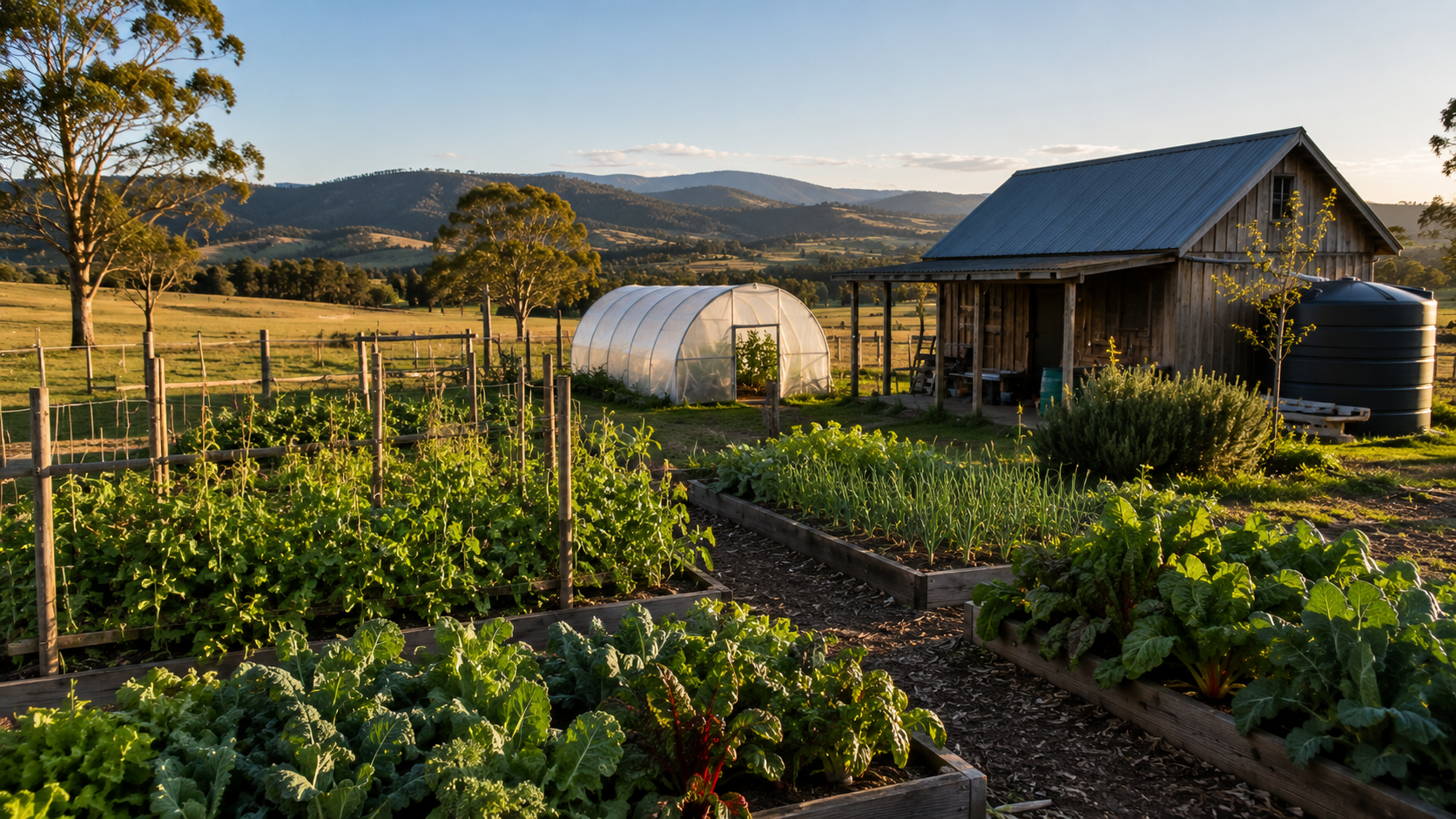
Small farms rarely fail because nobody wants their food. More often, they fail because the path between production and the retail dollar is crowded with infrastructure costs, processing bottlenecks, and rules that make small-scale selling uneconomical. If more farmers could keep more of the final sale price, more land-based food businesses would survive, and more communities would have stable local supply.
Why Local Food Needs More Freedom, Not More Distance
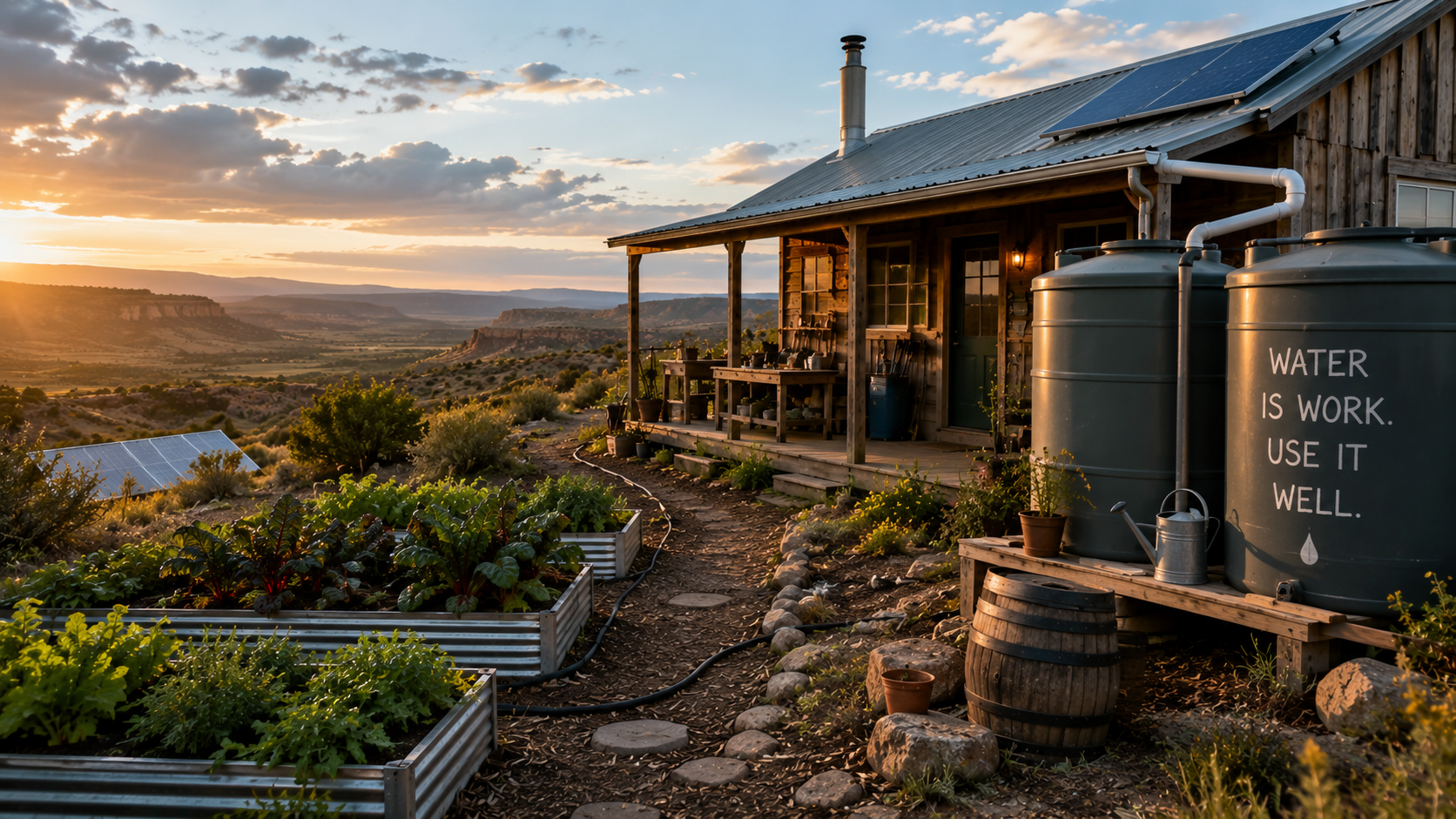
Many of the rules that shape small farm food sales were built around industrial facilities, long supply chains, and centralized processing. That makes it harder than it should be for a nearby farmer and a willing buyer to exchange food directly, even when local accountability is stronger and the food system is simpler. The practical LandShop point is not that safety does not matter. It is that food systems work better when small-scale local exchange is allowed to exist without being forced into industrial infrastructure.
Coming soon
Learn is almost ready.
We’re keeping the closed beta focused while this workspace gets its final polish. You can preview what’s coming, but actions are temporarily paused.