What You Can Do Now to Rebuild Local Food
Answer-first summary
Most people do not need to start a farm to strengthen local food. They need to do one real thing that makes direct food relationships more normal: buy from a nearby producer, grow one useful crop, preserve something, share a local source, or help a small farm become easier to find. Rebuilding local food is not only policy work. It is also habit work, relationship work, and small repeated action.
Most people do not need a grand plan to begin
When people start caring about food systems, they often jump straight to the biggest questions:
- How do we fix regulation?
- How do we stop consolidation?
- How do we make local food cheaper and more available?
Those questions matter.
But most people still need a practical starting point.
LandShop’s answer is simple: do one thing that strengthens a direct food relationship.
That might sound small, but small repeated actions are how local food becomes visible enough to matter.
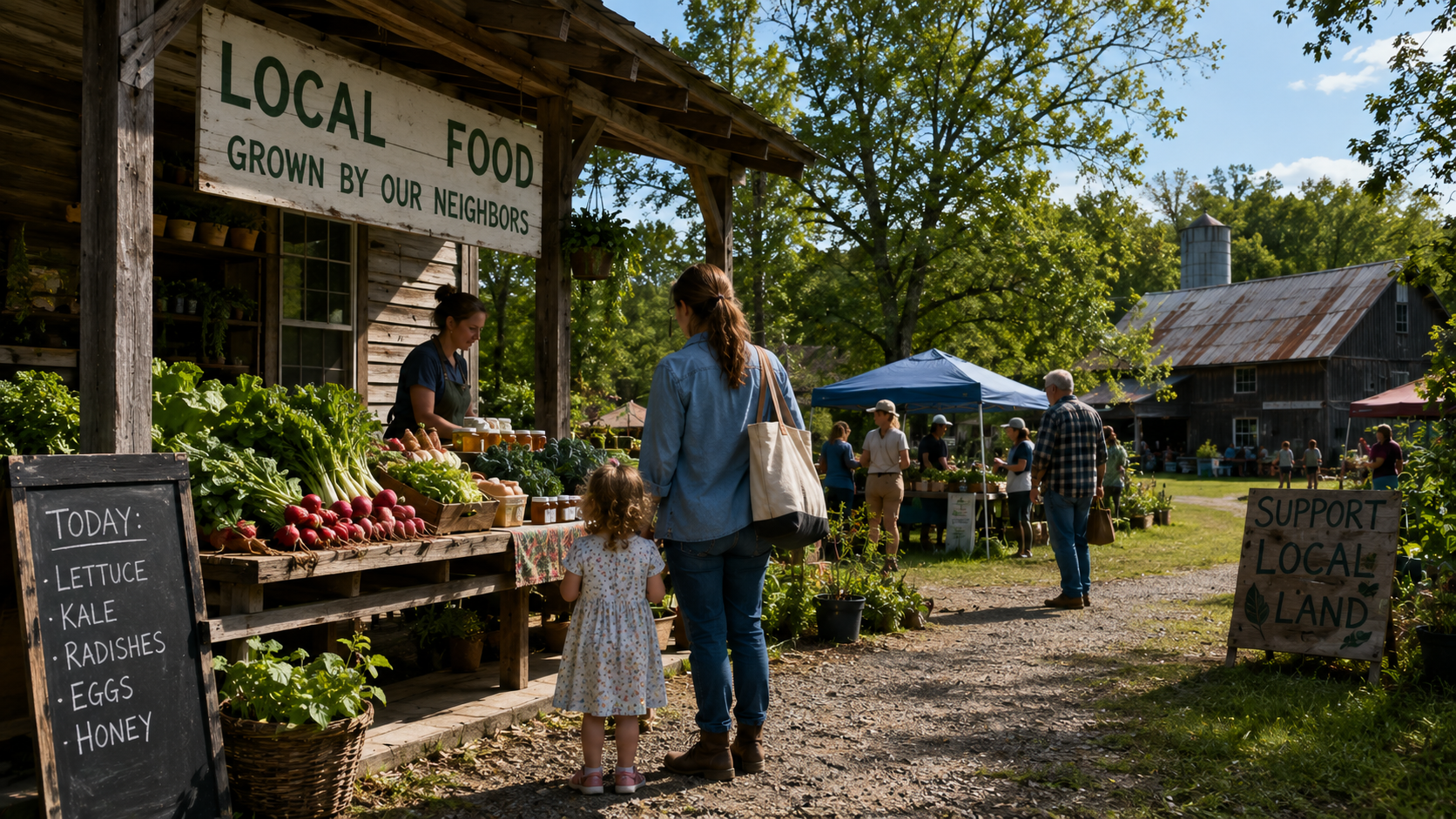
Start by buying one thing directly
You do not have to replace your entire grocery cart this week.
You can start by buying:
- eggs,
- honey,
- beef,
- produce,
- herbs,
- or one staple pantry item directly from a nearby farm or food producer.
The important part is not purity. It is building familiarity with a real local source.
Once people see how direct buying works, they usually become more willing to repeat it.
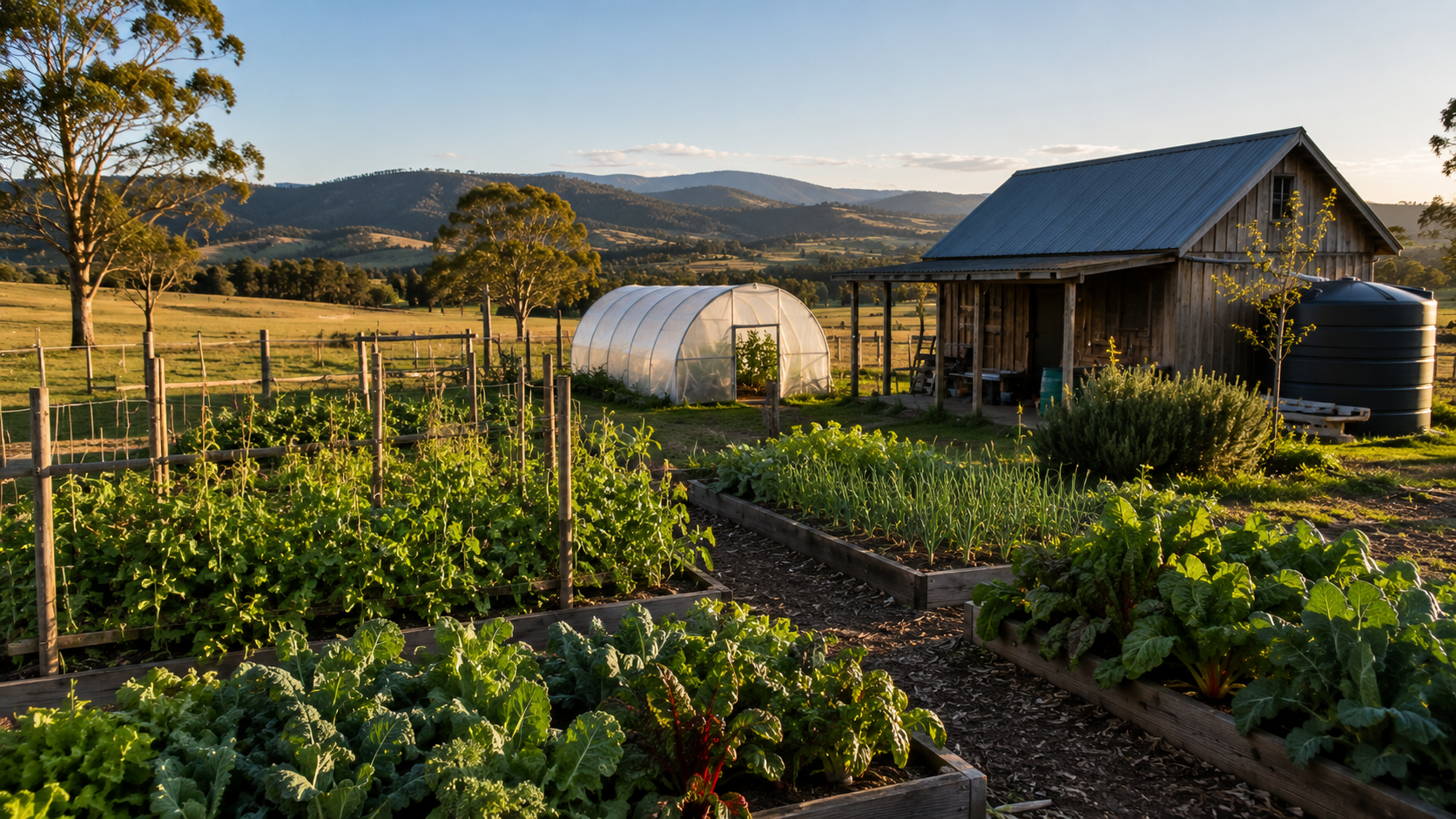
Grow one useful thing
A lot of people freeze up because they think the only meaningful version of food self-reliance is a full garden, a greenhouse, livestock, and a perfect preservation setup.
That is not true.
A single useful habit is enough to begin:
- grow herbs,
- keep a tomato patch,
- start a sourdough culture,
- plant greens,
- learn to preserve one seasonal crop,
- or support a neighborhood food garden.
The point is to reconnect food with skill instead of treating food as something that only arrives through packaging.
Learn one preservation method
Food systems become more durable when abundance can survive past harvest day.
That means learning one method that extends useful food:
- freezing,
- drying,
- fermenting,
- canning,
- curing,
- or cool-room storage.
You do not have to master all of them.
Learn one. Use it well. Repeat it next season.
That is how food confidence builds.
Make good local sources easier to find
This is where LandShop should matter.
A big part of the local-food problem is not that no one produces anything. It is that people do not know where to look, who is dependable, or what a real local listing should tell them.
That means you can help by:
- sharing reliable local sources,
- supporting local food directories,
- leaving useful reviews,
- sending buyers to real producers instead of random social posts,
- and helping good sellers become easier to discover.
This is especially important for products people search for naturally:
- eggs,
- honey,
- produce,
- beef,
- seeds,
- hay,
- and small-farm pantry goods.
Visit the places that still hold the relationship together
A lot of local-food systems survive through simple community infrastructure:
- farmers markets,
- curb markets,
- farm stands,
- local pickup routes,
- neighborhood buying clubs,
- and farm-direct subscriptions.
If those places disappear, people lose more than convenience. They lose one of the easiest entry points into a more local food culture.
Showing up matters.
Buying matters.
Becoming a repeat customer matters.
Support young and small operators, not just established brands
If local food is going to rebuild, it needs on-ramps.
That means buyers should not only support the most polished producer. They should also support the small operator who is:
- still growing,
- still learning,
- and still trying to build a dependable local offering.
That does not mean ignoring quality.
It means recognizing that resilient food systems need more participants, not just a few established names.
Use your land, however small, as a food surface
If you have:
- a backyard,
- a side yard,
- a porch,
- a balcony,
- a rural lot,
- or a larger homestead,
then you have at least some food surface.
That space may not feed your whole household. But it can still teach useful skills, lower dependence, and make you a more informed buyer.
LandShop should keep reinforcing this point: useful land starts with useful use.
Practical takeaway
If you want better food systems, do not wait until you can solve the whole system.
Buy one thing direct. Grow one thing. Preserve one thing. Share one real source. Help one local producer become easier to find.
That is how people move from abstract frustration into practical food culture.
And that is how better land use turns into better community supply over time.
Related reading
FAQ
What is the easiest way to support local food right away?
Start by buying one useful product directly from a nearby producer and make it a repeat relationship instead of a one-time novelty purchase.
Do I need land to participate in this?
No. You can buy direct, preserve seasonal food, share good local sources, or grow one useful thing in a very small space.
Why does discovery matter so much?
Because many local producers exist, but buyers often cannot find them reliably. Better search, clearer listings, and repeatable logistics make local food much more usable.
More questions in this topic
Ask LandShop
Need help applying this to a real parcel?
Bring your actual land, financing, tax, zoning, or build question into the LandShop community and pressure-test the plan before you commit.