How to Buy Land on a Tight Budget
Answer-first summary
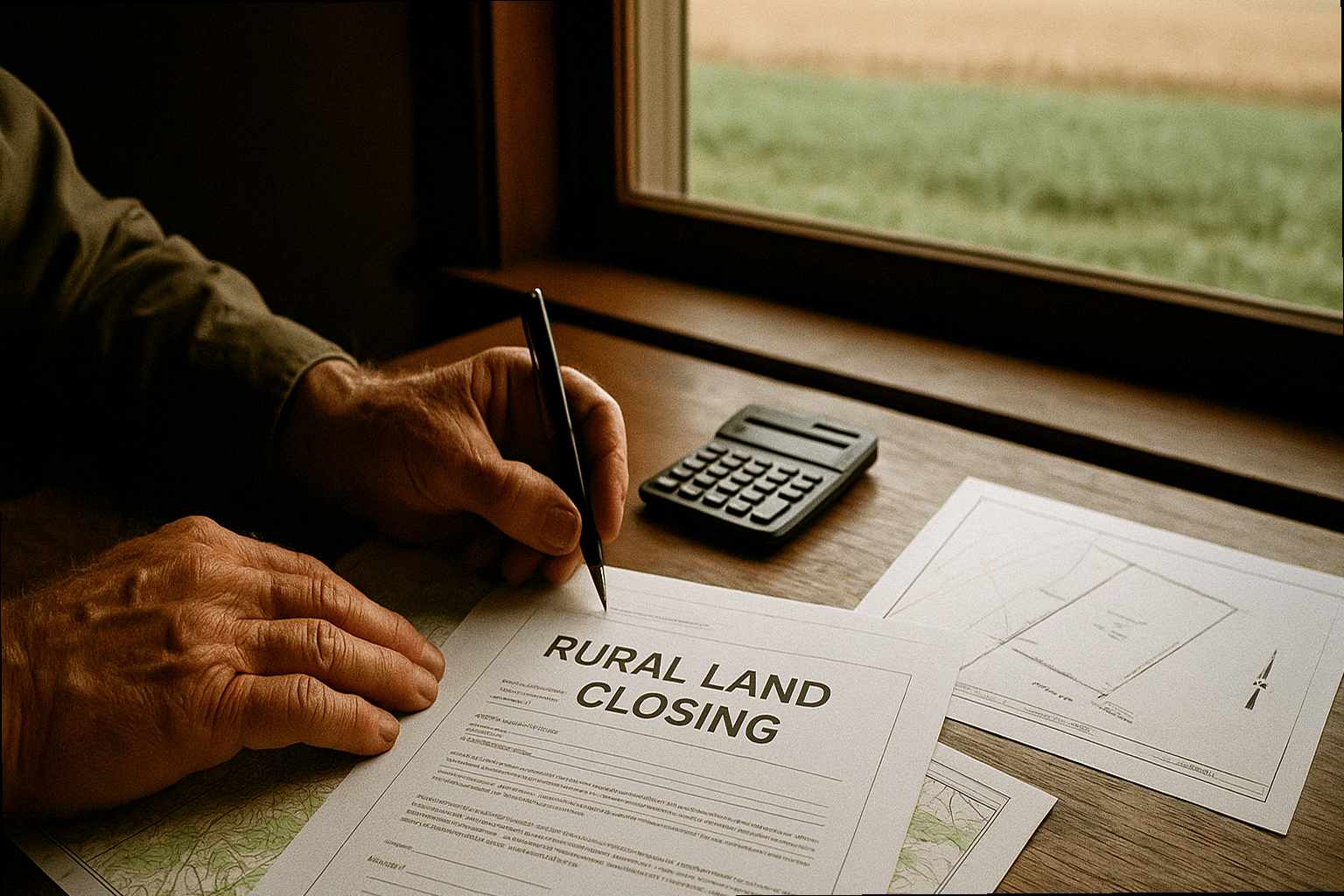
Buying land with limited cash is possible, but it usually requires a different approach than buying a turnkey property. The strongest path is to lower the upfront burden by choosing usable but imperfect land, matching the parcel to a phased plan, and using financing tools such as seller financing or qualified USDA farm loan programs when they fit. The goal is not to force a dream purchase too early. It is to get into ownership without buying land you cannot realistically hold.
Start with the land you can actually carry
The biggest mistake budget land buyers make is trying to buy the finished version all at once. They shop for the perfect acreage, the perfect house site, the perfect utilities, and the perfect future all in one deal. That usually makes the land too expensive before the first shovel hits the ground.
The better approach is simpler:
Buy land you can actually carry.
That means the purchase price, closing costs, taxes, access improvements, and first-phase setup all need to fit your real cash flow, not the version of your finances you hope to have later.
Lower the price by changing the parcel, not just the financing
Many buyers focus only on the loan. But often the biggest savings come from changing the kind of land you target.
Land gets cheaper when it is:
- smaller but still usable,
- steeper or less visually perfect,
- farther from the hottest markets,
- lacking some infrastructure today,
- or better suited to phased use than immediate full build-out.
That is not a compromise if the parcel still works for your actual goal. A modest property with legal access, usable ground, and room to improve can be a better ownership move than a “better” parcel that forces you into a fragile budget.
Know the main low-capital entry paths
There is no single cheap-land formula, but there are a few common paths that help buyers bridge the gap.
1. Owner financing
Seller financing can lower the entry barrier because the seller, not a bank, provides the financing. That often means more flexible underwriting than a conventional lender, especially for rural or raw land. But flexibility is not safety. You still need to verify the note, title path, default terms, and whether the structure is a true owner-finance deal or a more fragile contract setup.
2. USDA farm loan programs
If the property is truly part of a farm or planned agricultural use, USDA Farm Service Agency programs may be relevant. FSA says its farm ownership loans can be used to buy or enlarge a farm, build or improve farm structures, or improve soil and water conservation. USDA also highlights special support for beginning farmers and ranchers, including down-payment and direct ownership options in qualifying situations.
3. Phased use
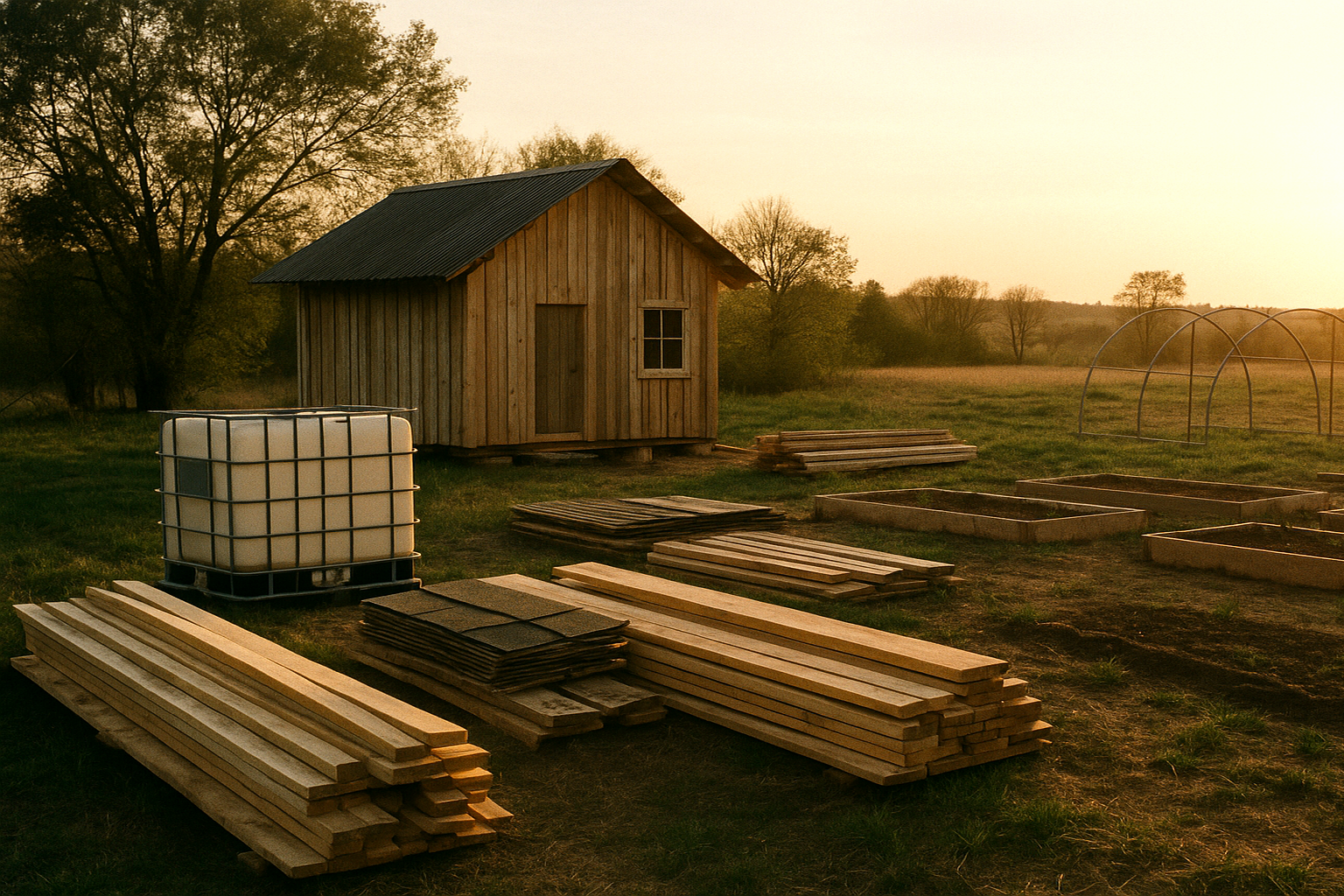
Sometimes the cheapest way to buy land is not a special loan. It is a phased plan. Instead of trying to finance the full dream immediately, you buy the land, secure the basics, and improve it over time. That is often more stable than borrowing against a full buildout before you have actually lived on or worked the property.
Buying with little money means being stricter, not looser
Budget buyers often feel pressure to “just get in” and figure it out later. That is exactly when due diligence matters most.
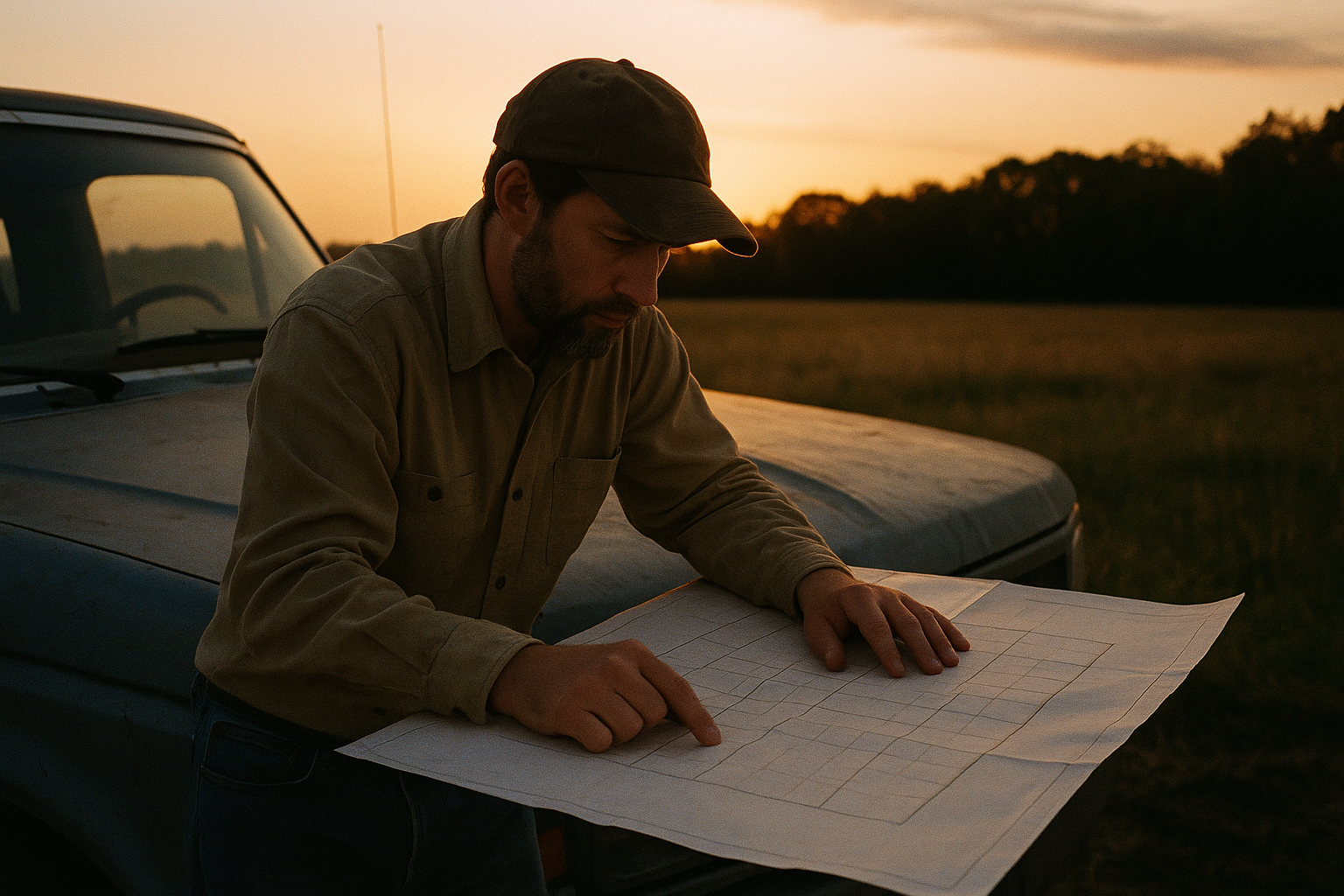
Before you buy, verify:
- Legal access
- Zoning and intended use
- Water source or well feasibility
- Septic or soil limitations
- Carrying costs after closing
- Whether the land works in phase one, not just phase five
Land that is cheap because it is hard is not automatically bad. Land that is cheap because it does not actually work for your goal is.
Use the due diligence checklist and the land loan guide before you treat low price as a win.
Small money buyers should think in phases
A practical low-capital sequence often looks like this:
- Buy the parcel.
- Secure access and basic site usability.
- Add the most essential storage, shelter, or utilities first.
- Let the land teach you what phase two should be.
- Expand only after the first layer is stable.
That keeps the early ownership decision tied to reality. It also makes it easier to stop at a size and cost you can sustain instead of escalating into a project that owns you.
What to avoid
If you are trying to buy land with limited money, watch for these traps:
- a low monthly payment paired with a weak contract,
- land that requires immediate major infrastructure just to be usable,
- unrealistic assumptions about quick resale,
- and any purchase where you still do not understand access, title, or land-use restrictions.
Buying cheaper land only helps if you can keep it.
Ownership first
The right goal is not to buy the most land possible. It is to buy the smallest amount of workable land that gives you a real start.
That could mean a rural homesite, a small off-grid parcel, a market-garden candidate, or a future owner-financed lot that becomes something larger later. The path does not need to start big to become meaningful.
Want help comparing financing paths, owner-finance terms, or parcels that might work in phases? Sign up for LandShop and ask questions in the community. You can pressure-test deals, compare land strategies, and get practical feedback before you commit.
Sources and further reading
FAQ
What is the cheapest realistic way to buy land?
Usually it is not one trick. It is a mix of buying a more modest parcel, using phased improvements, and matching the deal to financing that fits the property and your actual budget.
Can owner financing help if I have limited cash?
Yes, but only if the terms are clear and the contract is strong. Lower barriers do not remove the need to verify title, payoff terms, default rules, and the total cost of the deal.
Are USDA programs relevant for land buyers?
They can be, especially for qualifying agricultural purchases or beginning farmers. Buyers should review FSA ownership and down-payment options early instead of assuming only conventional lending exists.
More questions in this topic
Related links
Ask LandShop
Need help applying this to a real parcel?
Bring your actual land, financing, tax, zoning, or build question into the LandShop community and pressure-test the plan before you commit.