How Direct Food Sales Can Make Small Acreage Viable
Answer-first summary
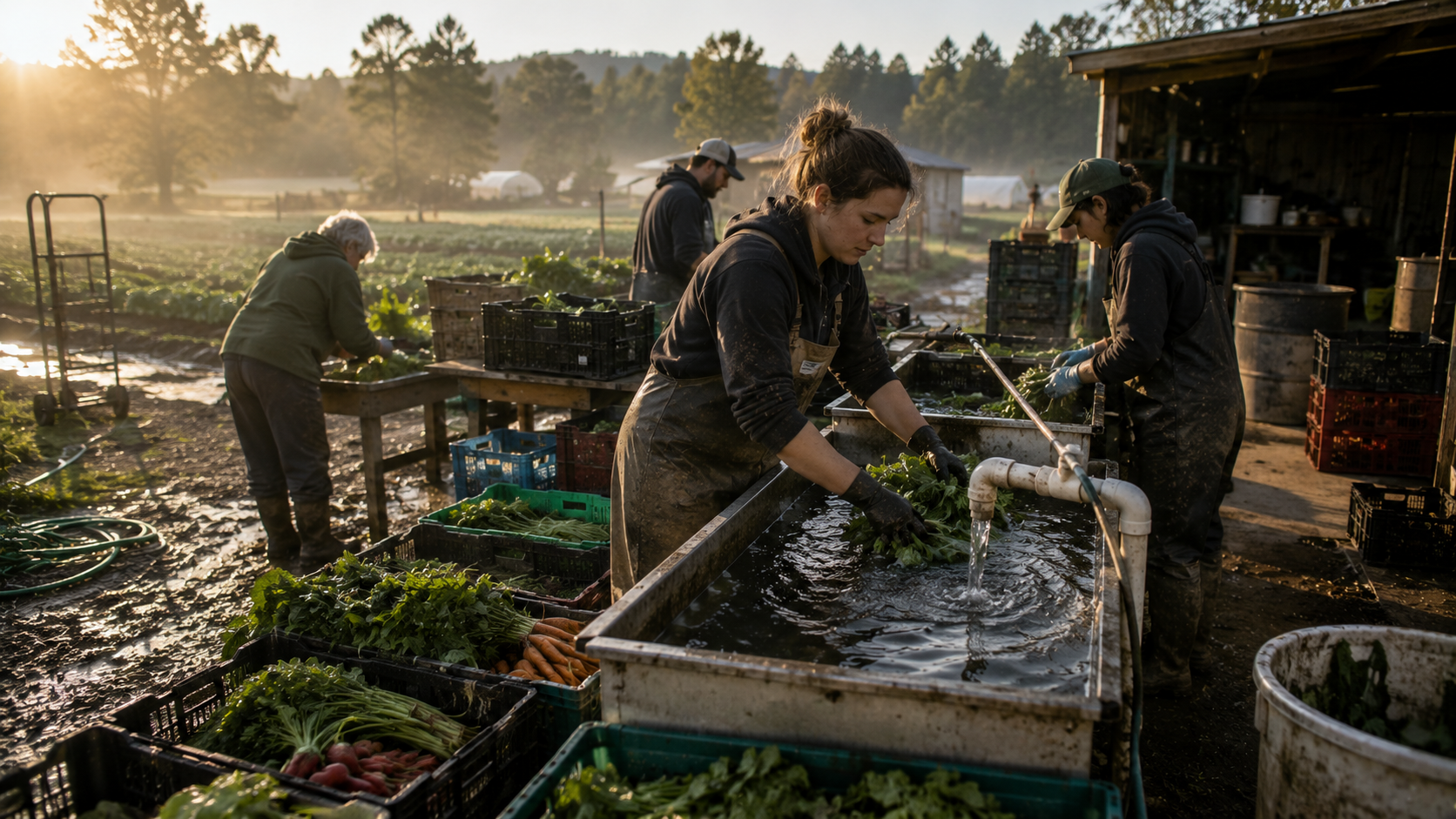
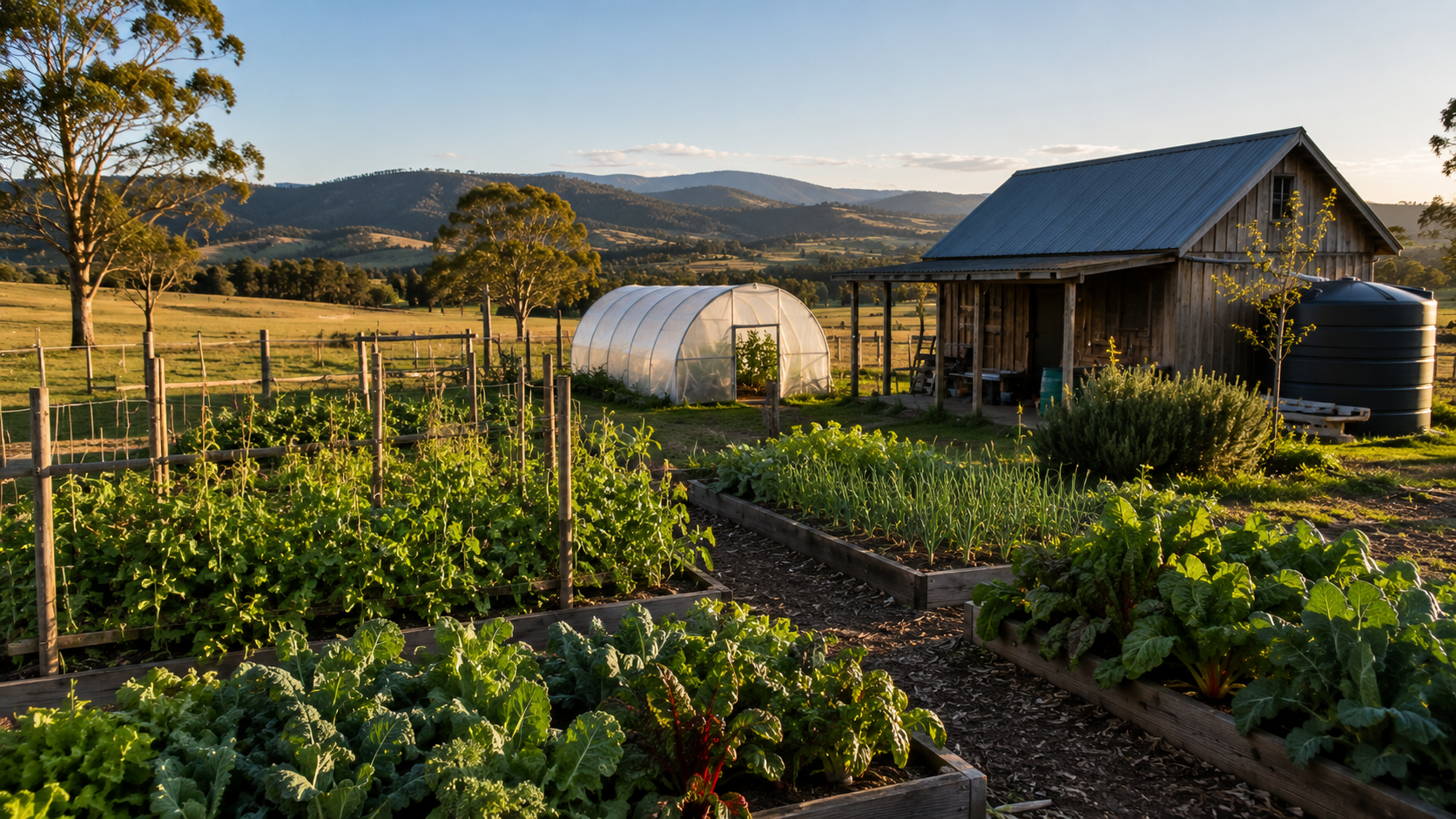
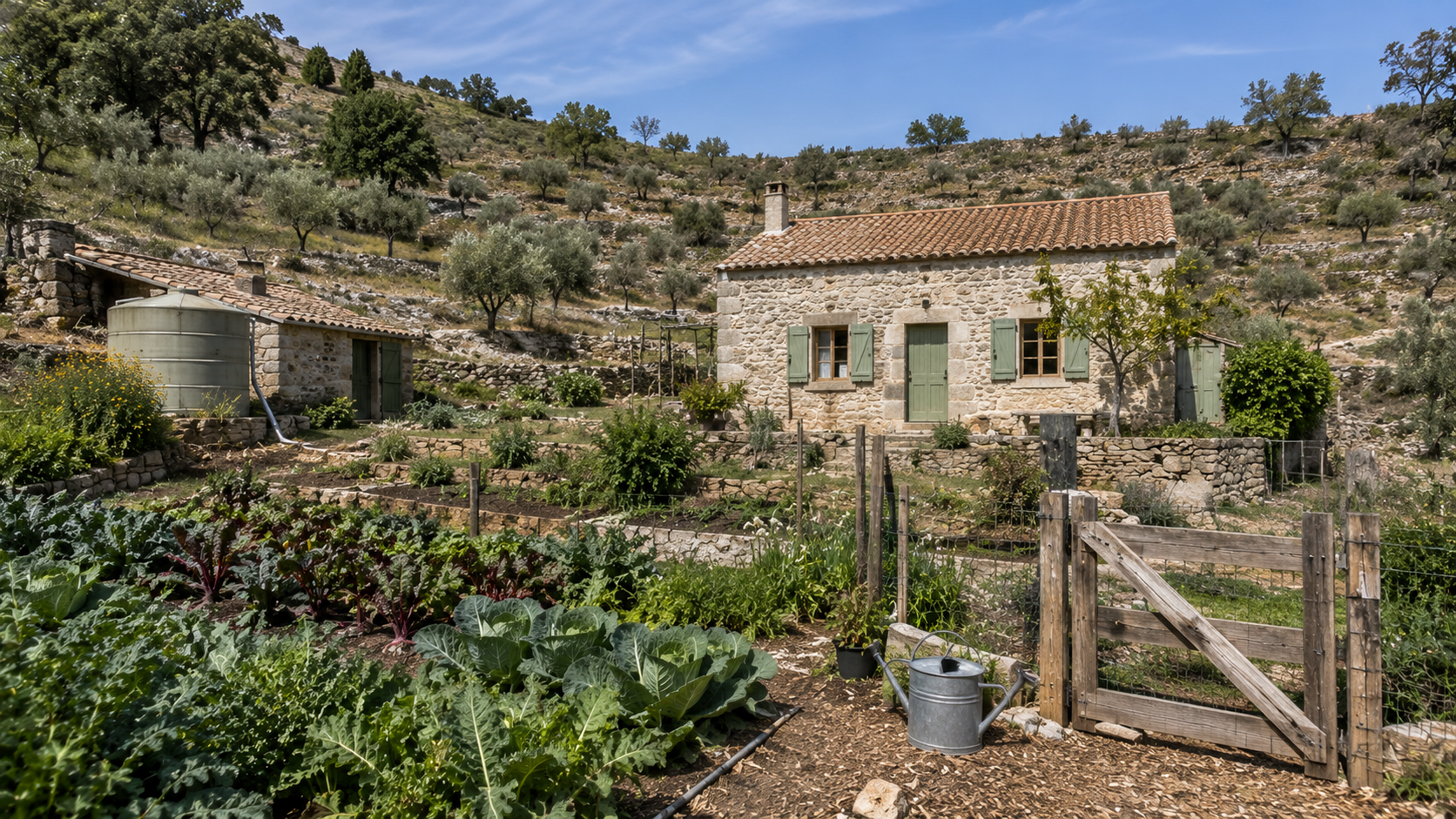
Small acreage often struggles when it is forced to behave like commodity farmland. It becomes more viable when owners can sell food, pantry goods, or farm products directly into nearby demand and keep more of the final value. Direct sales do not magically solve everything, but they create one of the clearest on-ramps for turning modest land into a workable livelihood.
Small acreage needs the right economic model
People often ask whether five acres, three acres, or even one acre can be economically useful.
The answer depends less on acreage alone and more on what kind of business model sits on top of it.
If small acreage is forced into commodity logic, it usually struggles.
If that same acreage can serve nearby buyers directly, the picture changes.
That is one reason direct food sales matter so much. They give modest land a path to value that does not depend on industrial scale.
Volume is not the only way land becomes viable
Large farms often depend on volume, machinery, and broad distribution.
Small acreages usually need something else:
- specialty products,
- direct customer relationships,
- higher retained margin,
- and operational simplicity that fits the land.
That does not mean every small acreage becomes a full-time farm business.
It means the land has a better chance of carrying:
- part of a household income,
- a starter farm,
- a side business,
- or a gradual transition into something more substantial.
Direct sales keep more of the value close to the land
When producers can sell directly, they are more likely to keep:
- customer relationships,
- product story,
- pricing control,
- and a larger share of the final sale.
That matters because modest acreage does not have much room for wasted margin.
If too much value leaves through intermediaries, transport, processing, and distribution layers, the land may produce plenty but still not support the operator.
Direct sales help correct that.
What kinds of products fit small acreage best
The strongest small-acreage models are usually not random.
They tend to focus on products that:
- are wanted locally,
- can be handled with a small team,
- do not require huge acreage,
- and can be repeated with quality.
That may include:
- eggs,
- vegetables,
- herbs,
- flowers,
- broilers,
- honey,
- freezer meat shares,
- or value-added goods where legal and practical.
The exact product mix will vary. The common pattern is that the land works better when the product and the market are close together.
Viability also depends on discoverability
This is where LandShop should keep pushing harder.
Direct food sales only help if buyers can actually find the producer.
That means:
- better local search,
- clearer listings,
- repeatable pickup logistics,
- practical descriptions,
- and less dependence on scattered social posts.
A lot of good small-acreage producers do not fail because their product is weak. They fail because discovery is weak.
Small acreage gets stronger when it stacks uses
Some of the best modest-land models combine several compatible functions:
- household food,
- direct sales,
- simple agritourism,
- seedlings,
- pantry goods,
- workshops,
- or seasonal local products.
Not every parcel should do all of that.
But stacking uses is often what makes small acreage durable. Land that supports only one thin revenue stream is more fragile than land that supports a few simple, well-matched ones.
Practical takeaway
Small acreage becomes viable when it is allowed to work like small acreage.
That means direct demand, retained margin, discoverability, and products that fit the scale of the land.
The goal is not to imitate a commodity farm badly. It is to build a local food model that lets modest land stay economically useful.
Related reading
FAQ
Why is direct selling important for small acreage?
Because modest acreage often cannot survive on commodity volume alone. Direct sales help the owner keep more of the final margin and customer relationship.
Does direct selling make any small acreage profitable?
No. The product still has to fit the land, local demand, labor, and available infrastructure. But direct selling gives small land a much better chance than wholesale commodity logic usually does.
What is one of the biggest hidden problems for small-acreage food businesses?
Discovery. Buyers often cannot find dependable local producers easily enough, so good small-acreage supply stays invisible when it should be repeatable.
More questions in this topic
Related links
Ask LandShop
Need help applying this to a real parcel?
Bring your actual land, financing, tax, zoning, or build question into the LandShop community and pressure-test the plan before you commit.