Why Local Food Starts With Local Land
Answer-first summary
When people lose trust in the food system, the practical answer is not panic. It is proximity. The closer you can get to the source of your food, the more visibility you have into how it is grown, handled, and sold. That is why local farms, farmers markets, CSAs, food hubs, and small food-producing properties matter. They shorten the chain between land and eater, and they create more room for ownership, transparency, and community-level resilience.
Why food trust keeps pushing people closer to the source
When consumers hear about additives, pesticide disputes, or conflicts between regulators and industry, the first reaction is often confusion. Most people do not have the time or expertise to investigate every ingredient, every input, or every policy fight.
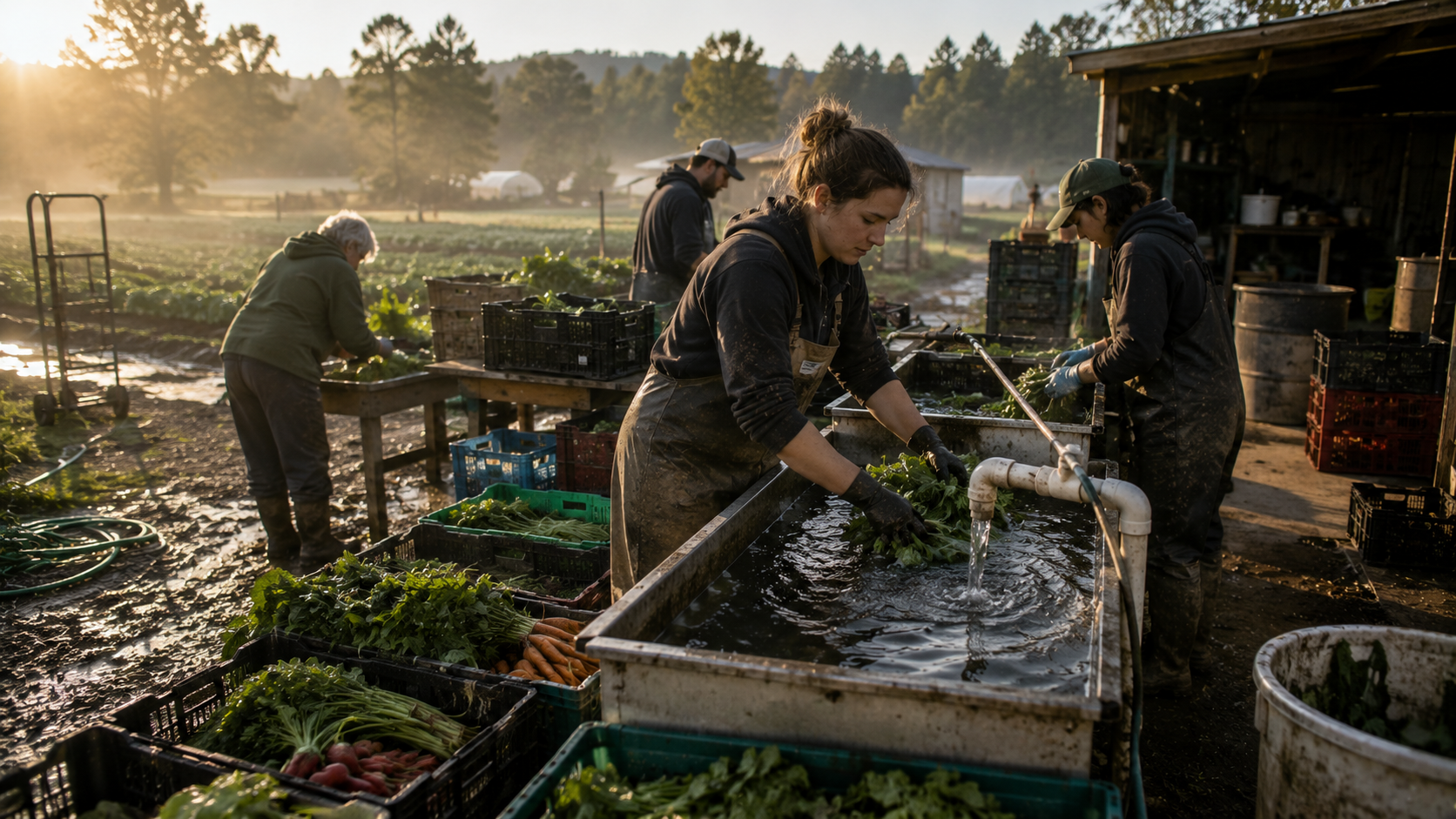
That is why local food systems matter. They do not solve every problem, but they make the chain shorter and clearer. Instead of relying entirely on distant institutions and long supply networks, buyers can often talk directly to the people growing, raising, or preparing the food.
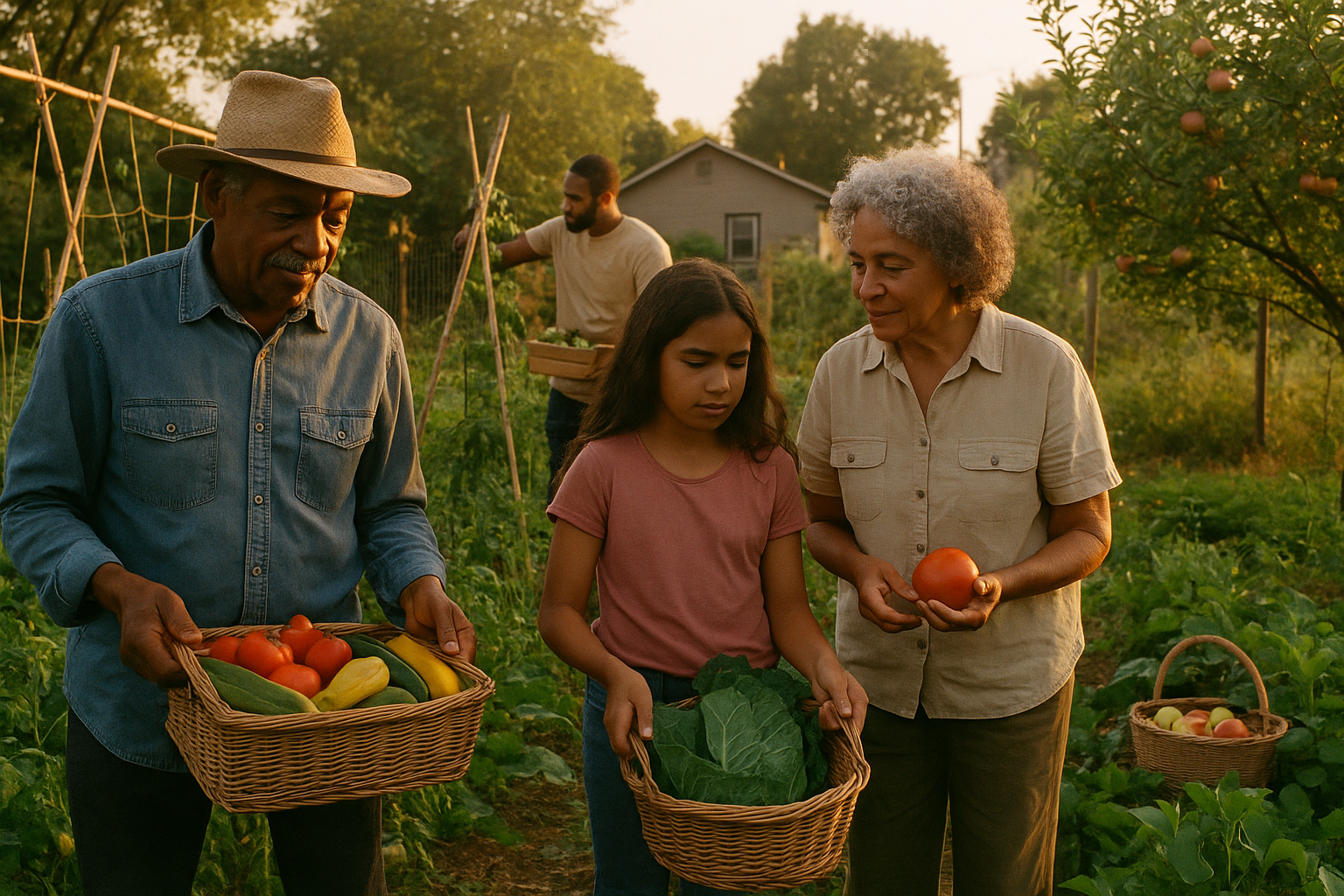
That shift matters because agriculture in the United States is still rooted in real households and real land. The USDA’s 2022 Census of Agriculture reports that family farms make up 95% of U.S. farms, even though production is still highly concentrated in larger operations.
Local food is already a real market, not a niche fantasy
Buying closer to the source is not just a lifestyle idea. It is already a meaningful part of the food economy.
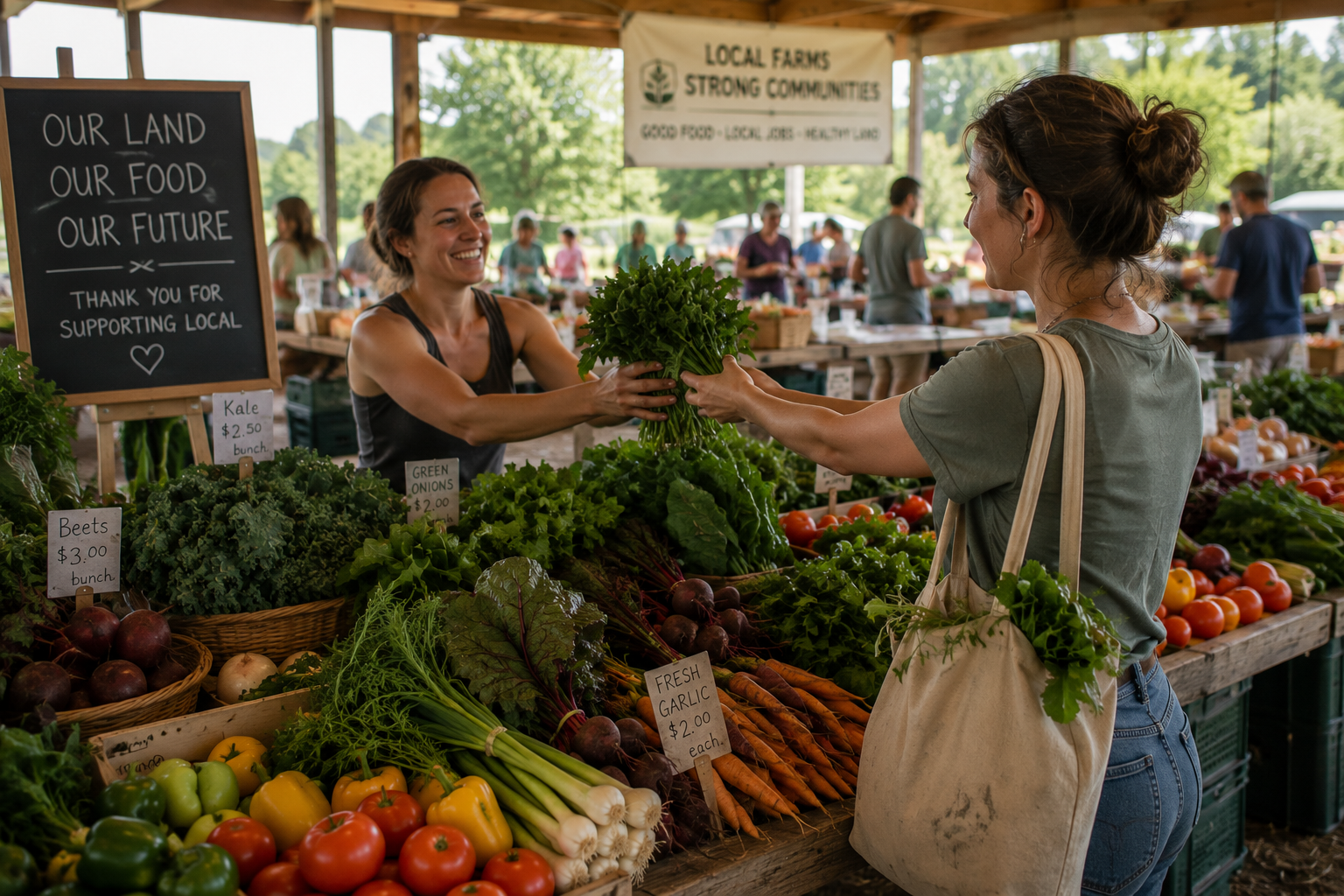
USDA’s 2020 Local Food Marketing Practices Survey found that farmers produced and sold about $9 billion of local food directly to consumers, retailers, institutions, and intermediaries. Of that, direct-to-consumer sales accounted for $2.9 billion, and on-farm stores plus farmers markets accounted for about $1.7 billion.
That tells you something important: people are already using shorter food chains when they can.
USDA’s Agricultural Marketing Service also maintains a national directory with more than 8,600 farmers markets along with CSAs, food hubs, and on-farm markets. The infrastructure for more direct buying already exists. In many places, the issue is not whether local food is possible. It is whether buyers choose to use it and whether local producers can stay on the land long enough to keep supplying it.
Shorter food chains can give farmers more of the value
One reason direct relationships matter is that the modern food dollar gets divided many times before it reaches the farm.
USDA’s Economic Research Service says the farm share of a U.S. food dollar was 11.8 cents in 2024. That means most of what consumers spend on food goes to processing, transportation, retail, food service, and other post-farm activities.
That is not automatically bad; those services are real. But it does explain why many people feel disconnected from both the land and the grower. It also explains why direct sales, farm stands, markets, and community-supported agriculture can matter so much to small and midsize producers. A shorter chain can mean more visibility for the buyer and a better share of the final price for the producer.
This all comes back to land and ownership
LandShop’s angle on food is simple: if you care about what you eat, you should care about the land and ownership structures behind it.
Food does not start in a grocery aisle. It starts on land. And whoever controls that land shapes what gets grown, how it is grown, how close it stays to the community, and whether buyers can build any direct relationship with the producer at all.
That is why this conversation naturally expands beyond “where should I shop?”
It becomes:
- Who owns the land producing this food?
- Can local growers stay in business here?
- Are there markets, food hubs, and direct-sale outlets nearby?
- Could this community support more peer-to-peer food exchange?
- If I want more control, could I eventually own land that produces food too?
You do not need a farm to participate
Not everyone needs to buy acreage tomorrow. There are practical ways to move toward a more transparent food relationship right now.
You can:
- Shop farmers markets more intentionally.
Ask where the food was grown, what practices are used, and what is in season locally.
- Buy from on-farm stands, CSAs, and food hubs.
These channels often give you a more direct line to the grower than conventional retail.
- Learn your local growing map.
Know which farms are near you, what they produce, and which ones sell directly.
- Support producers who are building local supply chains.
The strongest local food systems depend on growers having reliable community demand.
- Start small if ownership is your long-term goal.
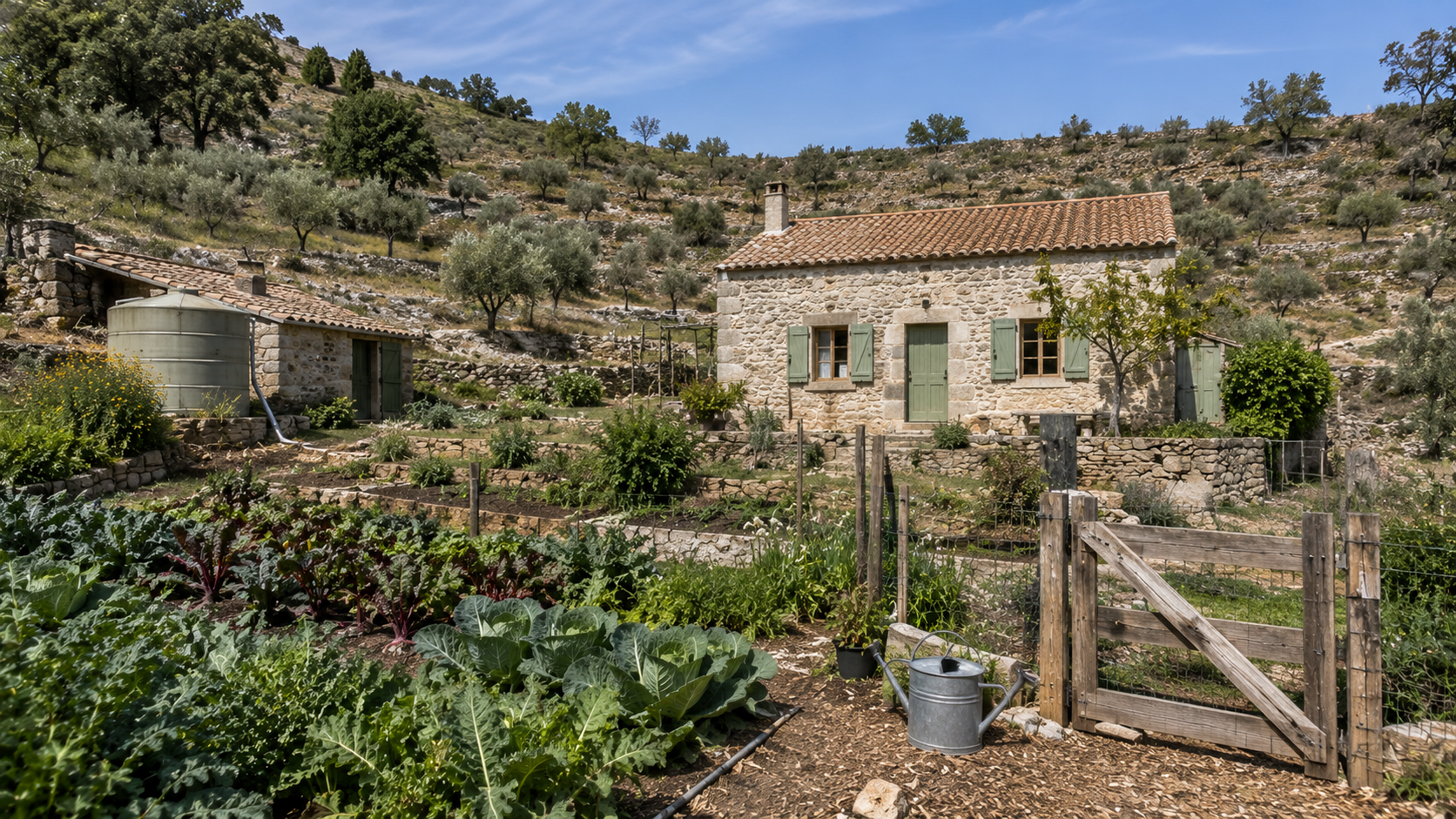
A future food-producing property could be a garden lot, microfarm, orchard site, small pasture, greenhouse parcel, or mixed-use homestead land. The path does not have to start with a giant farm.
Peer-to-peer food systems are really about resilience
When more food moves through direct relationships, communities gain more than convenience.
They gain:
- better visibility into the source,
- more local economic circulation,
- stronger ties between growers and buyers,
- and more resilience when large supply chains get disrupted.
This does not mean everyone should reject grocery stores or industrial agriculture entirely. It means communities benefit when they have more than one way to feed themselves.
That is why local food systems matter. They keep knowledge, trust, and value closer to home.
A better food future is more relational
The strongest food systems are not just efficient. They are understandable.
People want to know what they are eating, who grew it, how it got to them, and whether their dollars are helping keep real producers on real land. That is where food, land, and ownership connect.
The closer buyers can get to the source, the more agency they have. And the more ways a community creates for farmers to sell directly, the easier it becomes to keep land productive, local, and useful.
Want help thinking through land for gardens, microfarms, market growing, or other food-producing uses? Sign up for LandShop and ask questions in the community. You can learn from other buyers, compare ideas, and start building your own path toward more direct ownership and food resilience.
Sources and further reading
FAQ
Why do local food systems matter if I do not own land?
Because they give you more visibility into where food comes from, create more direct relationships with growers, and keep more value circulating locally even if you are only buying food rather than producing it yourself.
Do farmers markets and direct sales really matter economically?
Yes. USDA data shows billions of dollars in local food sales and a large existing network of farmers markets, on-farm stands, CSAs, and related direct-sale channels.
How does this connect back to land ownership?
Food starts on land. Ownership affects what gets grown, whether local producers can stay in business, and whether communities can keep building more direct food relationships over time.
More questions in this topic
Related links
Ask LandShop
Need help applying this to a real parcel?
Bring your actual land, financing, tax, zoning, or build question into the LandShop community and pressure-test the plan before you commit.