The Cheapest First Steps Toward Energy and Food Resilience
Answer-first summary
The cheapest resilience steps are usually the least glamorous ones: storing a little more food, buying light and charging backups, keeping some cash, starting a small garden, and learning how your house behaves when systems fail. Those moves often matter more than expensive gear bought too early.
Cheap resilience is mostly about basics
People often jump mentally to big-ticket systems: batteries, wells, full solar, or property-wide upgrades.
Those can matter later. But the cheapest resilience steps are usually much smaller and much more immediate.
Start with:
- pantry depth,
- water storage,
- backup lights,
- simple charging,
- some cash,
- and one food-growing habit.
Ready.gov’s build a kit guidance is still relevant here because it points back to the same truth: basic continuity beats dramatic gear collecting.
Food resilience starts with habits, not acreage
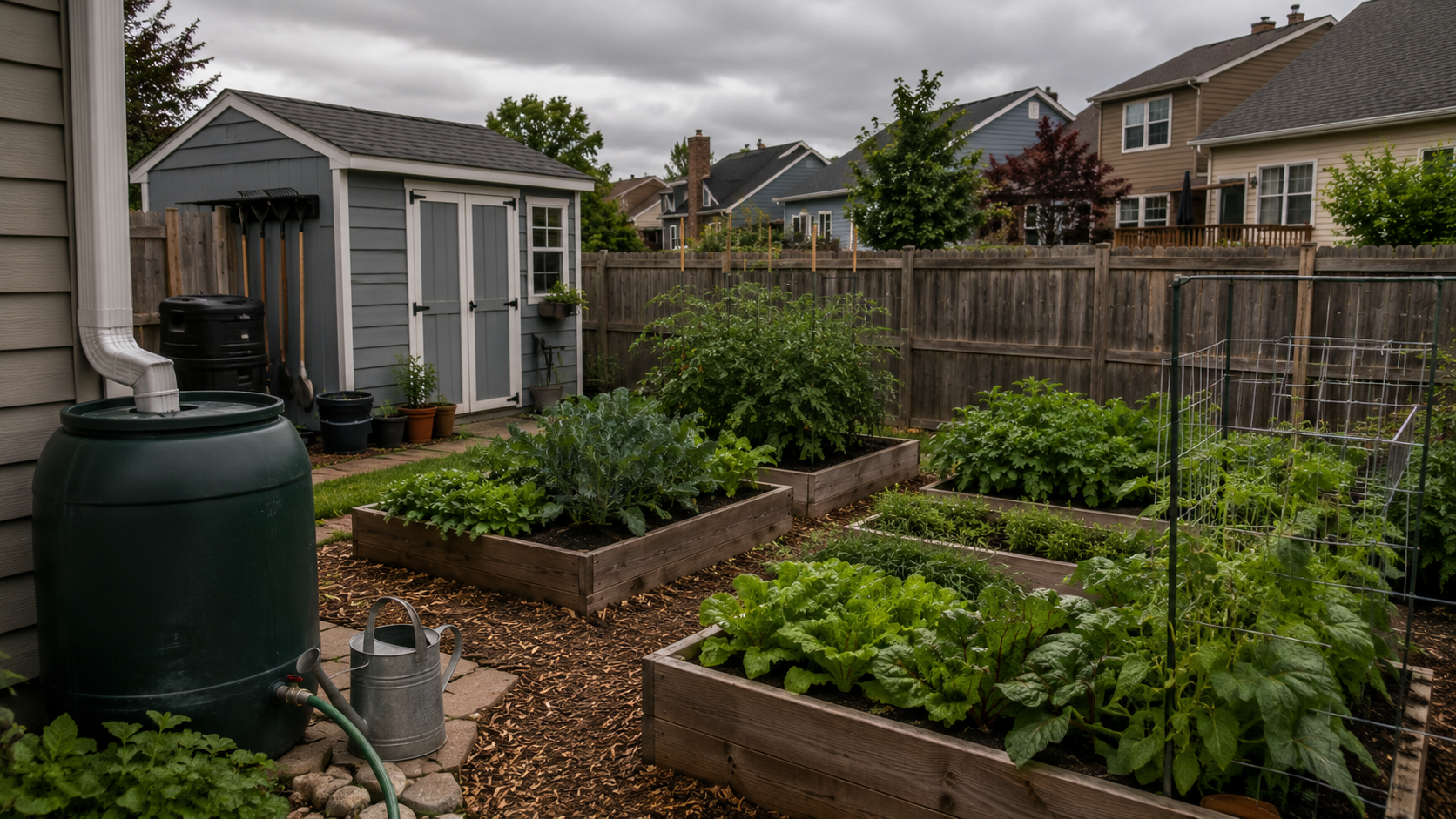
If you can grow herbs, greens, tomatoes, potatoes, or a few staple crops consistently, you are already building food resilience. It does not have to begin with a full homestead.
That is one reason How to Grow More of Your Own Food and How to Start Self-Reliance in a Neighborhood Before You Ever Buy Land matter so much. The cheapest steps are often the most educational ones too.
Energy resilience can start very small
For many households, the first useful energy steps are not whole-house systems. They are:
- a small backup battery,
- charging discipline,
- low-watt lighting,
- and knowing which loads matter most.
Those are the habits that make larger systems worth having later.
Practical takeaway
Resilience gets expensive when people buy the advanced version before building the basic version.
Start cheaper. Learn faster. Then scale only what proves useful.
Sources and further reading
FAQ
What are the cheapest useful resilience upgrades?
Usually food depth, water storage, backup lights, charging, a little cash, and a small food-growing habit provide more value than expensive gear bought too early.
Do I need land to start energy and food resilience?
No. You can start with household habits and very small systems long before you own acreage.
When should someone spend on bigger systems?
After the smaller steps have shown you what the actual weak points are and what kind of property you are trying to support.
More questions in this topic
Related links
Ask LandShop
Need help applying this to a real parcel?
Bring your actual land, financing, tax, zoning, or build question into the LandShop community and pressure-test the plan before you commit.