7 Days of Resilience Is a Better Place to Start Than Going Off-Grid
Answer-first summary
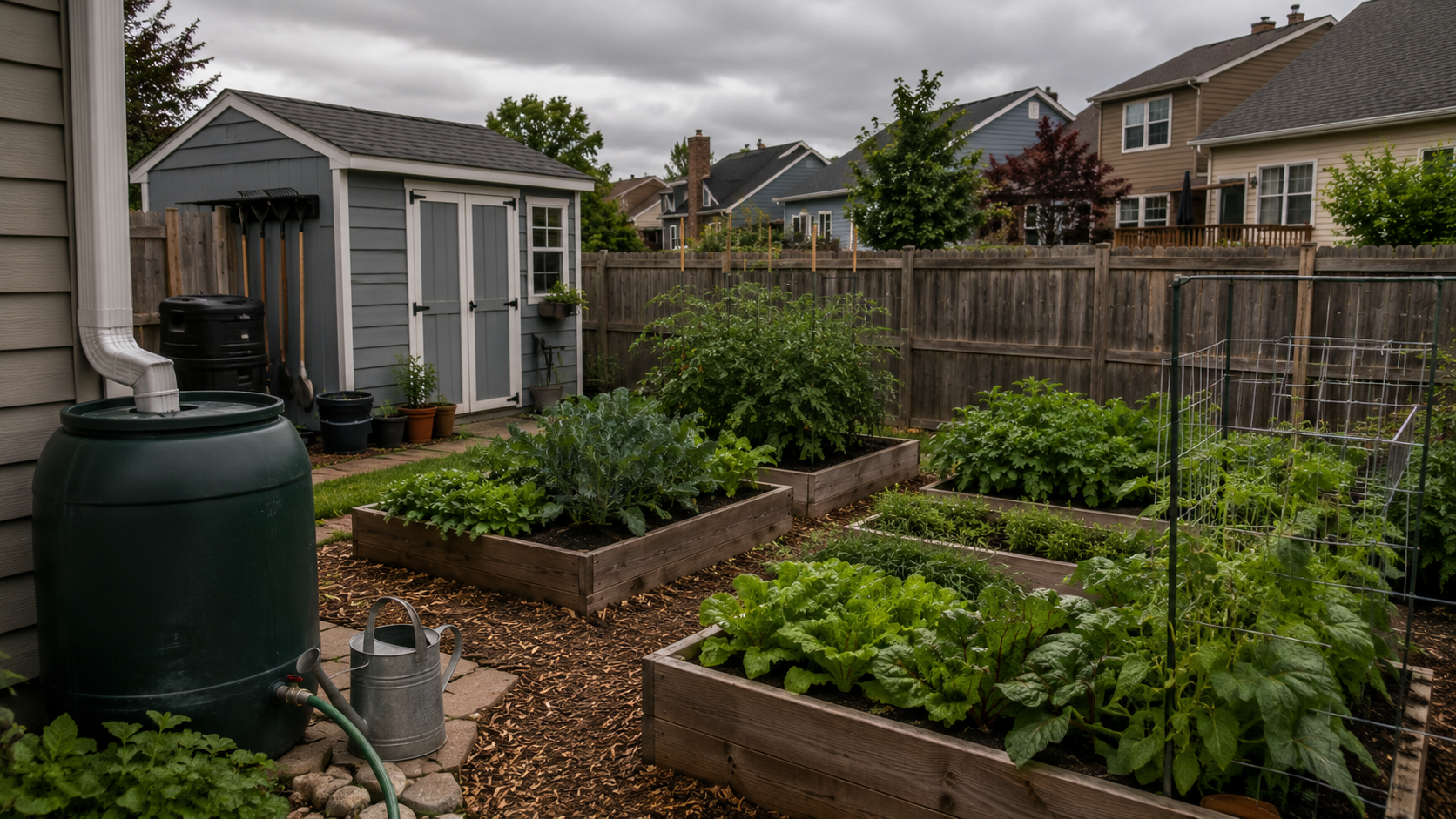
Most households do not need a total lifestyle overhaul to become less fragile. A better place to begin is a seven-day resilience plan: enough food, water, light, charging, cash, and backup basics to ride through common disruptions without panic. That is a more realistic first step than trying to leap straight into full off-grid living.
Start where most disruptions actually happen
People often imagine self-reliance in its most extreme form. But most households are not dealing with civilization-ending scenarios. They are dealing with storms, outages, supply interruptions, and short-term dislocation.
That is why a seven-day baseline is such a good starting point.
It is practical. It is affordable. And it handles the kinds of disruptions most people are actually likely to face.
What seven days really means
A useful seven-day setup usually covers:
- drinking water,
- simple food,
- light,
- charging,
- medications and hygiene,
- backup cooking options,
- and a little cash.
Ready.gov’s build a kit guidance and power outage page both point toward this same basic idea: preparedness starts with essentials that let you function when systems are temporarily down.
This is easier than people think
One reason many households never prepare is that they imagine they need bulk storage, complicated packaging, or a giant budget. Usually they do not.
Start with ordinary items you already use and slowly deepen the bench. A modest kit you actually maintain is more useful than an ambitious setup you never finish.
Seven days teaches you what the real gaps are
This is the hidden benefit.
When you build a seven-day setup, you quickly discover what matters most in your own life:
- whether water is the weak point,
- whether your home can hold temperature,
- whether you rely too heavily on grocery frequency,
- and whether your devices and communications are more fragile than you realized.
That information makes later land or homestead decisions much smarter.
Practical takeaway
If you are not prepared for a week, you are probably not ready for a total off-grid lifestyle either.
Start with seven days. Build calm capacity first. Then expand if the land, budget, and interest are really there.
Sources and further reading
FAQ
Why start with seven days instead of a full off-grid plan?
Because seven days addresses the disruptions most households are actually likely to face and gives you a realistic baseline without a huge upfront burden.
What matters most in a basic resilience kit?
Water, simple food, light, charging, cash, medications, and a few backup basics usually matter more than complicated gear.
Does a seven-day setup still matter if I plan to buy land later?
Yes. It teaches you where your weak points are now, which helps you make better decisions about future land and infrastructure.
More questions in this topic
Ask LandShop
Need help applying this to a real parcel?
Bring your actual land, financing, tax, zoning, or build question into the LandShop community and pressure-test the plan before you commit.