How Small Farms Make Imperfect Land Work
Answer-first summary
A productive farm does not always start with perfect land, big machinery, or a large amount of capital. In many cases, it starts with a modest parcel, careful systems, and the willingness to build slowly over time. For LandShop readers, the practical lesson is that smaller acreage can still create real value when the land is used intentionally, the infrastructure grows in phases, and the operation is designed around resilience instead of scale for its own sake.
Small farms do not need to look like large farms
One of the biggest misconceptions in land is that a farm only counts if it is big, flat, highly mechanized, and built around a single crop. That model works for some operations, but it is not the only way to make land productive.
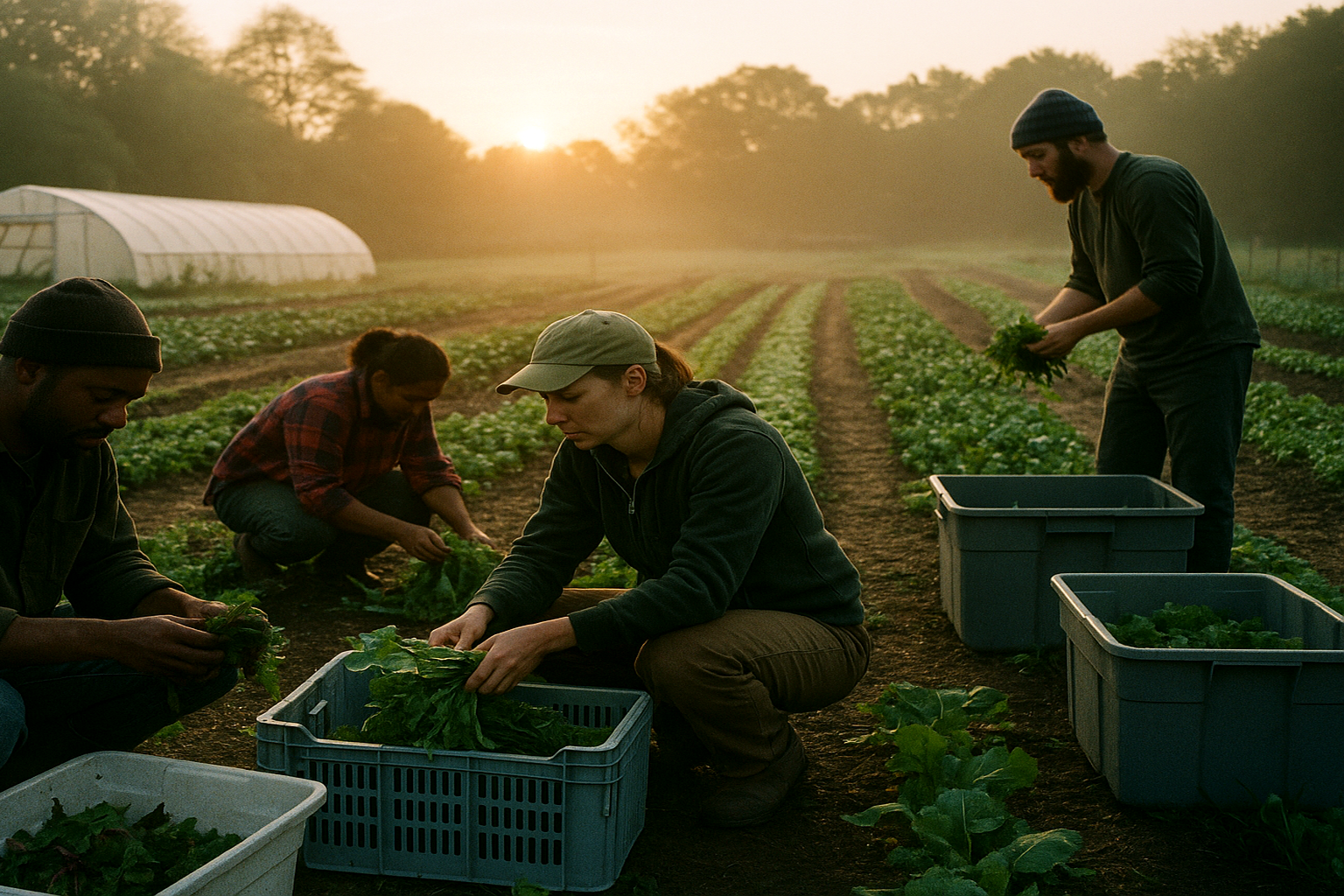
There is another path: smaller acreage, more intensive production, more diversity, and slower infrastructure growth. That kind of farm often depends less on owning the “best” land and more on learning how to use a modest piece of land extremely well.
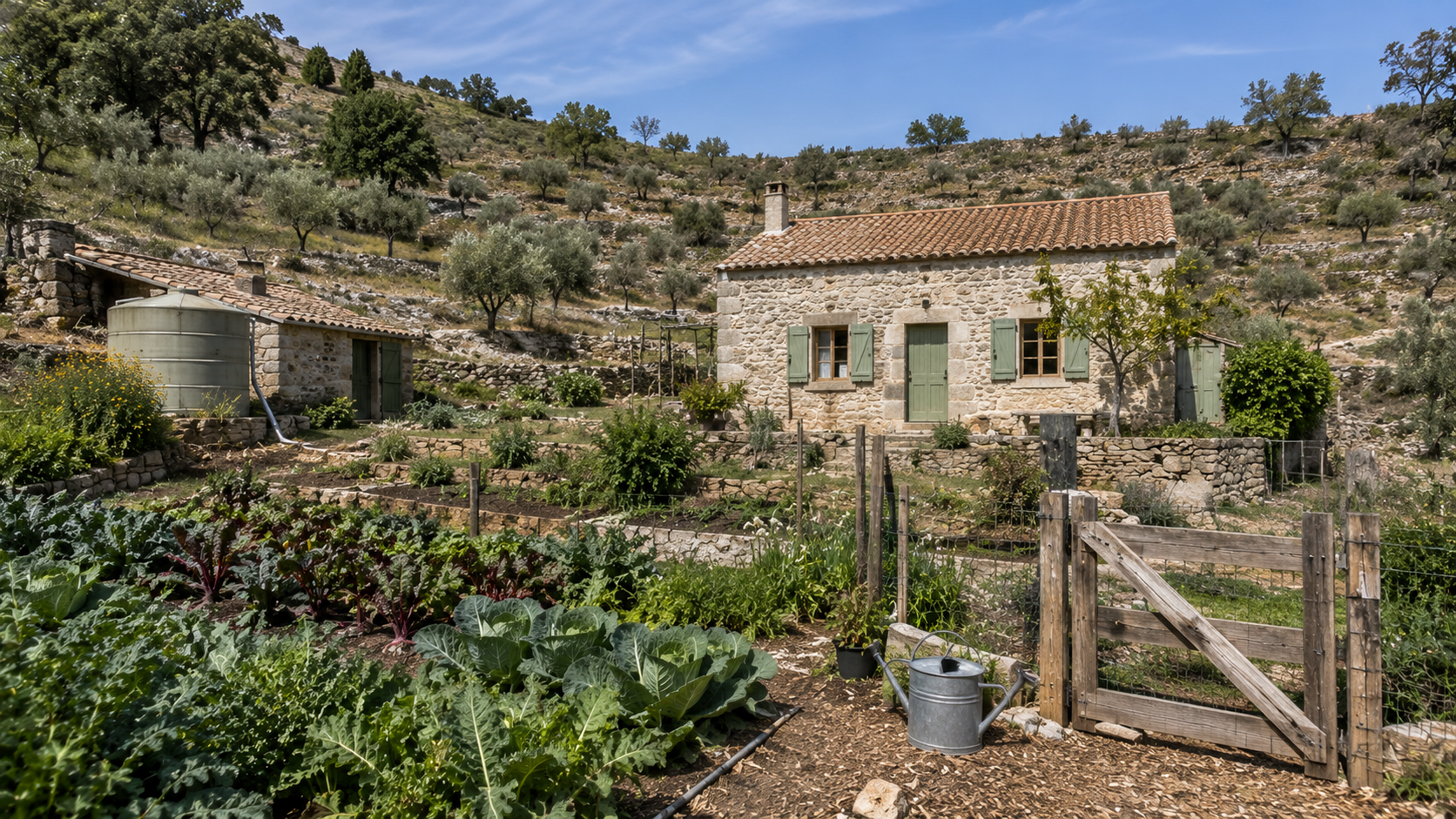
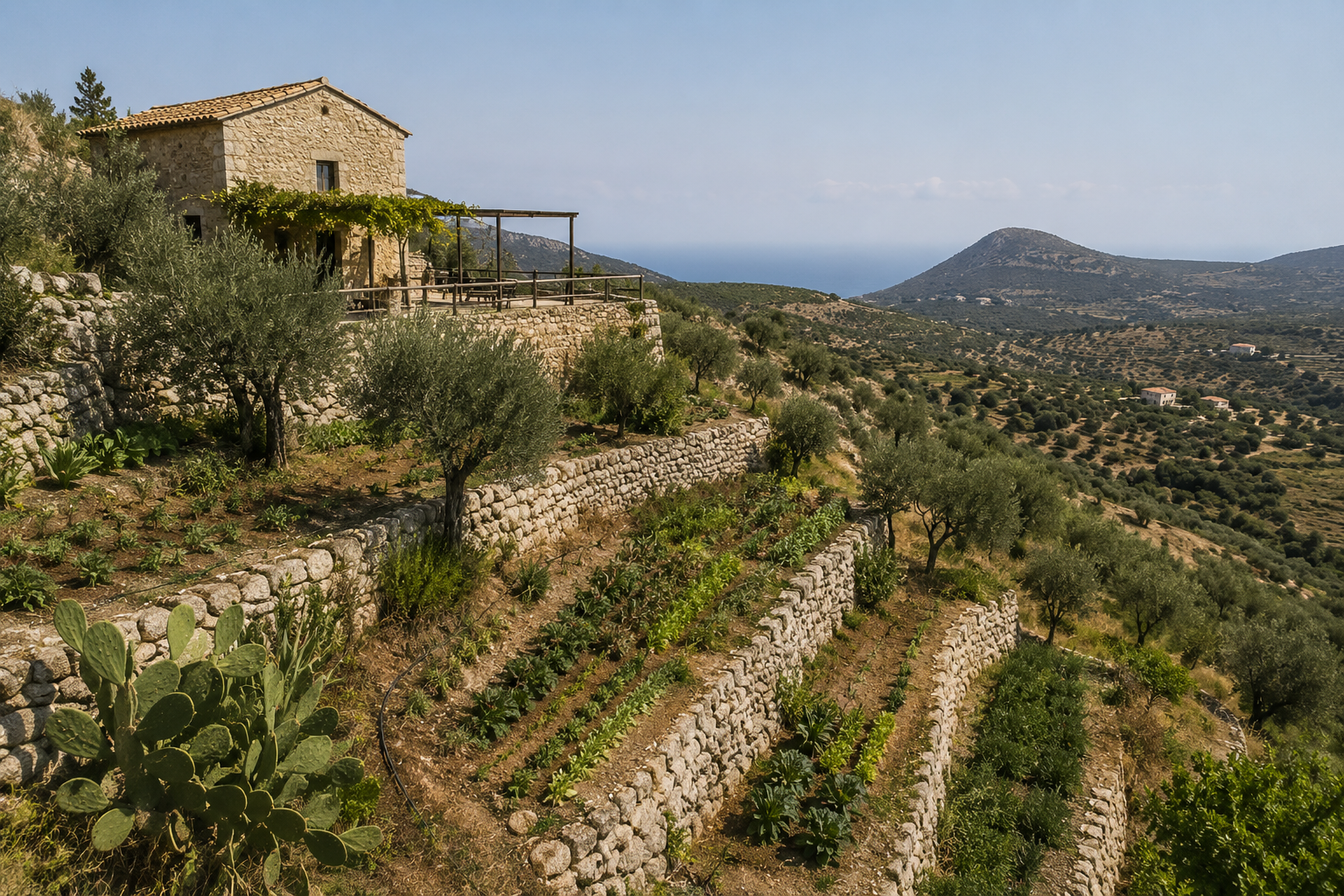
That matters because a lot of would-be landowners assume they missed their chance if they cannot buy ideal farmland on day one. In reality, some of the most durable small operations begin on land that is steep, wooded, rocky, irregular, or otherwise overlooked by conventional standards.
Small acreage is already a real part of American agriculture
This is not just theory. USDA’s 2022 Census typology data shows that small family farms make up 85% of all U.S. farms, though they account for a smaller share of production value than large-scale operations.
At the same time, farming is financially difficult. USDA’s 2022 Census release said only 43% of farms had positive net cash farm income. That is exactly why design matters so much. Small farms are not easy by default, but they can become more resilient when they are built around efficient systems, diversified crops, lower debt, and direct or local market options.
Buying what you can afford is sometimes the right first move
Many people enter land ownership thinking they need the finished version immediately: the perfect parcel, the full house, the complete outbuildings, the full utility setup, the ideal equipment.
That assumption stops a lot of people before they begin.
A more realistic path is often:
- Buy land you can actually afford.
- Accept that it may not be perfect.
- Build the essentials first.
- Add infrastructure only as the land and business justify it.
This matters especially for working-class buyers or first-generation landowners. A steep or less conventional parcel may be precisely what makes ownership possible in the first place. The key is not whether the land looks ideal on paper. The key is whether it can support the use you are building toward.
Small farms win by refining systems
On a smaller farm, success usually comes from systems rather than scale.
That can mean:
- permanent beds,
- intensive planting schedules,
- season extension,
- careful crop rotation,
- lower tillage,
- diverse sales outlets,
- and infrastructure sized to the actual operation.
USDA’s NRCS highlights one useful example in its High Tunnel Initiative. NRCS says high tunnels can extend the growing season, improve plant and soil quality, reduce erosion, suppress weeds, increase soil water content, and help farmers provide local food for more of the year.
That is a good example of the broader principle: small farms often become viable not by imitating industrial agriculture, but by stacking practical advantages in a tighter footprint.
Diversity is not just ecological, it is financial
A diversified farm can spread risk in ways that a single-crop system cannot.
When a farm grows many crops, sells over a longer season, and avoids depending on one harvest window, it has more room to recover from weather shocks, pest pressure, or market disruptions. The business becomes less fragile.
That same logic applies to land use more broadly. A small farm can combine vegetables, herbs, seedlings, greenhouse crops, storage crops, direct sales, wholesale accounts, workshops, or value-added products. It does not need every revenue stream, but it benefits from not depending on only one thing going right.
This is part of why smaller, more adaptive farms can sometimes outperform expectations on limited acreage. They are not trying to move commodity volumes. They are trying to maximize the value of a specific place with the resources available there.
Building in phases is a land strategy, not a compromise
One of the strongest lessons in this kind of farming is that phased building is not failure. It is often the only reason the farm becomes possible.
A buyer might start with:
- a simple cabin or shed,
- limited power,
- a basic water setup,
- a first greenhouse or hoop house,
- and just enough storage to keep working.
Then over time, they add:
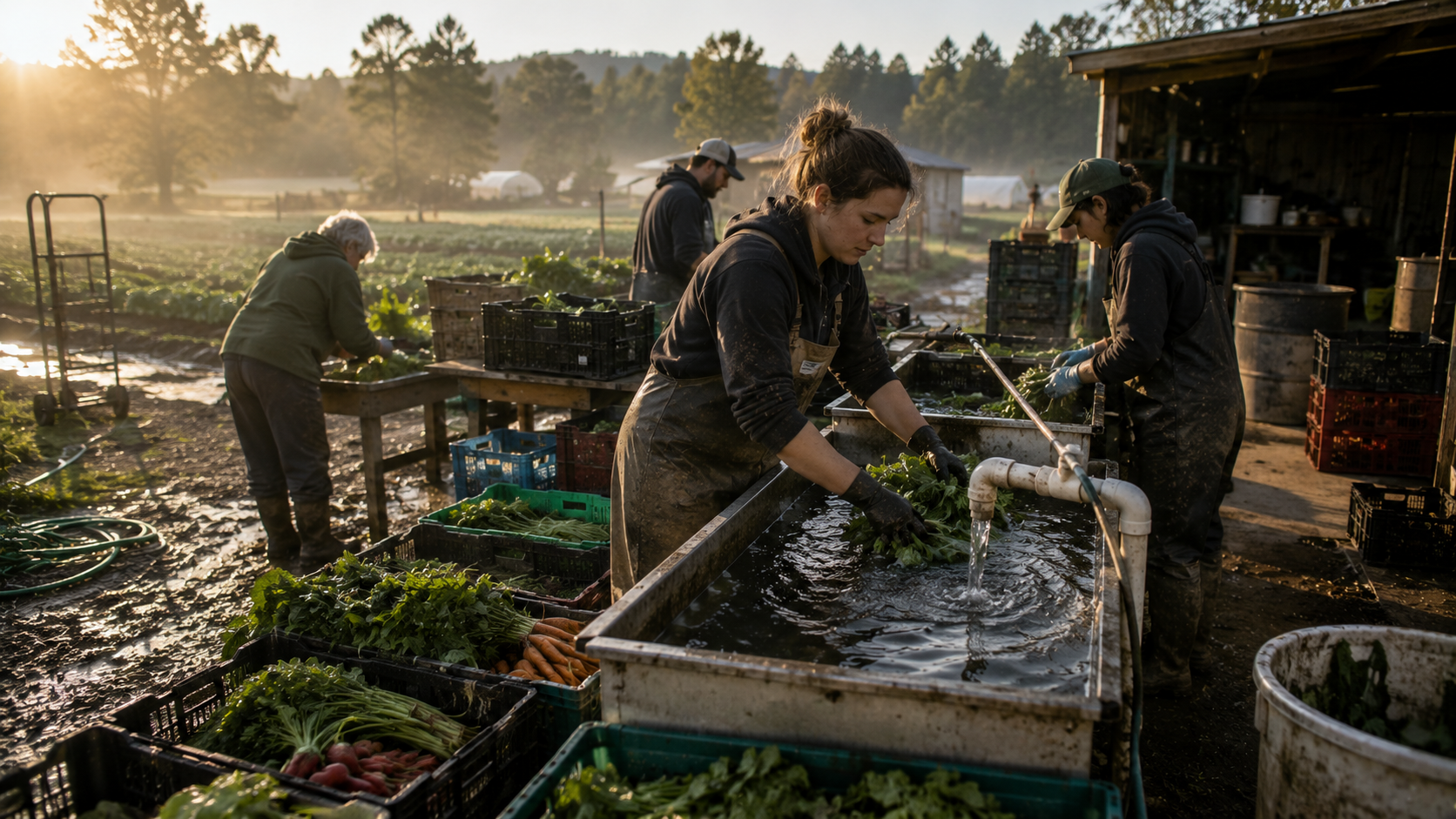
- better wash and pack space,
- more season extension,
- root-cellar or cooler storage,
- improved heating or solar,
- and a more complete home.
This approach keeps debt lower and keeps the operation tied to what the land can actually support. It also creates a stronger feedback loop between ownership and decision-making. Each improvement comes from lived experience on the property, not from guessing everything up front.
Proximity to markets still matters
Even the best small farm system needs a market.
USDA reported that 116,617 farms sold directly to consumers in 2022, totaling $3.3 billion in sales. That matters because direct or local marketing can change the economics of a small acreage operation. A farm close to buyers, restaurants, CSAs, farm stands, or wholesale outlets often has more options than a larger operation built entirely around volume.
This is where land search needs to get more nuanced. The value of a small farm parcel is not only in soil maps and acreage totals. It is also in distance to market, customer base, local food culture, infrastructure access, and whether the grower’s system actually fits the place.
What this means for land buyers
If you want to grow food, start a microfarm, or build a diversified small operation, the lesson is not that every acre will magically work. It is that more land can work than people assume.
Look for:
- Usable growing pockets, even on imperfect terrain.
- Water access and realistic irrigation options.
- Space for phased infrastructure like tunnels, sheds, storage, and access lanes.
- Market proximity or a clear distribution plan.
- A layout that supports intensity and repetition rather than sprawl.
In other words, do not just ask whether land is “good farmland.” Ask whether it is good for the system you want to build.
Small does not mean easy. It means specific.
Small farms still require skill, discipline, and endurance. But they also offer something many people want more of: a lower-capital path into productive land ownership.
That is the LandShop takeaway. You do not always need the biggest parcel or the most conventional setup. Sometimes the better path is to buy a place you can actually hold, learn it deeply, build slowly, and make it productive over time.
Want help thinking through land for a microfarm, homestead business, market garden, or phased farm build? Sign up for LandShop and ask questions in the community. You can compare setups, pressure-test ideas, and learn from other buyers building productive land step by step.
Sources and further reading
FAQ
Can a small farm really make money on limited acreage?
It can, but it depends on system design, market access, infrastructure, crop mix, and debt discipline. Smaller farms often work best when they are intensive, diversified, and built around the specific strengths of the site.
Do I need perfect farmland to start a productive small farm?
Not always. Some successful small farms begin on steep, irregular, or otherwise overlooked land. The question is whether the parcel supports your intended system, not whether it looks like conventional commodity farmland.
Why does phased infrastructure matter so much?
Because it lowers upfront risk. Building gradually lets buyers match improvements to actual needs and cash flow instead of financing the entire vision before the land has proven itself.
More questions in this topic
Related links
Ask LandShop
Need help applying this to a real parcel?
Bring your actual land, financing, tax, zoning, or build question into the LandShop community and pressure-test the plan before you commit.