Creative Housing Is Not Buying Junk
Answer-first summary
Creative housing is not buying junk. A real creative housing strategy uses land, phasing, scale, and structure more intelligently to create lawful, durable shelter with less debt. Bad-quality prefab boxes, weak financing, and temporary products sold like permanent solutions are something else entirely. The distinction matters because one path can build control and the other can trap buyers in a depreciating, fragile setup.
Not every cheaper housing idea is a good housing idea
When buyers get squeezed hard enough, bad options start looking reasonable.
That is exactly when people need clearer standards, not looser ones.
At LandShop, creative housing means:
- lawful shelter,
- durable materials,
- sane financing,
- and a path that improves control over time.
It does not mean buying a weak product just because it is smaller or marketed as affordable.
The wrong shortcut is still a trap
Some housing products are sold as if they solve the affordability problem simply because the sticker price is lower than a conventional house.
That is not enough.
If the structure is low quality, poorly financed, hard to insure, hard to place legally, or likely to depreciate sharply, then the buyer may just be trading one housing problem for another.
What creative housing should actually do
A good creative housing plan should improve at least one of these:
- ownership control,
- monthly burden,
- long-term usefulness,
- flexibility,
- or the ability to add value later.
That might mean:
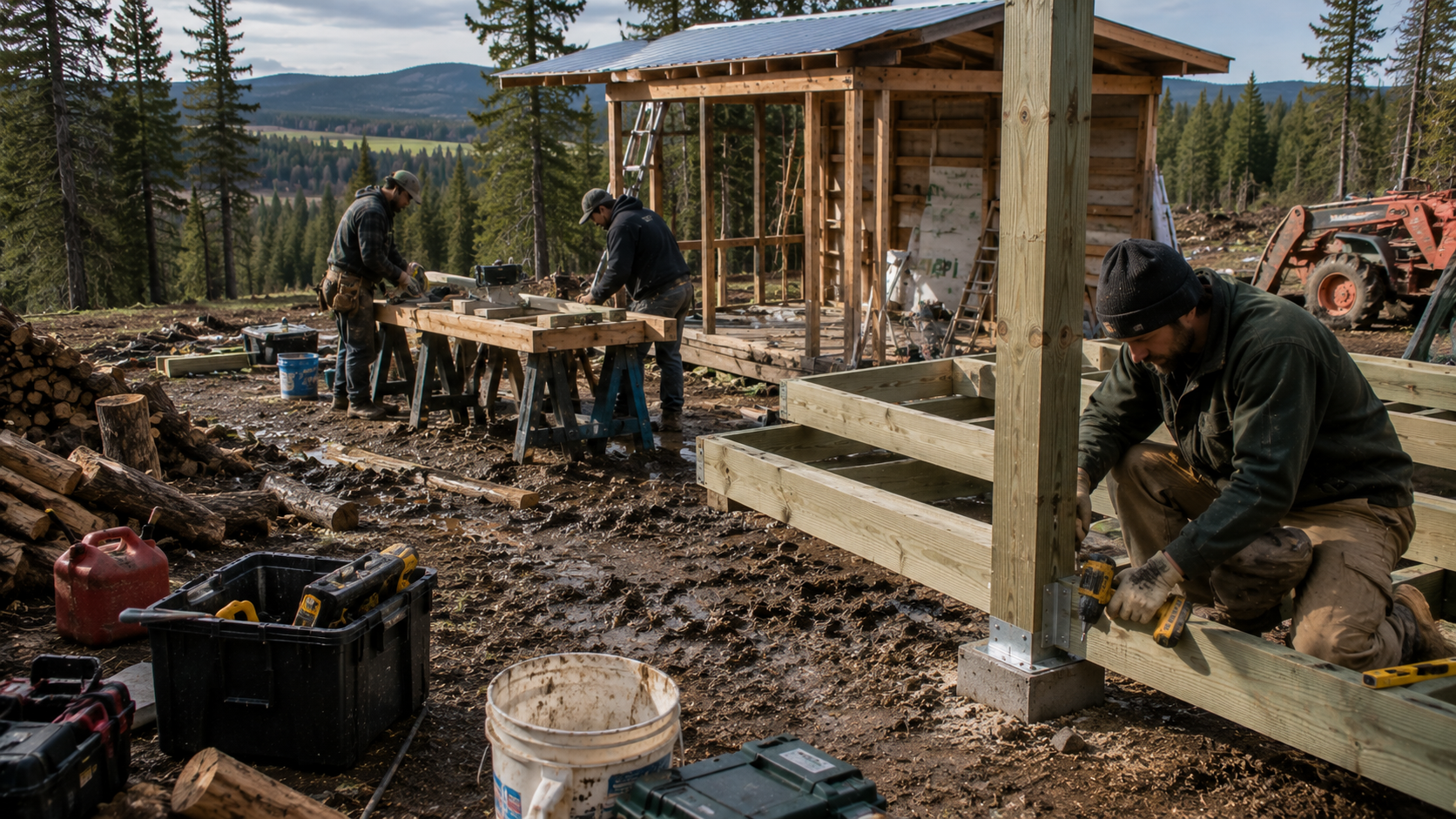
- building small first,
- putting a permanent modest home on land,
- using a phased utility and site plan,
- or creating a family-land setup that stays legal and durable.
What this allows, and what it does not
The right creative approach can allow:
- lower debt,
- quicker access to real shelter,
- and a path that gets stronger over time.
It does not allow buyers to skip due diligence just because the product looks simple.
If the structure is junk, the land does not work, or the financing is predatory, the deal is still bad.
Practical takeaway
Creative housing should widen your options without lowering your standards.
If the idea does not improve durability, legality, or long-term control, it is probably not a creative solution. It is probably just a cheaper-looking risk.
Related questions
- Why More Buyers Need to Think Creatively About Housing
- Why Building Small First Can Be Smarter Than Building Big
- Can You Put an RV on Your Land and Live There Legally?
- Build on Land Guide
Sources and further reading
FAQ
What makes a creative housing idea bad instead of smart?
Usually weak quality, bad financing, placement problems, or a structure that behaves like a depreciating temporary product instead of durable shelter.
Can a small home still be a strong asset?
Yes, if it is lawful, durable, reasonably financed, and paired with land or a setup that supports long-term use.
What should buyers check first?
Check whether the shelter is legal for the site, whether the financing is sane, and whether the structure is durable enough to justify the plan.
More questions in this topic
Related links
Ask LandShop
Need help applying this to a real parcel?
Bring your actual land, financing, tax, zoning, or build question into the LandShop community and pressure-test the plan before you commit.