Can a Barndominium Be a Path to Affordable Homeownership?
Answer-first summary
Yes, a barndominium can be a path to more affordable homeownership, but usually not because the shell is magically cheap. The bigger shift is strategic: buyers change location, buy land differently, build in phases, and keep debt lower than the standard 30-year-house-in-the-city path would require. That approach is not effortless, but for some households it opens an ownership path that conventional home shopping never would.
The standard path is not the only path
One of the hardest parts of housing right now is that many people only know one ownership script:
- stay close to the city where you already live,
- shop for a conventional house,
- stretch for the down payment,
- and accept whatever 30-year mortgage the numbers require.
When that path breaks, it is easy to assume homeownership itself is out of reach.
That is the frame this story pushes against.
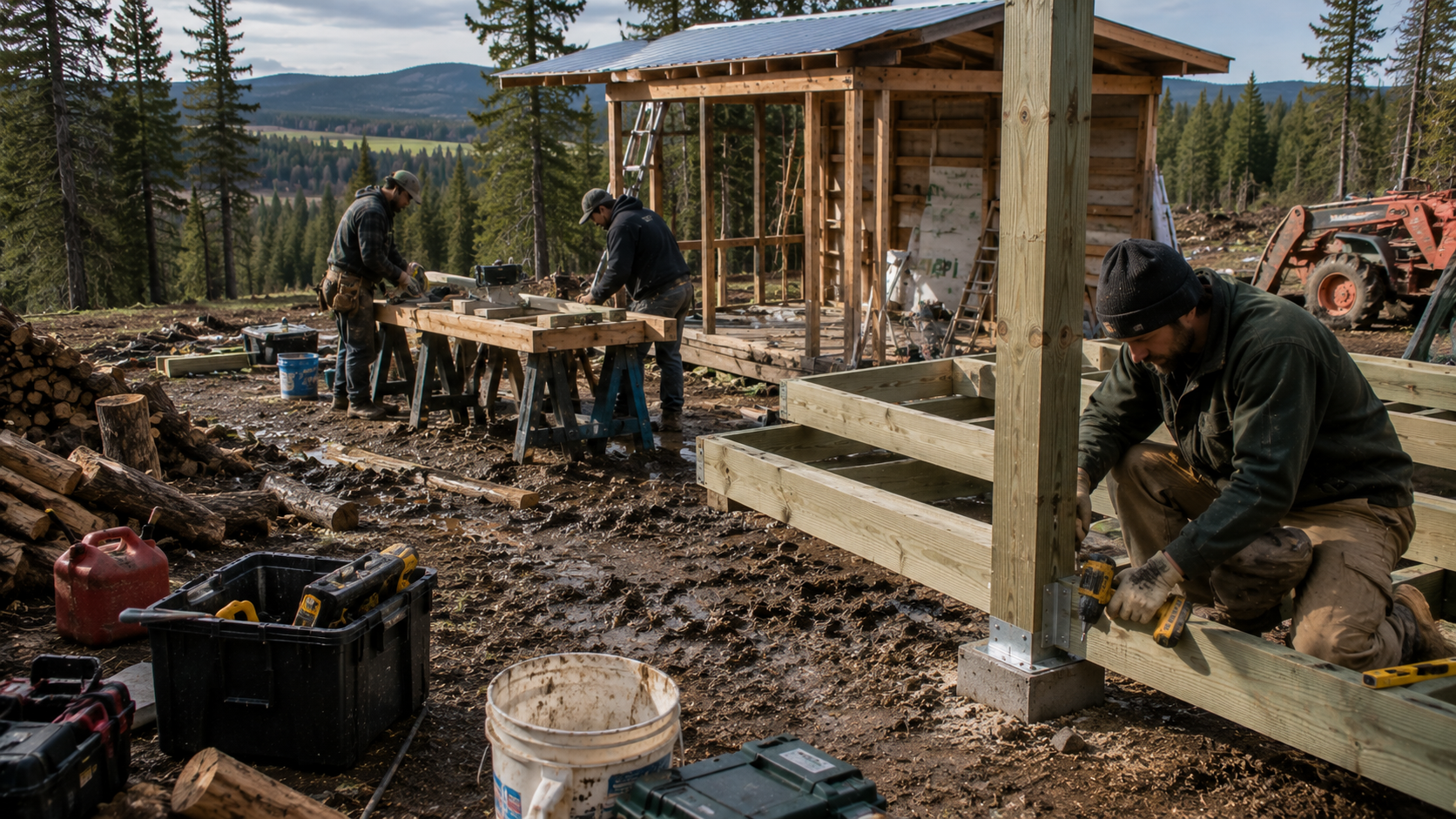
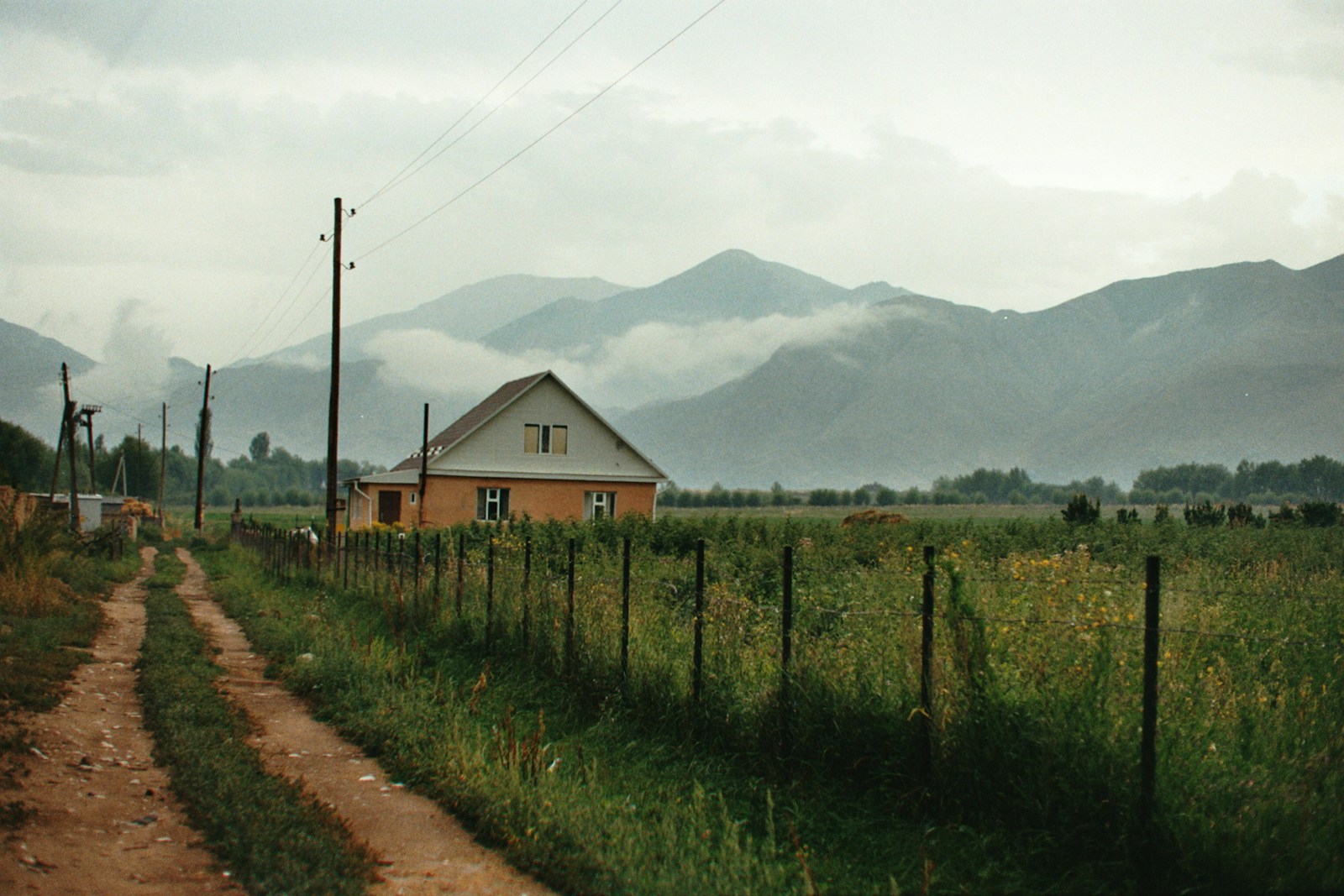
The couple behind the original video started in an expensive city, widened their search, bought rural land, lived through an interim shed-to-cabin stage, then built a 2,400-square-foot barndominium shell and kept finishing the interior over time. Their point is not that everyone should copy their exact numbers. It is that affordable ownership sometimes comes from changing the structure of the problem, not just saving harder for the same house type.
Why this resonates right now
That broader framing makes sense because the usual housing path is still expensive. The Census Bureau’s new-home sales data shows the average sales price of a new single-family home sold in 2024 was $514,500. For many buyers, that is not a small gap to close with budgeting tricks.
So the more useful question becomes:
What kind of home can I actually afford to own and keep?
That is a better LandShop question than “How do I force myself into the exact product the market is pushing?”
The three levers that changed the math
In this case, the ownership path changed through three levers.
1. Location
They expanded the search radius instead of treating their original metro as the only valid place to buy.
That does not work for every household. Jobs, family, schools, and medical access all matter. But a wider search radius is often the first thing that reopens the math.
2. Housing type
They chose a barndominium because the shell gave them a large, usable footprint without starting from a fully custom house budget.
According to the story, the exterior shell on slab came in around $60,000, and they expect the full build to land near $200,000 after finishing the interior. Those are their project numbers, not a universal promise. But the bigger lesson still holds: a simpler shell can create a different ownership path when the design stays practical.
3. Financing strategy
The most important decision may not have been the shell at all. It was refusing to let the project become one giant mortgage.
They turned down a larger construction loan, moved into an unfinished shell, and kept building in phases. Four days after moving in, one of them lost a long-term job. That is the part that matters most: the project was inconvenient, but it was not instantly fatal.
Lower debt gave them room to absorb a shock that a fully leveraged build might not have survived.
This is really a phased-build story
That is why this article belongs in the barndominium cluster, but it is also bigger than barndominiums.
The real lesson is about sequencing:
- buy land you can actually carry,
- solve shelter in stages,
- keep the shell simple,
- prioritize the systems you need first,
- and finish the rest on a timeline your budget can survive.
That logic overlaps directly with How to Build a Barndominium in Phases, Cheapest Ways to Build a Barndominium Without Building Junk, and How to Buy Land on a Tight Budget.
What buyers should verify before romanticizing this path
There is still real work here.
Before treating a barndominium as an affordability shortcut, buyers need to verify:
- zoning and residential approval,
- access, well, septic, and power costs,
- whether interim shelter is legal on the parcel,
- whether the finished building will appraise as a residence,
- how much self-finish work they can realistically carry,
- and whether the project still works if income drops for six months.
That last question is the one too many people skip.
USDA Rural Development’s guaranteed loan program still supports up to 100% financing for eligible borrowers in eligible rural areas, and USDA now offers a single-close construction-to-permanent option in that channel. But financing help does not replace project discipline. A weak site plan, bad utility math, or overbuilt shell can still sink the deal.
Practical takeaway
A barndominium is not automatically an affordable house. But it can be a real path to affordable homeownership when it is part of a bigger strategy:
- wider location search,
- simpler building form,
- phased execution,
- and lower dependence on one large mortgage.
That is the useful lesson here. The shell matters, but the resilience comes from how the whole plan is structured.
Want help pressure-testing whether a parcel, shell plan, or financing path actually makes sense? Sign up for LandShop and ask questions in the community before you commit to the wrong version of “affordable.”
Sources and further reading
- U.S. Census Bureau: Interactive Graphic of New Single-Family Homes
- USDA Rural Development: Loan Processing Overview
- USDA Rural Development: Single Close Construction-to-Permanent Financing
- How to Build a Barndominium in Phases
- Cheapest Ways to Build a Barndominium Without Building Junk
- Barndominium Land Guide
FAQ
Can a barndominium really lower the cost of homeownership?
Sometimes, yes, but usually because the overall plan changes, not just because the shell is cheaper. Location, land price, utility costs, financing, and phased execution matter as much as the structure type.
Is building in phases risky?
It can be if the project is improvised. It works best when the full layout, utility plan, and legal approval path are understood early, even if spending happens over time.
What is the biggest takeaway from this kind of story?
Affordable ownership often comes from asking a different question. Instead of chasing the exact house type and location the market normalizes, buyers can change location, structure, and financing assumptions to create a workable path.
More questions in this topic
Related links
Ask LandShop
Need help applying this to a real parcel?
Bring your actual land, financing, tax, zoning, or build question into the LandShop community and pressure-test the plan before you commit.