Can You Stake a Mining Claim on Public Land?
Answer-first summary
Sometimes yes, but only on federal land that is actually open to mineral entry and only if the claimant follows the required federal, state, and county steps. A mining claim is not the same thing as buying the land, and it does not generally turn public land into a private homesite. In practice, the real questions are whether the land is open to location, whether a valid mineral discovery standard can be met, and whether the claimant records and maintains the claim correctly.
A mining claim is not the same thing as owning the land
That is the first thing to get straight.
Under the federal mining law framework, some public lands can still be open to location for mining claims. But an unpatented mining claim does not usually make the land your private residential property.
What it can do is give you a possessory interest tied to the right to prospect for and develop locatable minerals on land that is legally open to that process.
Not all public land can be claimed
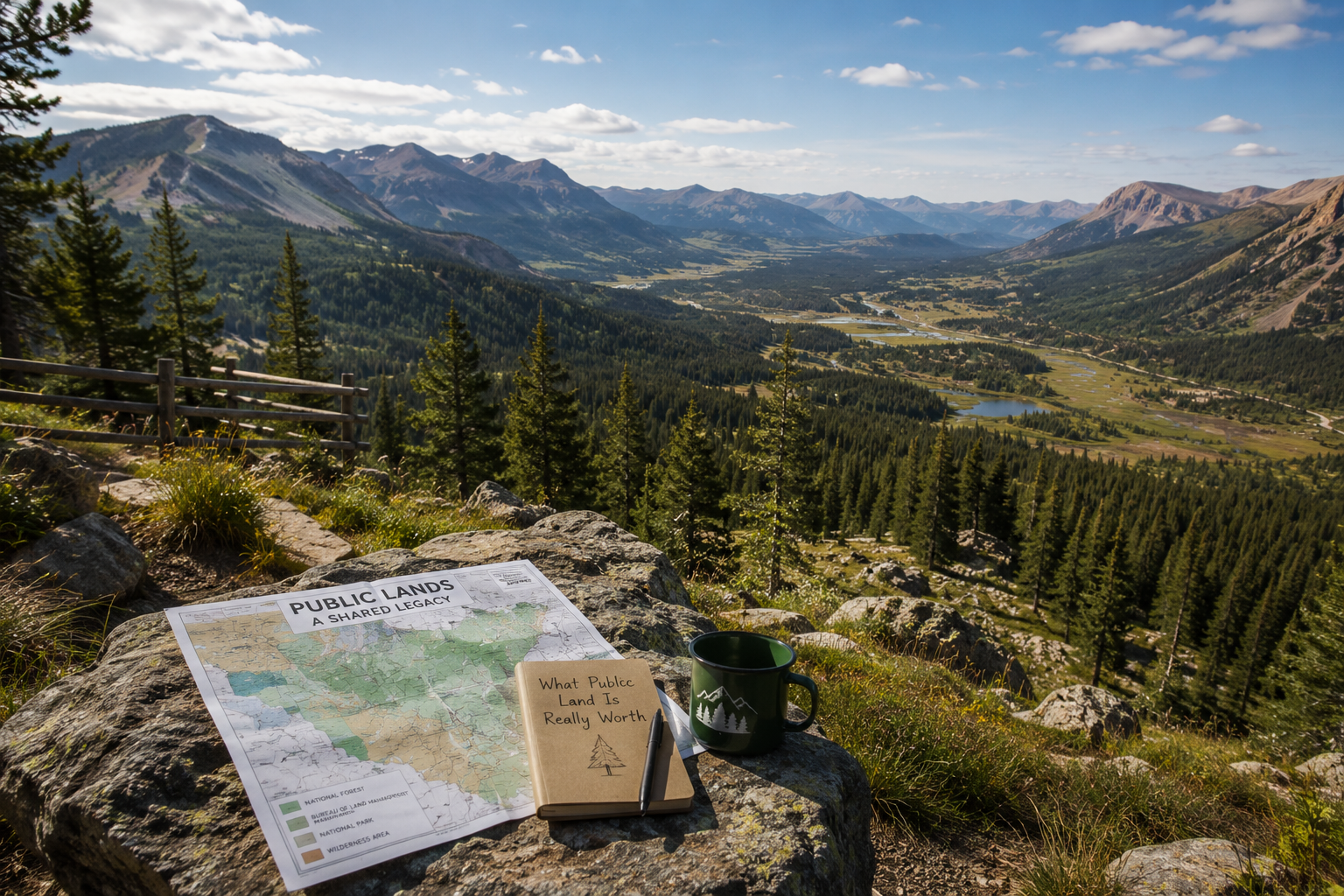
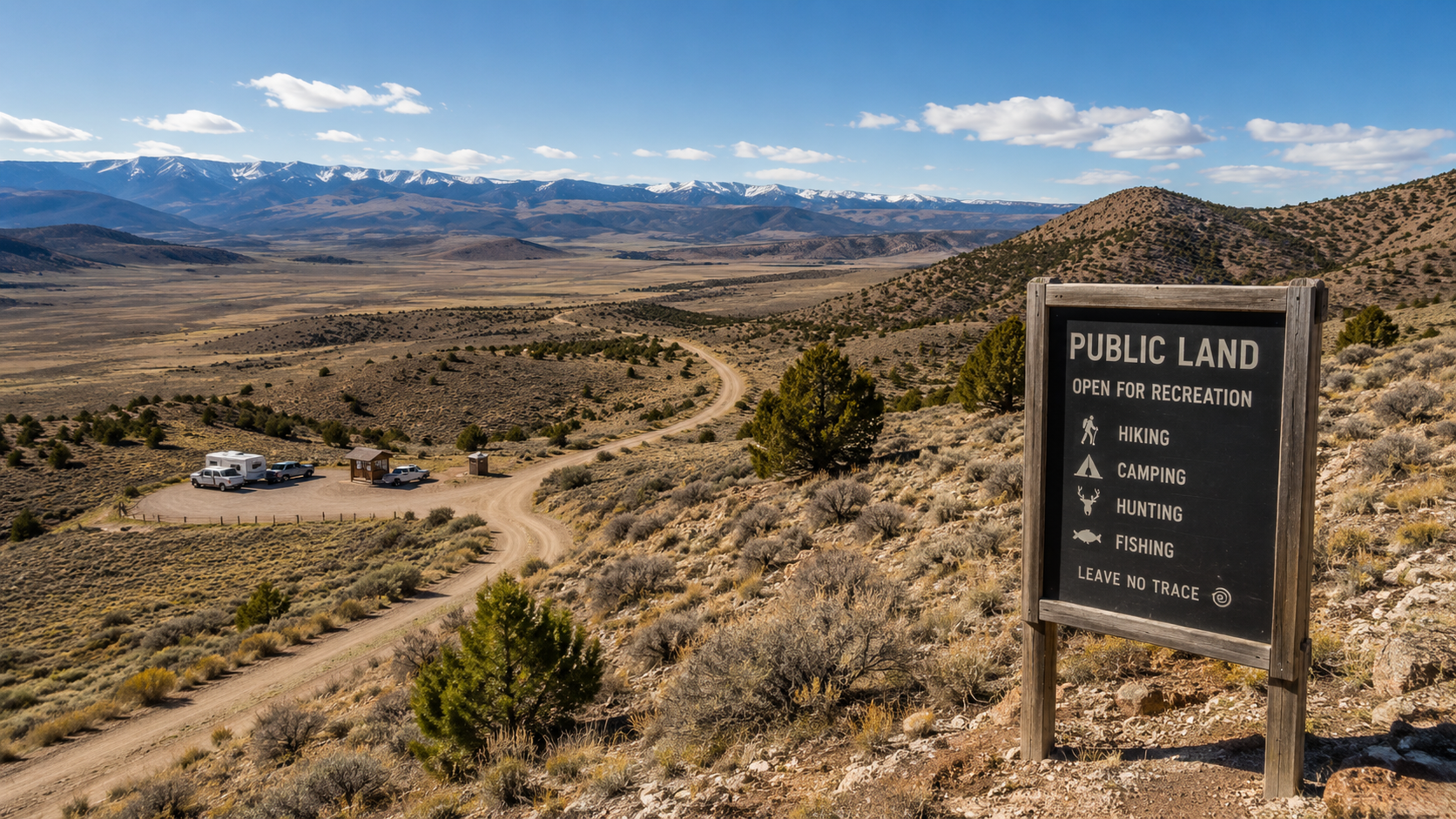
A lot of people hear “public land” and assume that any open-looking federal land in the West is fair game.
It is not.
The Bureau of Land Management makes clear that land can be closed to mineral entry for a range of reasons, including withdrawals, special designations, wilderness-related restrictions, national park status, and other management limits.
That is why the first job is not staking anything. The first job is verifying whether the land is actually open to location at all.
The record systems matter because the status can be complicated
BLM’s Mineral & Land Records System exists for exactly this reason. Claim status, closed areas, withdrawals, and existing claims all affect whether a parcel is even available to be located.
That is the modern version of a very old problem: before you do anything on the ground, you need to know whether the rights are already spoken for or legally unavailable.
There are still location and recording rules
Even when the land is open, a claim is not created just because somebody wants one.
BLM guidance and state-level rules still require steps around:
- proper location,
- monumenting or marking,
- notices and maps,
- county recording where applicable,
- and federal filing with the appropriate office.
The details vary enough by state and county that this is not a smart place to improvise.
A claim gives mineral rights, not general private control of the surface
This is where a lot of people get it wrong.
An unpatented mining claim generally does not mean:
- you can fence the land off as private recreational ground,
- you can build a normal vacation cabin because you feel like it,
- or you can treat the land like deeded fee-simple property.
The claim is tied to mineral rights and mining law, not ordinary residential ownership.
That distinction matters because people often mistake the process for a backdoor way to acquire private land cheaply. It is not that.
Ongoing maintenance matters too
The process is not just “stake it once and forget it.”
BLM also requires annual maintenance fees or qualifying waiver filings for most mining claims and sites. That means the claim has to be maintained correctly over time, not just located correctly at the beginning.
Practical takeaway
Yes, mining claims on some public lands are still possible. But the right way to think about them is very narrow and very specific:
- this is about mineral rights,
- this is not ordinary surface ownership,
- and the land has to be legally open and properly recorded before the claim means anything.
If someone is treating a mining claim like a shortcut to free private land, they are describing the wrong thing.
Related questions
Want help pressure-testing whether a parcel question is really about ownership, mineral rights, or land use restrictions? Ask LandShop.
Sources and further reading
FAQ
Does staking a mining claim mean you own the land like private property?
No. An unpatented mining claim is generally tied to mineral rights and mining-law possession, not ordinary fee-simple private ownership of the surface.
Can you stake a claim on any public land you find?
No. The land has to be legally open to mineral entry, and many federal lands are closed or limited by withdrawals, park status, wilderness rules, or other management restrictions.
Do mining claims have to be maintained after filing?
Yes. Federal maintenance fees or waiver filings and other record-keeping requirements can apply, so the process does not end once the claim is first located.
More questions in this topic
Ask LandShop
Need help applying this to a real parcel?
Bring your actual land, financing, tax, zoning, or build question into the LandShop community and pressure-test the plan before you commit.