Why Water Is the Real Off-Grid Cost
Answer-first summary
People often think of off-grid life as an energy problem first, but on real property water is usually the more expensive and less forgiving system. Wells, pumps, pressure, filtration, storage, and wastewater are where a lot of the real cost and complexity show up. That is why resilient land planning has to treat water as core infrastructure, not an afterthought.
Water is where self-reliance gets expensive
Power gets most of the attention because batteries and panels are easy to visualize. Water is usually the system that decides whether a property is actually workable.
That is because water is not one purchase. It is a chain:
- source,
- pumping,
- storage,
- pressure,
- filtration,
- and wastewater.
If any of those pieces fail, the property gets harder to live on quickly.
Wells are only part of the story
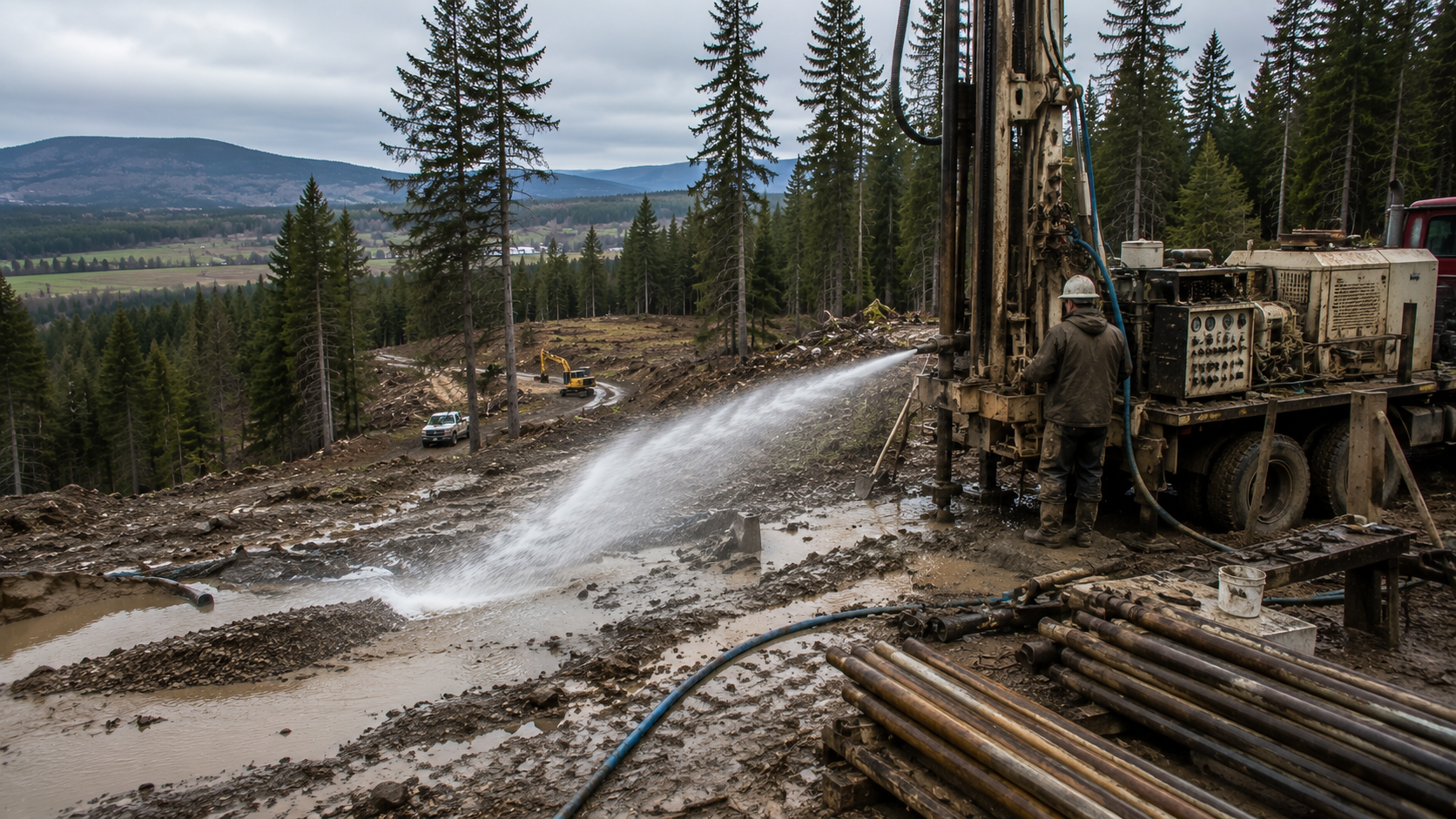
A clean deep well can be a major asset. But the cost is not just drilling. It is also the pump, pressure system, treatment, maintenance, and backup plan when something goes wrong.
EPA’s private drinking water wells page and its Homeowner’s Guide to Septic Systems (PDF) both point to the same broader lesson: water and wastewater are full systems, not details.
Backup water matters because repair timelines are real
If a pump fails, a filter fails, or a well issue shows up, the problem is not abstract. You may be waiting days or weeks for service in some areas.
That is why resilient properties often need some combination of:
- stored potable water,
- basic treatment options,
- and a realistic backup plan for short interruptions.
Practical takeaway
If you are planning for self-reliance, treat water as first-tier infrastructure.
The right question is not just “Can I get water here?”
It is:
“How many things have to work correctly for this property to keep water flowing, and what happens when one of them fails?”
Sources and further reading
FAQ
Why is water often a bigger issue than power on rural land?
Because water depends on multiple linked systems: source, pumping, storage, pressure, filtration, and wastewater. Any one of those can become the weak point.
Does having a well mean a property is fully water-secure?
No. A well still depends on equipment, maintenance, and often electricity. Buyers should think in terms of full water-system resilience, not just the existence of a well.
What is the simplest resilience step for water?
Start with stored water and a clear understanding of how your current system works before you spend on bigger infrastructure.
More questions in this topic
Ask LandShop
Need help applying this to a real parcel?
Bring your actual land, financing, tax, zoning, or build question into the LandShop community and pressure-test the plan before you commit.