Why Billionaires Keep Buying Farmland, and What It Means for Everyday Land Buyers
Answer-first summary
Farmland keeps attracting wealthy investors because productive land can generate income, hold long-term value, and provide exposure to essential resources. But the bigger takeaway for regular buyers is not fear. It is that land still matters, land still has utility, and buyers who stay practical can still find real ownership opportunities.
Why farmland attracts big investors
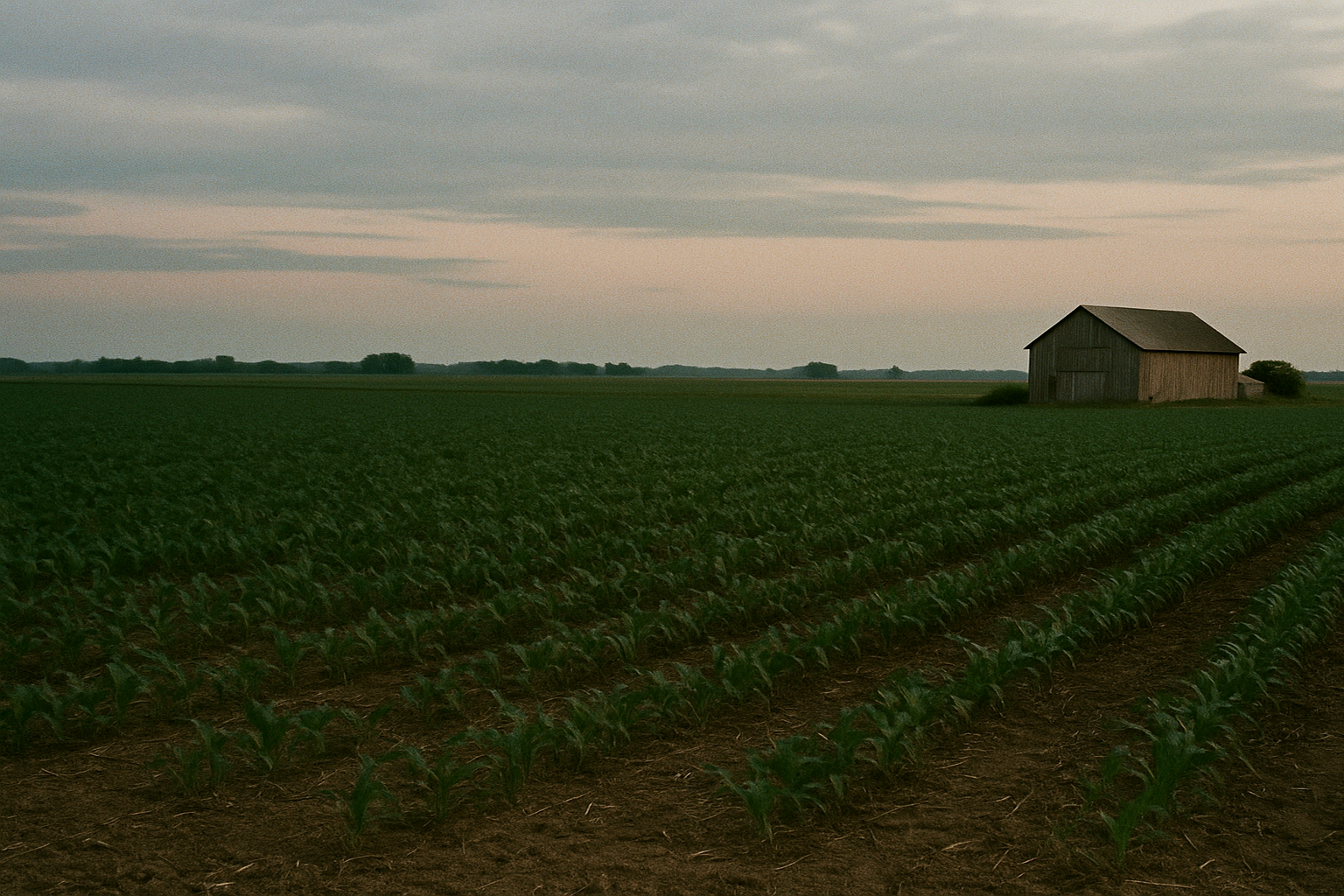
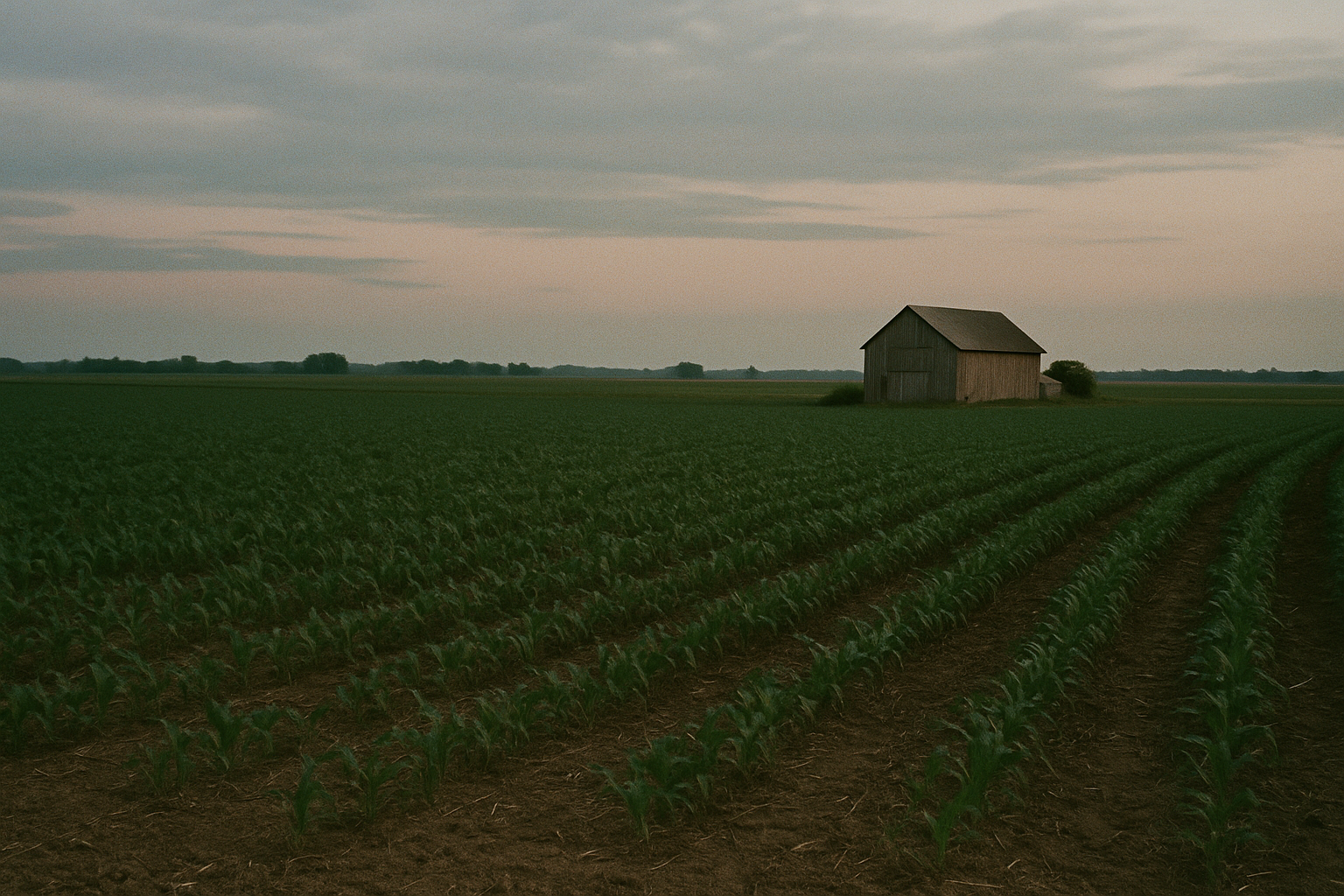
Large investors are usually not buying farmland because they want to farm it themselves. They are buying it because farmland can produce rent, crops, grazing income, or long-term appreciation. In many cases, the land is leased to operators who actually work it.
The scale of the asset class is part of the appeal. The USDA reported 1.88 million farms in the United States in 2024, with an average farm size of 466 acres. The USDA also estimated 876 million acres of land in farms in 2024, which helps explain why farmland continues to be treated as a major long-term capital market.
That makes farmland appealing for a few reasons:
- It is a hard asset with real-world use.
- It can produce income while being held long term.
- It is tied to essential needs like food production.
- It can act differently than stocks or urban real estate.
For investors with large amounts of capital, that combination is attractive.
Why farmland values have risen
Farmland values have increased over time because productive land is limited, demand for food does not disappear, and crop revenue can support higher land prices when commodity markets are strong. In strong pricing environments, operators can often pay more to lease land, and that supports higher valuations.
The USDA's ERS farmland value data shows U.S. farm real estate value rising from $3,160 per acre in 2020 to $4,170 per acre in 2024, which is a sharp move in a relatively short period for an asset that is often described as slow and stable.
But farmland is not a guaranteed straight line up. Land values are still affected by crop prices, interest rates, input costs, regional water access, operating margins, and local demand. Buyers should think about farmland as a real business asset, not just a trend.
Cropland and pastureland are not the same
One of the most important practical points is that not all farmland should be valued the same way. Cropland and pastureland can have very different economics.
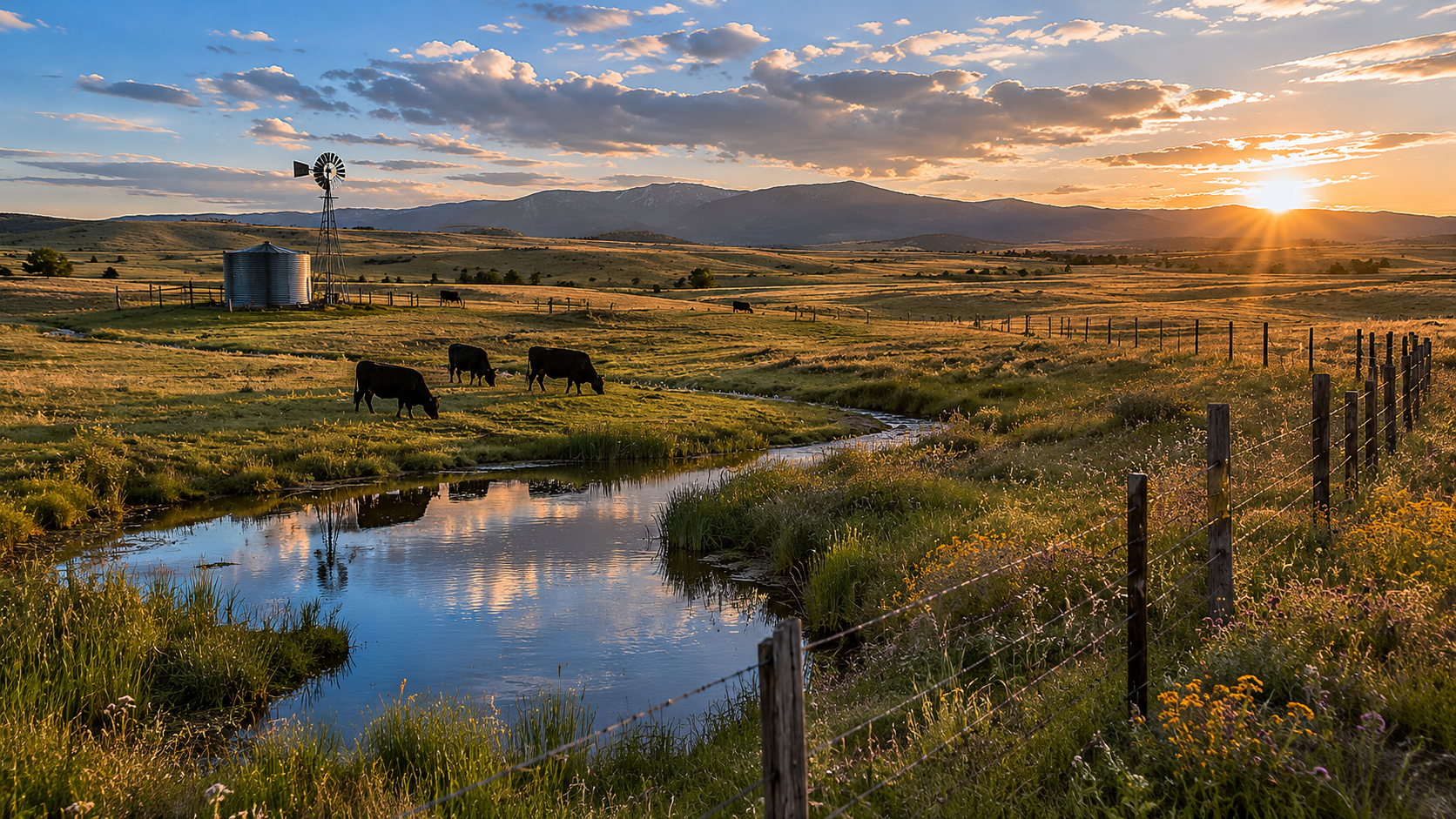
Cropland is often worth more because it may support higher revenue per acre. Pastureland may be more affordable, but the income profile, use case, and market demand can be very different. Water, soil, access, fencing, topography, and local agricultural demand all matter.
USDA land value data reflects that gap. In 2024, average U.S. cropland value was about $5,570 per acre while average pasture value was about $1,830 per acre. That spread matters for buyers because “farmland” is not one pricing bucket.
If you want to buy land for farming, ranching, leasing, or long-term holding, you need to understand what the land actually does, not just what category it is labeled under.
Does billionaire ownership mean regular buyers are shut out?
Not necessarily.
Large investors do not buy every kind of land, and they do not participate in every local market the same way. Many ordinary buyers are not competing for institutional-grade cropland. They may be looking for smaller acreage, mixed-use land, recreational land, homestead property, owner-financed parcels, or land in less competitive markets.
Foreign ownership headlines also need context. According to USDA's AFIDA data, foreign investors held about 45.85 million acres of U.S. agricultural land in 2023, equal to roughly 3.61% of privately held agricultural land. That is meaningful enough to watch, but it is not the same as saying outside buyers control most U.S. farmland.
The better question is not, "Can I outbid a billionaire?"
The better question is, "What kind of land can I realistically own, use, improve, or grow into over time?"
That is where regular buyers still have room.
What everyday buyers should actually watch
If you are interested in farmland or productive land, pay attention to fundamentals instead of headlines.
Start with:
- water access and water rights,
- soil quality and usability,
- legal access,
- zoning and land-use rules,
- lease potential,
- nearby agricultural activity,
- and whether the price makes sense for the land's actual use.
If the land only works at an aggressive future valuation, that is a warning sign. If it works because it has real utility today, that is a stronger foundation.
Practical ways to start owning land yourself
You do not need to start with a massive farm. Many buyers make better decisions when they start smaller and stay focused.
A practical path can look like this:
- Decide your goal first.
- Pick a realistic market.
- Learn the land type.
- Verify access, water, utilities, topography, taxes, and restrictions.
- Run the numbers conservatively.
- Start with what you can actually manage.
Owning a smaller useful parcel can teach you more than chasing a property that is too large or too speculative.
The bigger takeaway
When wealthy investors buy farmland, it is a sign that productive land still has long-term importance. But that does not mean regular people should panic. It means regular buyers should get smarter, more practical, and more intentional about land ownership.
Land is still one of the few assets people can use, improve, hold, and build on over time. The key is buying with clarity instead of buying into noise.
Want help finding or evaluating land for yourself? Sign up for LandShop and ask questions in the community. You can learn from other buyers, get feedback on deals, and build your land knowledge step by step.
Sources and further reading
FAQ
Why are wealthy investors interested in farmland?
Farmland can generate lease income, produce crops or grazing value, and hold long-term utility as a hard asset tied to food production.
Does billionaire farmland ownership mean regular buyers cannot compete?
Not always. Many regular buyers are shopping for different parcel sizes, use cases, and markets than institutional farmland investors.
What should a new farmland buyer verify first?
Start with legal access, water, soil quality, zoning, operating use, and whether the price makes sense based on the land's current utility.
More questions in this topic
Related links
Ask LandShop
Need help applying this to a real parcel?
Bring your actual land, financing, tax, zoning, or build question into the LandShop community and pressure-test the plan before you commit.