What Open-Source Homebuilding Really Means
Answer-first summary
Open-source homebuilding is the idea that shelter should be understandable, repairable, adaptable, and owner-controlled instead of opaque, disposable, and dependent on specialists for every small change. It does not mean rejecting professionals, codes, or modern systems. It means refusing black-box housing logic and building or buying homes that owners can learn, maintain, improve, and grow with over time.
Open source is bigger than software
Most people hear the phrase “open source” and think of code.
But the deeper idea is broader:
- systems should be understandable,
- users should not be locked out of basic control,
- repair should be possible,
- and knowledge should be shareable.
Applied to housing, that becomes a surprisingly powerful way to think.
An open-source home is not just a house you built yourself.
It is a home that stays legible enough that ownership still means real control.
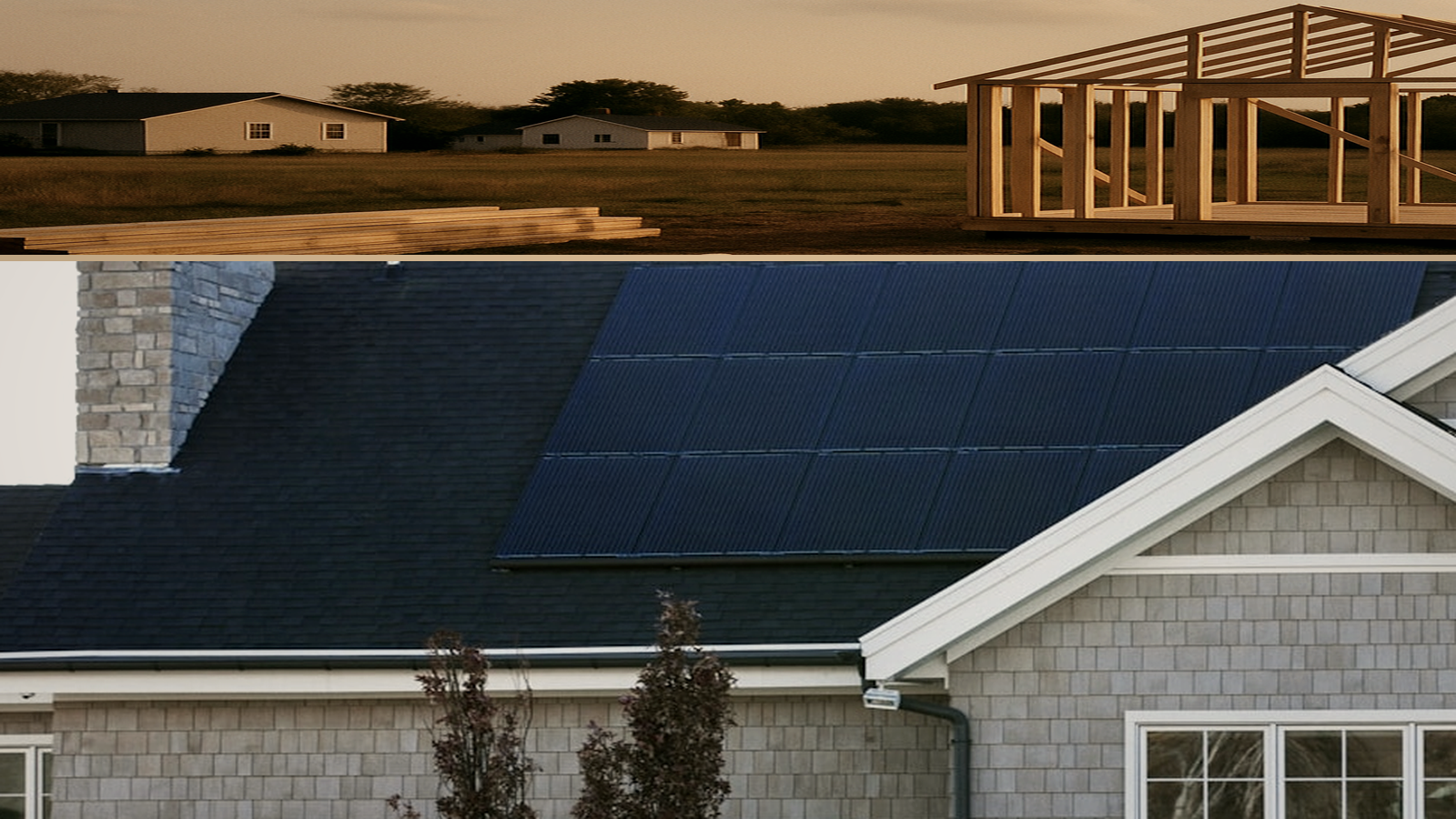
A lot of modern housing behaves like a black box
Many houses are now delivered as tightly packaged products:
- overbuilt in some ways,
- cheaply detailed in others,
- hard to modify cleanly,
- and dependent on specialists for every small decision.
That does not automatically make them bad.
But it does change the meaning of ownership. If you cannot understand the systems your shelter depends on, cannot repair ordinary failures, and cannot adapt the home without high friction, then the home may belong to you legally while still feeling closed in practice.
What open-source homebuilding values
This approach values:
- simple structural logic,
- repairable materials,
- accessible systems,
- drawings and decisions the owner can understand,
- and layouts that can change as life changes.
That is why open-source homebuilding often overlaps with:
- building in phases,
- smaller first builds,
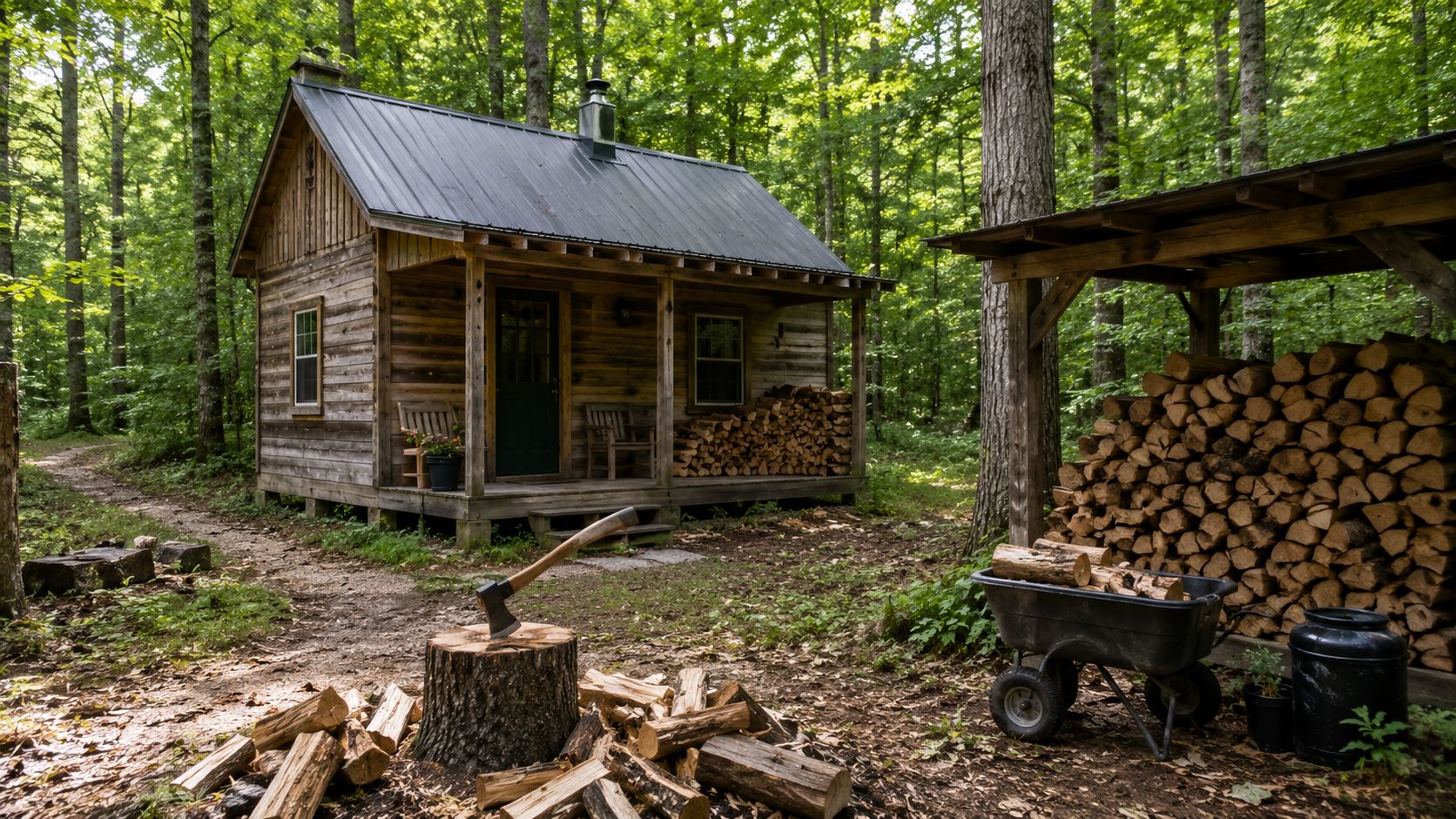
- owner-built or owner-led homes,
- and homes designed around use rather than prestige.
What this allows, and what it does not
This mindset can allow:
- more owner control,
- better long-term maintenance,
- easier adaptation,
- and a calmer relationship between the owner and the building.
It does not mean everyone should build alone, ignore code, or refuse expert help.
The point is not amateurism.
The point is to avoid black-box dependence.
Why this matters for LandShop
LandShop’s broader philosophy is that ownership should create more freedom, not more fragility.
That applies to land, utilities, shelter, and daily life.
A home you can understand and repair is not just cheaper to maintain. It is more yours.
It also tends to fit better with:
- lower debt,
- self-reliance,
- phased growth,
- and building only what you actually need.
Practical takeaway
Open-source homebuilding is the idea that good shelter should stay understandable enough to repair, adaptable enough to grow with, and simple enough that ownership still means real agency.
That is not just a building philosophy. It is a way of life.
Related questions
- Why a Good Home Should Not Be a Black Box
- Repairable Homes Create Real Ownership
- What Owner-Built Homes Still Get Right
- Build on Land Guide
Sources and further reading
FAQ
Does open-source homebuilding mean building everything yourself?
No. It means keeping the home understandable and owner-legible even when professionals are used for parts of the work.
What is the main problem this approach pushes against?
It pushes against black-box housing where owners depend on specialists for every small modification, repair, or systems decision.
Why does this fit self-reliance so well?
Because self-reliance depends on understanding the systems you live with, not just legally owning them.
More questions in this topic
Related links
Ask LandShop
Need help applying this to a real parcel?
Bring your actual land, financing, tax, zoning, or build question into the LandShop community and pressure-test the plan before you commit.