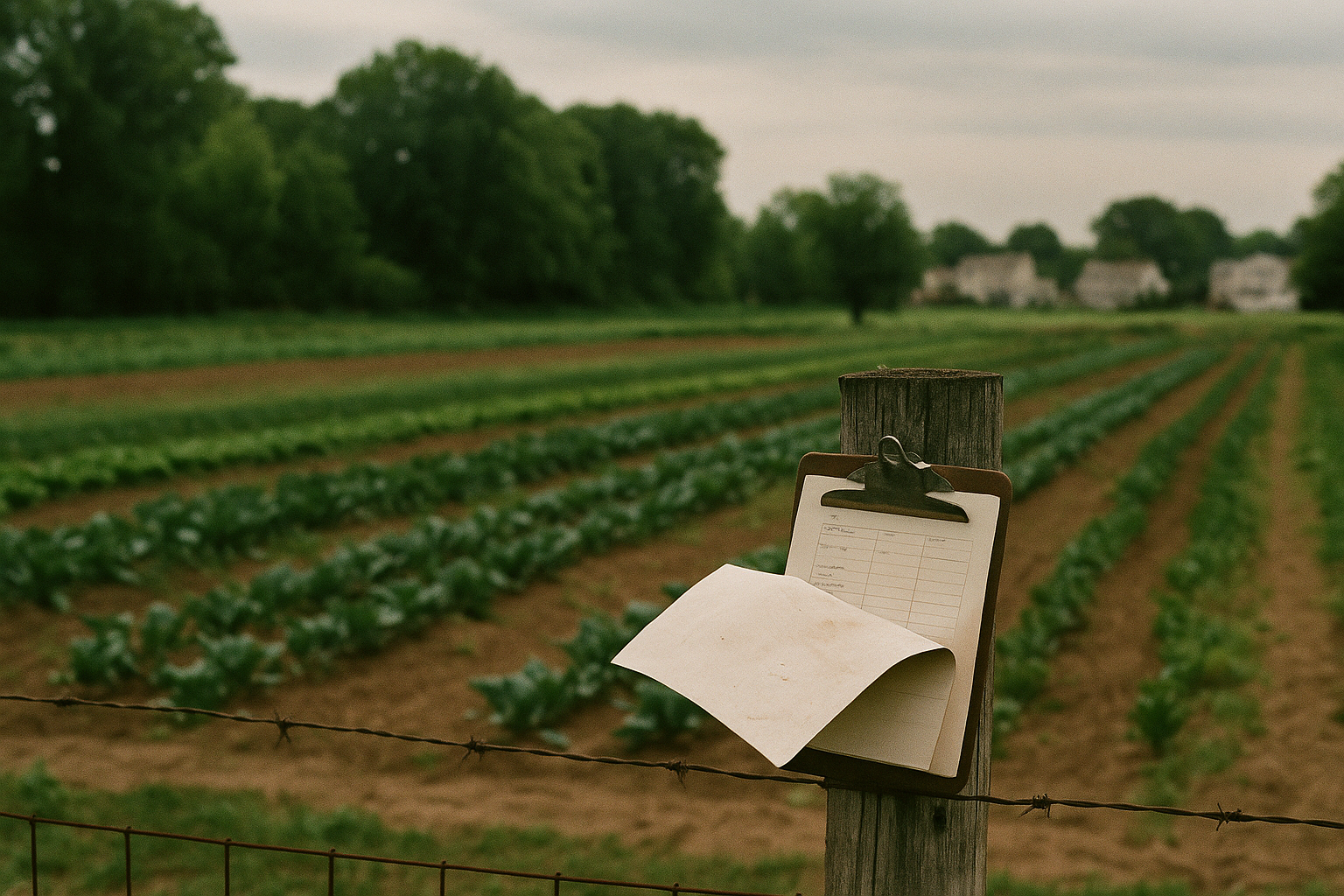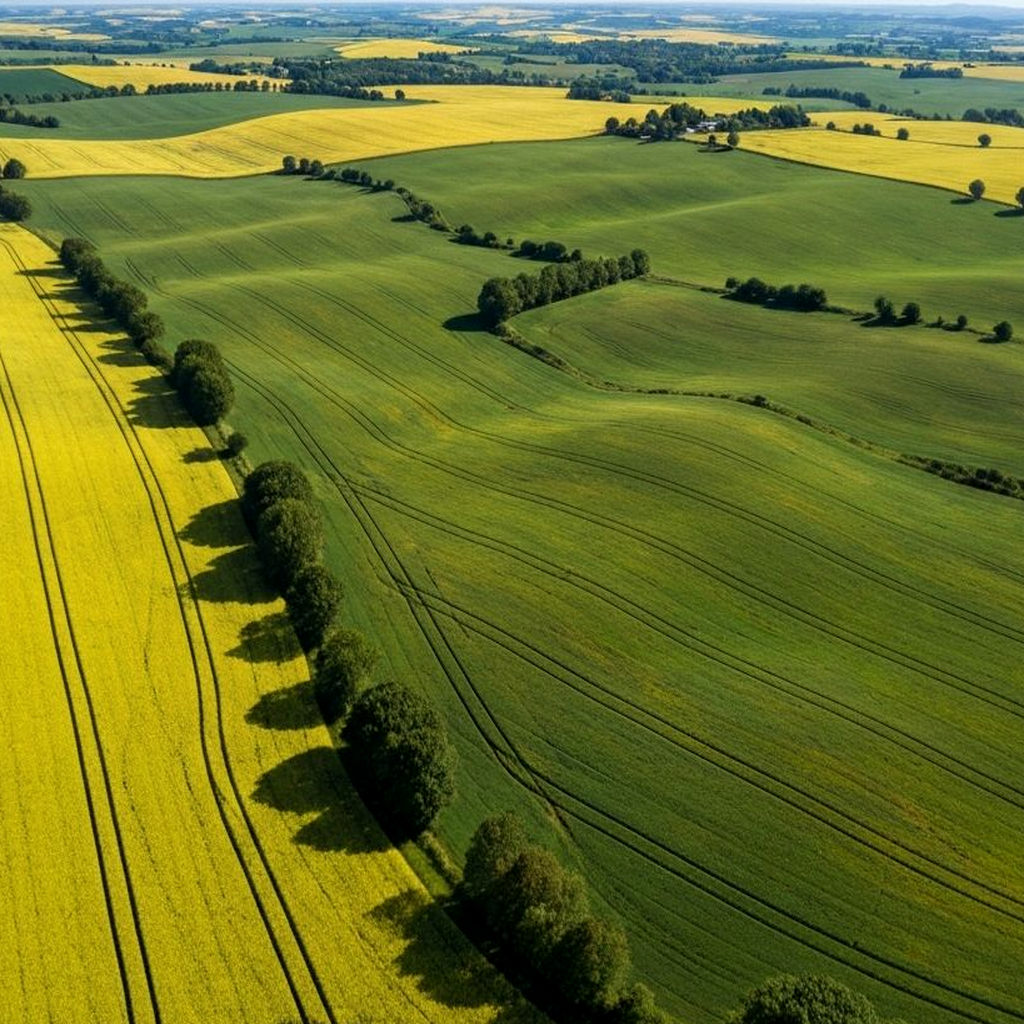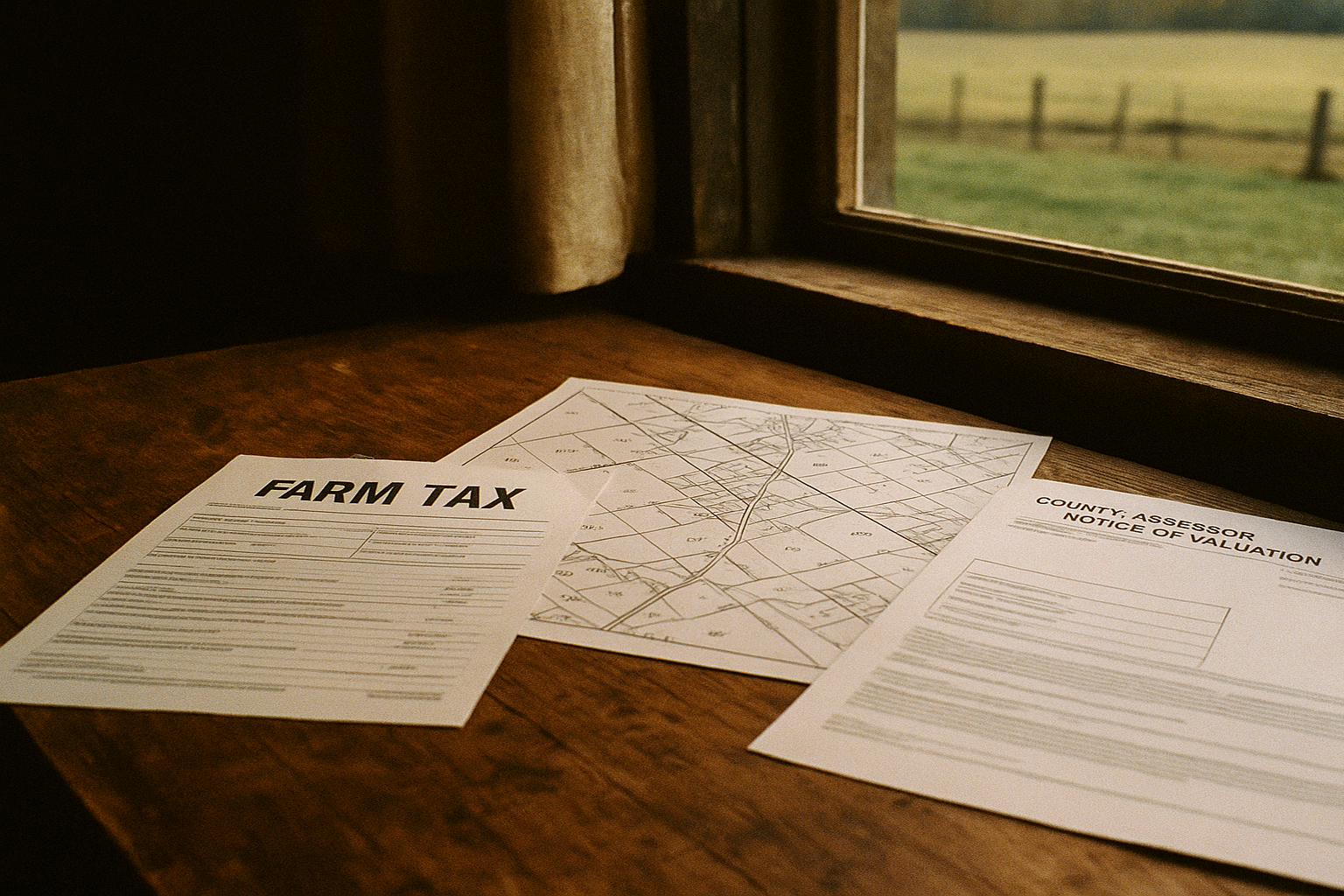
What Counts as a Farm for Property Tax Purposes?
Answer-first summary
There is no single national rule that turns land into a 'farm' for property-tax purposes. Federal tax law, USDA program rules, and state or county property-tax programs all use different standards. In practice, local property-tax treatment usually depends on active agricultural use, acreage, income or production thresholds, documentation, and timely filing, not simply whether a parcel looks rural or exceeds a certain size.
Start by separating three different questions
People often talk about “farm tax status” as if it were one thing. It usually is not.
When buyers ask whether land “counts as a farm,” they may be mixing together:
- federal income-tax treatment,
- USDA program eligibility,
- and local property-tax classification.
Those are related, but they are not the same.
The cleanest starting point is this: property-tax treatment is generally controlled by state law and local administration, not by one universal federal acreage rule.
Federal tax language is broader than most local property-tax programs
The IRS says in Publication 225, Farmer’s Tax Guide that farming includes cultivating, operating, or managing a farm for profit, and lists activities such as livestock, dairy, poultry, fish, fruit, and truck farms.
That matters for federal tax reporting, but it does not automatically tell you how a county assessor will classify a parcel for property-tax purposes.
This is where many buyers get tripped up. A parcel may support real farm activity and still fail a local property-tax program if the owner has not met acreage rules, income thresholds, or filing deadlines.
Property-tax treatment is usually about active use, not just acreage
Local farmland or agricultural assessments are usually based on some combination of:
- active agricultural or horticultural use,
- minimum acreage,
- minimum sales or production thresholds,
- supporting records,
- and application or reapplication requirements.
That is why the same parcel could be treated differently across states.
New Jersey
New Jersey’s farmland assessment program generally requires at least five qualifying acres, active agricultural or horticultural use, and minimum annual sales thresholds, along with timely filing. The state explains those rules in its Farmland Assessment overview, and we broke the program down separately in How New Jersey’s Farmland Assessment Works.
Texas
Texas does not run on a simple “five acres and you’re done” model. The Comptroller’s Special Valuation Appraisal manual (PDF) explains that agricultural appraisal depends on qualifying use and degree of intensity standards administered locally.
Florida
Florida’s agricultural classification rules focus on whether land is used primarily for bona fide agricultural purposes. The state’s Agricultural Classified Use guidelines (PDF) and property-tax forms page make clear that application and classification are part of the process.
What buyers should actually verify
If favorable property-tax treatment matters to the deal, verify it as carefully as access, zoning, or water.
That means asking:
- What local program applies here?
- What acreage, use, and income thresholds matter?
- What records prove qualification?
- Are there annual filings or renewals?
- Could rollback or recapture taxes apply if the use changes?
Do not underwrite a land purchase around a tax benefit you have not confirmed.
A small productive parcel may still matter
USDA’s Census of Agriculture notes that even small plots count as farms for census purposes if $1,000 or more of agricultural products were raised and sold, or normally would have been sold, during the census year. That is useful for understanding how agriculture is counted nationally, but it is still not a substitute for the local property-tax rules that will govern your actual carrying costs.
So yes, small acreage can still be real agriculture. It just may or may not qualify for a specific tax program where the land sits.
Practical takeaway
“What counts as a farm?” is usually the wrong question.
The better question is:
“Which rulebook am I talking about, and what does that specific program require?”
For property-tax purposes, buyers should assume nothing and verify everything. Use the farmland taxes FAQ, the agricultural tax breaks guide, and any state-specific program materials before you price the land around an expected savings.
Want help pressure-testing land where the tax treatment is part of the sales pitch? Sign up for LandShop and ask questions in the community. You can compare county rules, notes from other buyers, and real use plans before you commit.
Sources and further reading
FAQ
Does owning a certain number of acres automatically make land a farm for property-tax purposes?
Usually no. Many programs include acreage thresholds, but local tax treatment is typically based on active use, records, filings, and program-specific rules rather than acreage alone.
Is the federal IRS definition of farming the same as local property-tax farm status?
No. Federal tax guidance, USDA program language, and county property-tax classification are separate frameworks. Buyers should not assume one automatically controls the others.
What is the biggest mistake buyers make around farm tax treatment?
Treating the tax break like a rumor instead of a verified parcel characteristic. If the benefit matters to the deal, it should be documented before closing.
More questions in this topic
Related links
Ask LandShop
Need help applying this to a real parcel?
Bring your actual land, financing, tax, zoning, or build question into the LandShop community and pressure-test the plan before you commit.