What Can You Do With 5 Acres?
Answer-first summary
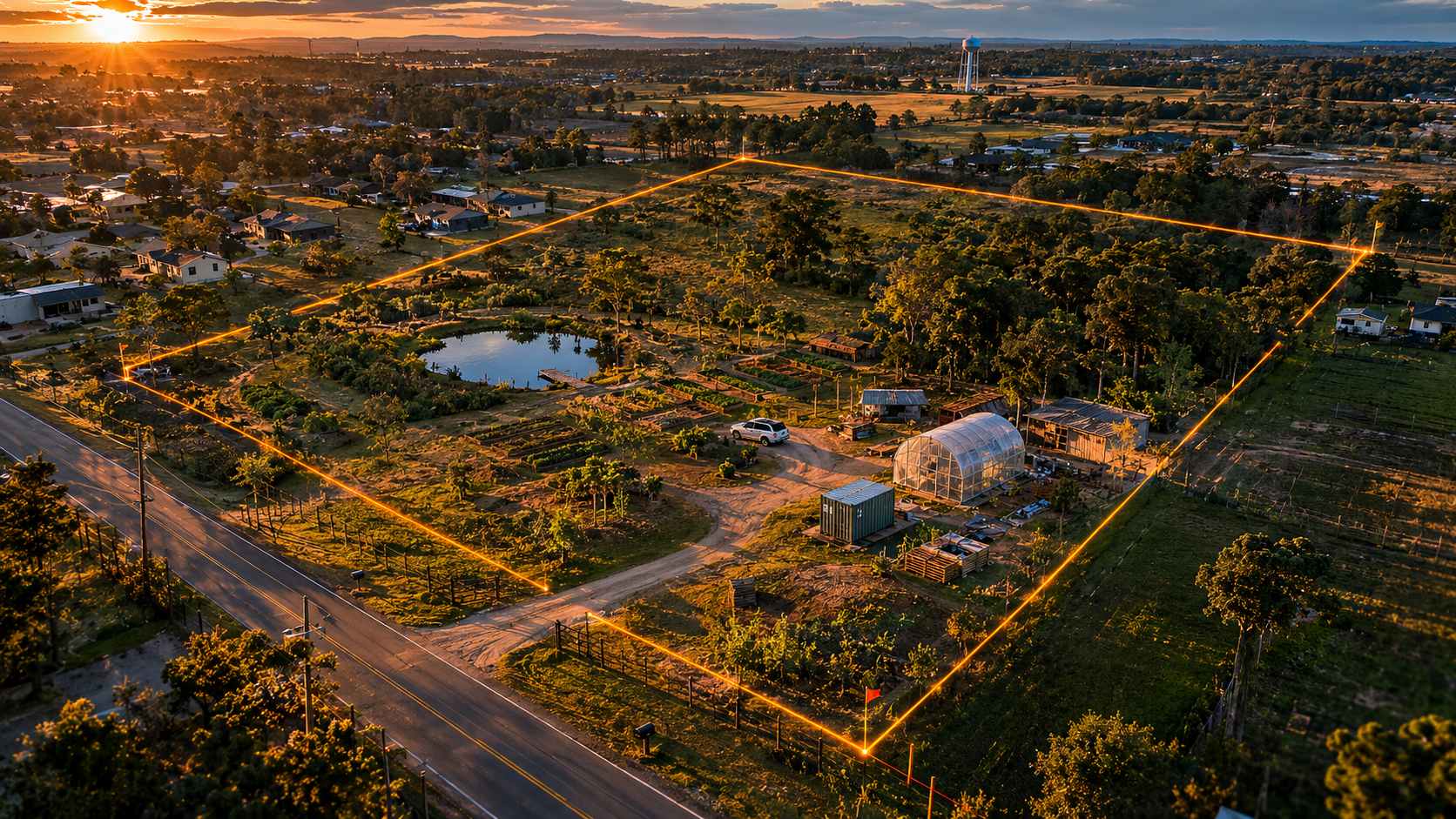
Five acres is enough land to be meaningful without being automatically overwhelming. Depending on zoning, water, soils, and your goals, it can support a homesite, serious garden, orchard, small livestock, direct-sale production, recreation, or a mix of those uses. The real question is not whether five acres is enough in the abstract. It is whether those five acres fit the life or business you are actually trying to build.
Five acres is not huge, but it is enough to matter
People often underestimate five acres because it does not sound like a farm in the big commercial sense. But for an individual household, five acres can create a lot of options.
It can be enough land for:
- a home and privacy buffer,
- a large garden,
- an orchard,
- chickens or other small livestock where allowed,
- a market garden,
- equipment or workshop space,
- and still some open ground to grow into.
That does not mean every five-acre parcel works the same. It means five acres is often the point where land starts to feel genuinely usable.
The right use depends on the land itself
Five acres of flat, watered, accessible land near town is different from five acres of steep woods with no well and poor access.
So the better question is not just “what can I do with five acres?”
It is:
“What can I do with these five acres?”
That depends on:
- zoning,
- water,
- soils,
- topography,
- access,
- neighborhood context,
- and how much of the parcel is actually usable.
Five acres can support more than one layer of use
One reason five acres is so appealing is that it often supports mixed use well.
For example:
- a homesite plus a productive garden,
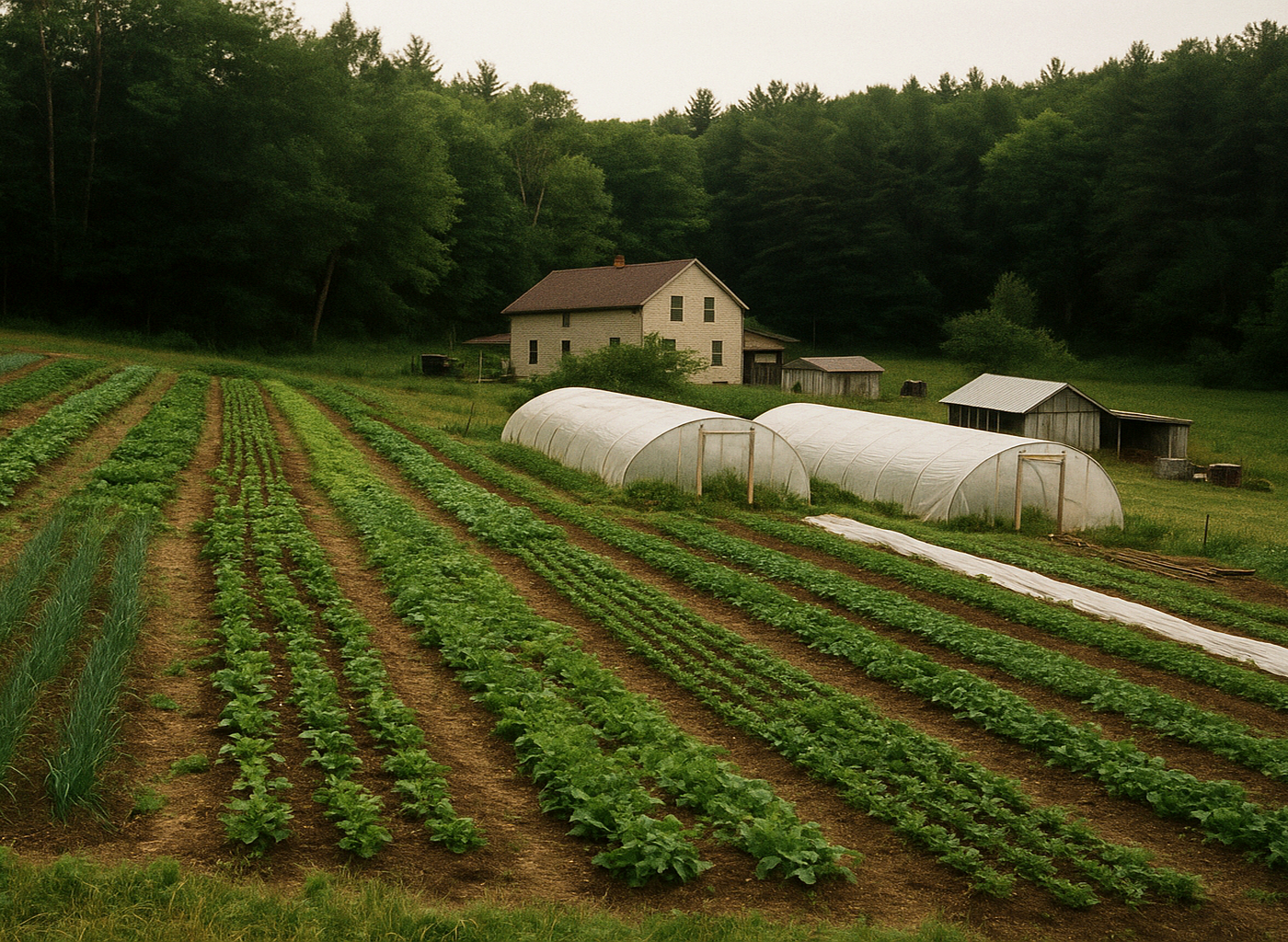
- a few hoop houses plus an orchard,
- a small pasture plus a workshop,
- or a market garden plus a place to actually live.
That flexibility is valuable because the land does not need to carry one giant purpose immediately. It can support phases.
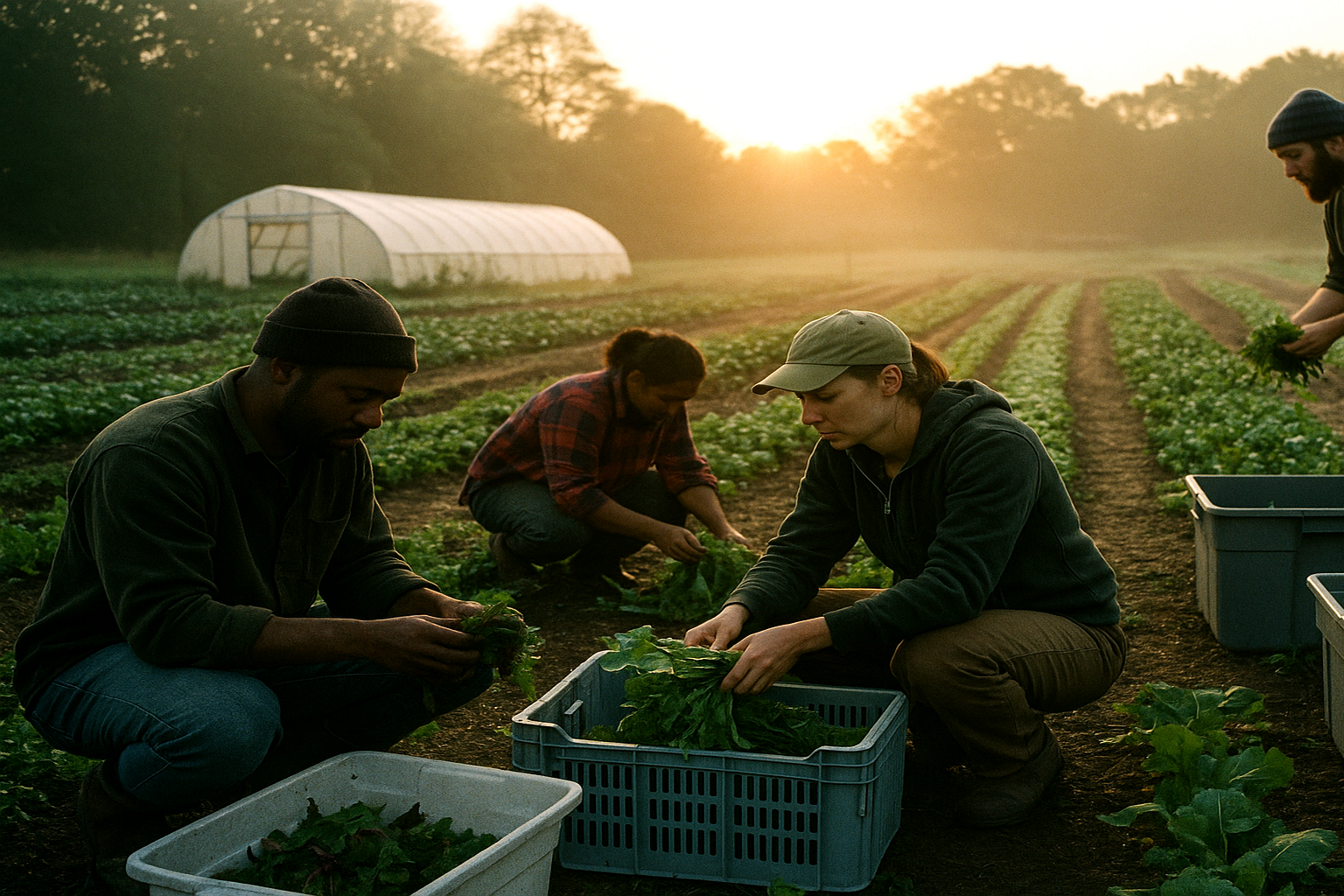
Small-scale production is more real than people think
USDA’s Census of Agriculture notes that even small plots can count as farms if $1,000 or more of products were raised and sold, or normally would have been sold, during the census year. That does not mean every five-acre parcel is a farm business. It does mean productive land at this scale is not imaginary.
USDA also reported that over 147,000 U.S. farms sold food locally through direct marketing practices, generating $9 billion in revenue in 2020. That matters because direct sales and local food systems make smaller-acreage production more viable than many people assume.
What five acres often does best
Five acres is usually strongest when buyers avoid trying to make it imitate a much larger farm.
It is often well-suited for:
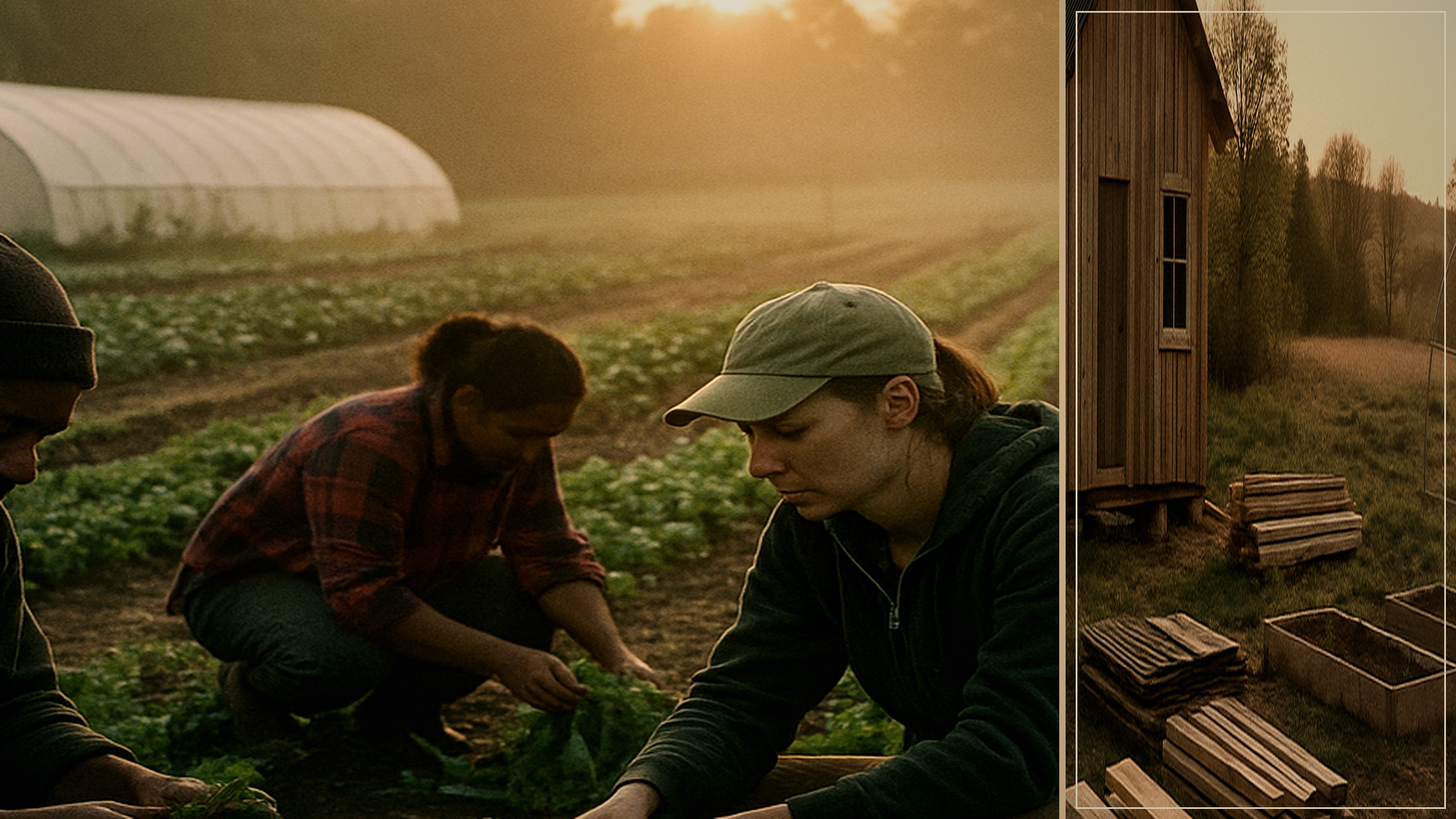
- a phased homestead,
- a serious household food system,
- a small orchard or berry operation,
- a compact market garden,
- small livestock where legal and practical,
- or a hybrid rural lifestyle with space to store tools, build, and expand carefully.
This is why How to Start a Market Garden on Small Land and How Small Farms Make Imperfect Land Work are so relevant. Small acreage works best when it is designed intentionally instead of spread thin.
What buyers should check before assuming five acres is enough
The main risks are not about acreage. They are about fit.
Before you buy, check:
- Whether the zoning allows your intended use
- Whether there is enough water for the plan
- How much of the five acres is actually usable
- Whether access and infrastructure support daily life
- Whether the property can work in phase one, not just in theory
Use the buying land checklist, the off-grid checklist, and the phased homestead guide together.
Practical takeaway
Five acres is enough to build a real foothold in ownership. It is not enough to do everything carelessly, but it is more than enough to do something meaningful if the parcel fits the plan.
For many buyers, that makes five acres a sweet spot: big enough to use, small enough to manage, and flexible enough to grow with.
Want help thinking through whether a five-acre parcel fits your goals? Sign up for LandShop and ask questions in the community. You can compare land-use ideas, layouts, and phased plans before you commit.
Sources and further reading
FAQ
Is five acres enough for a homestead?
Often yes. Five acres can support a home, serious garden space, some perennial food systems, and room to expand, depending on zoning, water, and usable ground.
Can five acres support income-producing land use?
Sometimes. Small-scale direct sales, market gardening, orchards, specialty crops, or mixed-use setups can work well if the parcel fits the plan and the market is nearby.
What matters more than acreage on a five-acre parcel?
Water, access, topography, zoning, and how much of the land is truly usable usually matter more than the number alone.
More questions in this topic
Related links
Ask LandShop
Need help applying this to a real parcel?
Bring your actual land, financing, tax, zoning, or build question into the LandShop community and pressure-test the plan before you commit.