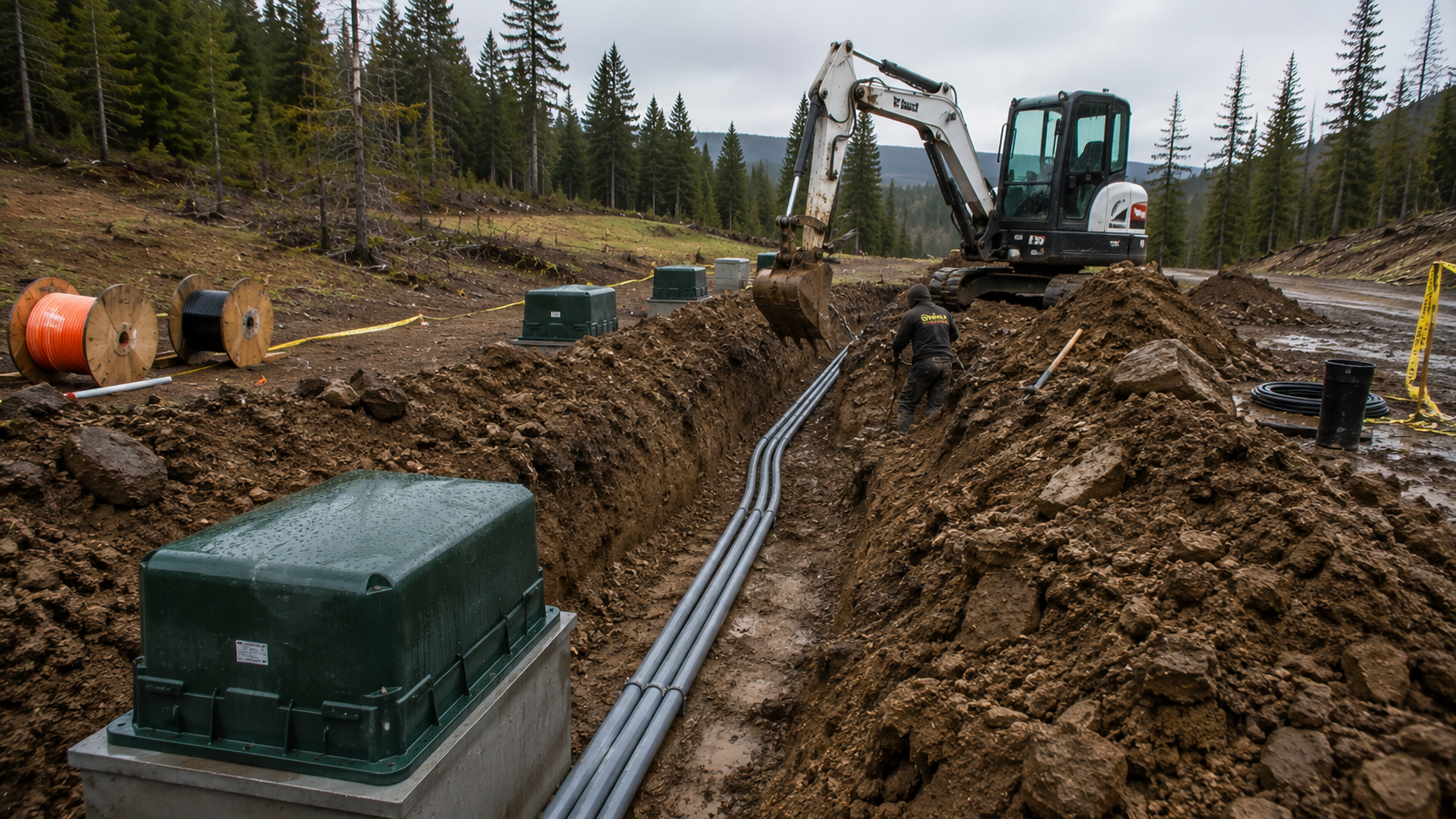
How to Find an Excavation Contractor for Land
Answer-first summary
A good excavation contractor does more than move dirt. They help you understand access, drainage, culverts, pads, grading, and how early site work decisions affect everything that follows. Buyers should hire for judgment and sequencing, not just for equipment size or the lowest bid.
Site work sets the tone for the whole project
Excavation is often the first moment when land stops being an abstract parcel and starts becoming a real project.
That is why the contractor matters so much.
You are not only hiring someone to dig. You are hiring someone whose early choices affect:
- driveway alignment,
- drainage,
- building pad quality,
- culvert sizing,
- access permits,
- and how easily the next trades can work.
Ask how they think, not just what they charge
The wrong excavation bid can look attractive because it sounds simple.
The right conversation should sound more like this:
- How will water move across the site?
- Where should the entrance or culvert actually go?
- What needs to be done before the pad is ready?
- What does the county or road authority usually want?
- What survey or topo information do you need before quoting confidently?
That tells you whether the contractor is reacting to the land or just reacting to the machine they already own.
Drainage and access are usually bigger than buyers expect
Many first-time land buyers underestimate how expensive bad water movement can become.
An excavation contractor who understands drainage is often more valuable than one who simply promises fast clearing.
The same is true for road access. A cheap entrance that fails inspection or washes out is not actually cheap.
Good excavation protects the next phases
The best site work makes later work easier:
- septic layout,
- utility trenching,
- cabin or home delivery,
- concrete work,
- and long-term maintenance.
That is why phased builders should care so much about this hire. Early mistakes compound.
Practical takeaway
Hire the excavation contractor who can explain the site back to you clearly.
If they cannot talk through drainage, access, sequence, and the consequences of early cuts and fill, they are probably not the right fit for a land-first project.
Related questions
FAQ
What should an excavation contractor know before starting land work?
They should understand drainage, driveway alignment, culverts, pad preparation, access rules, and the next steps in the build sequence.
Why is the cheapest excavation bid risky?
Because site work errors often create bigger later costs through drainage failure, access problems, pad rework, or conflicts with utilities and septic layout.
What should I ask before hiring?
Ask how they think about water flow, entrance permits, culverts, grading, what survey information they need, and what tasks are not included in the quote.
More questions in this topic
Related links
Ask LandShop
Need help applying this to a real parcel?
Bring your actual land, financing, tax, zoning, or build question into the LandShop community and pressure-test the plan before you commit.