How to Build a Homestead in Phases
Answer-first summary
The best phased homesteads do not start with a master buildout. They start with a usable parcel, a clear first phase, and a sequence that puts access, water, shelter, and food systems in sensible order. A phased plan lowers financial risk, lets the land teach you what it needs, and keeps ownership tied to what you can actually build and maintain.
A homestead is easier to build when it is not forced all at once
One reason homesteading feels out of reach is that people imagine the finished version first: the house, the barn, the orchard, the greenhouse, the solar array, the fencing, the animals, the workshop.
That version is not wrong. It is just expensive if you expect it to happen on day one.
A phased homestead works differently. It starts by asking:
What does this land need to become livable and useful first?
Phase one should make the land workable
The first phase usually has less to do with aesthetics and more to do with function.
That means securing:
- legal access,
- a dependable water plan,
- wastewater feasibility,
- shelter or housing,
- and enough storage or utility to make daily life possible.
If phase one is weak, every later phase becomes harder.
The land should support the first phase immediately
This is why parcel selection matters so much. Buyers often shop for the final dream and end up with land that is too expensive or too complex to stabilize early.
The better move is buying land that already works for the first phase.
That might mean:
- a simple homesite,
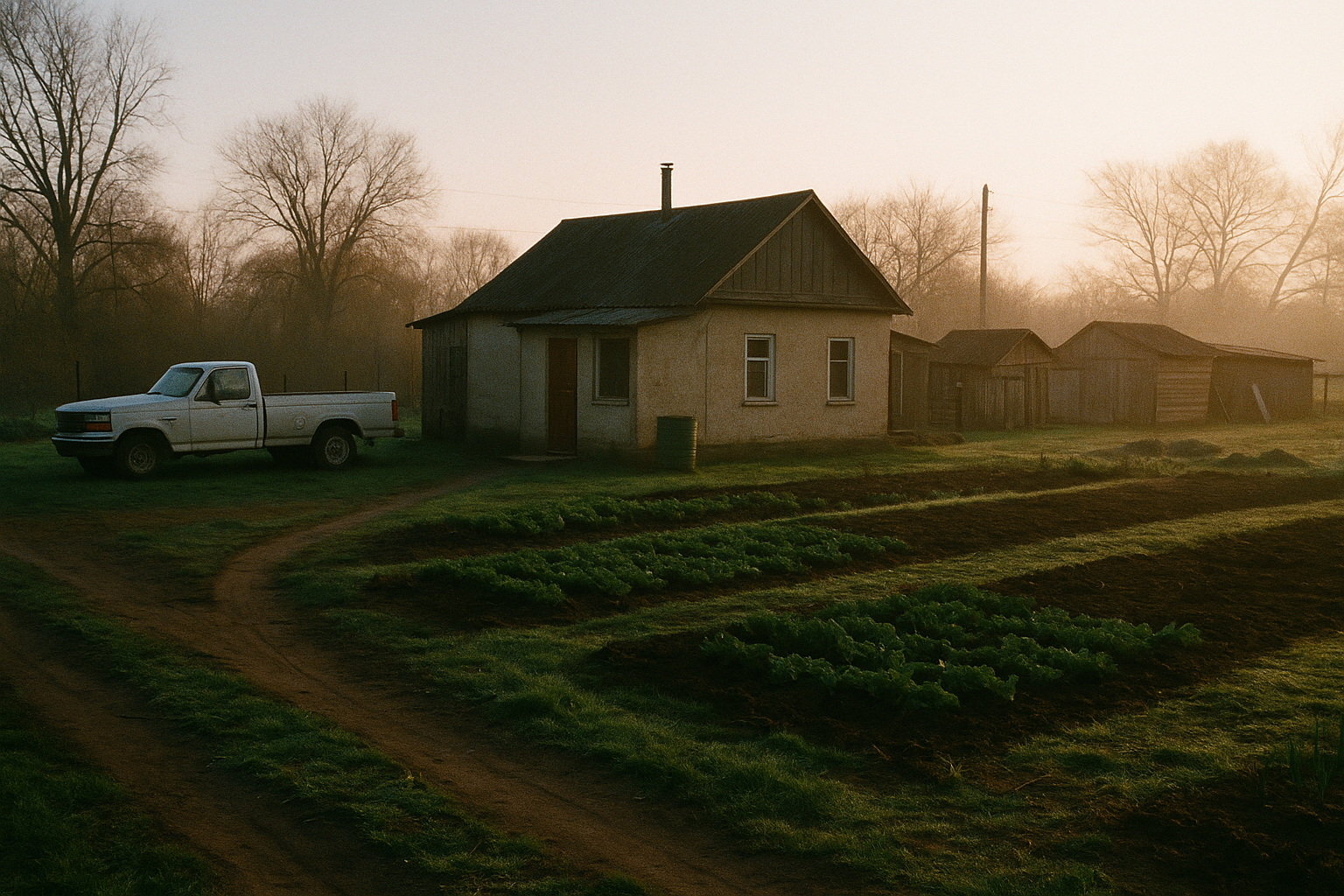
- a parcel with an existing modest structure,
- a property with easier water access,
- or land where one small growing area can become productive quickly.
Use the phased homestead guide and buying land checklist together before you buy for phase ten and neglect phase one.
Add systems in layers, not all at once
Once the land is workable, the next layers can build on each other.
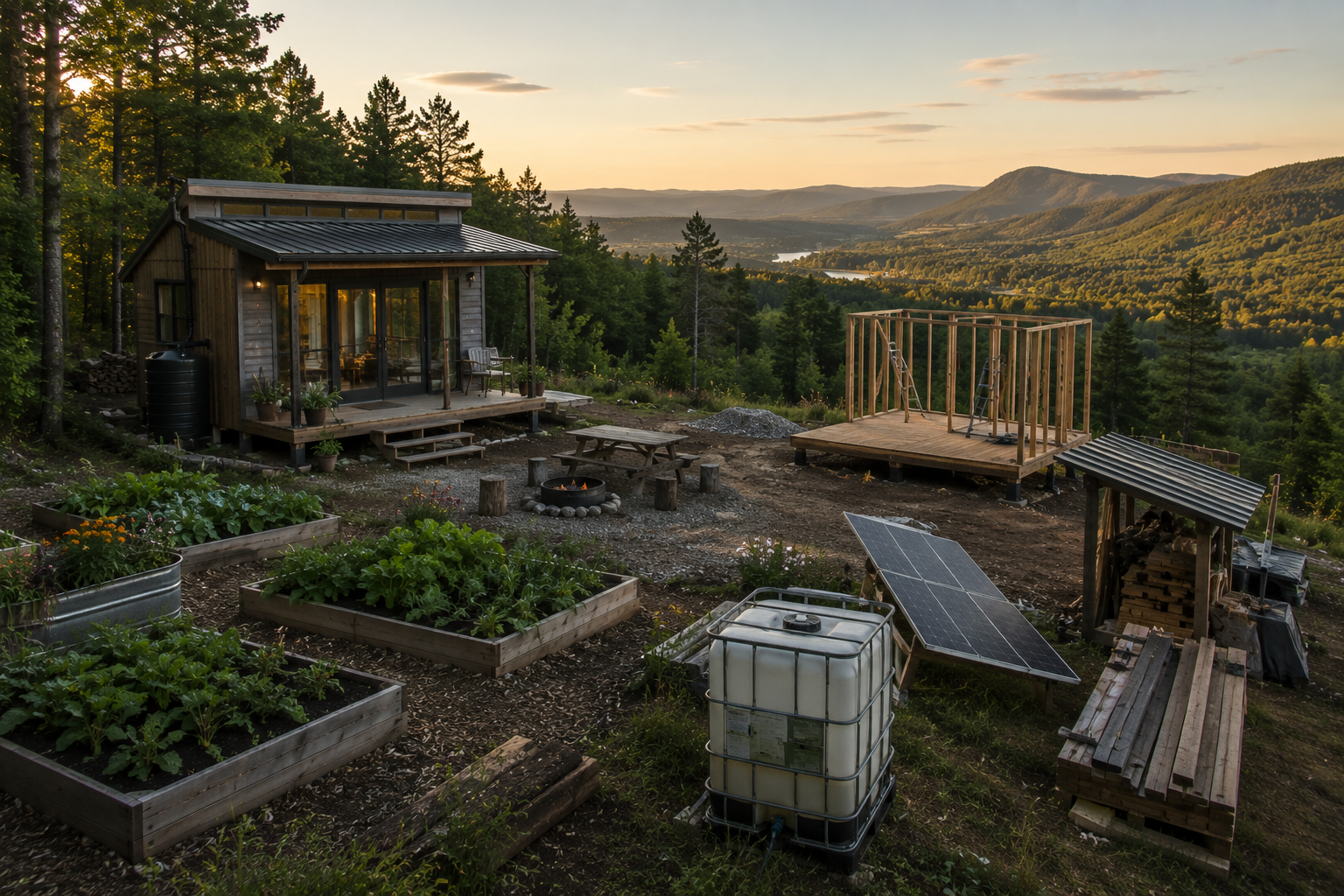
A practical sequence often looks like:
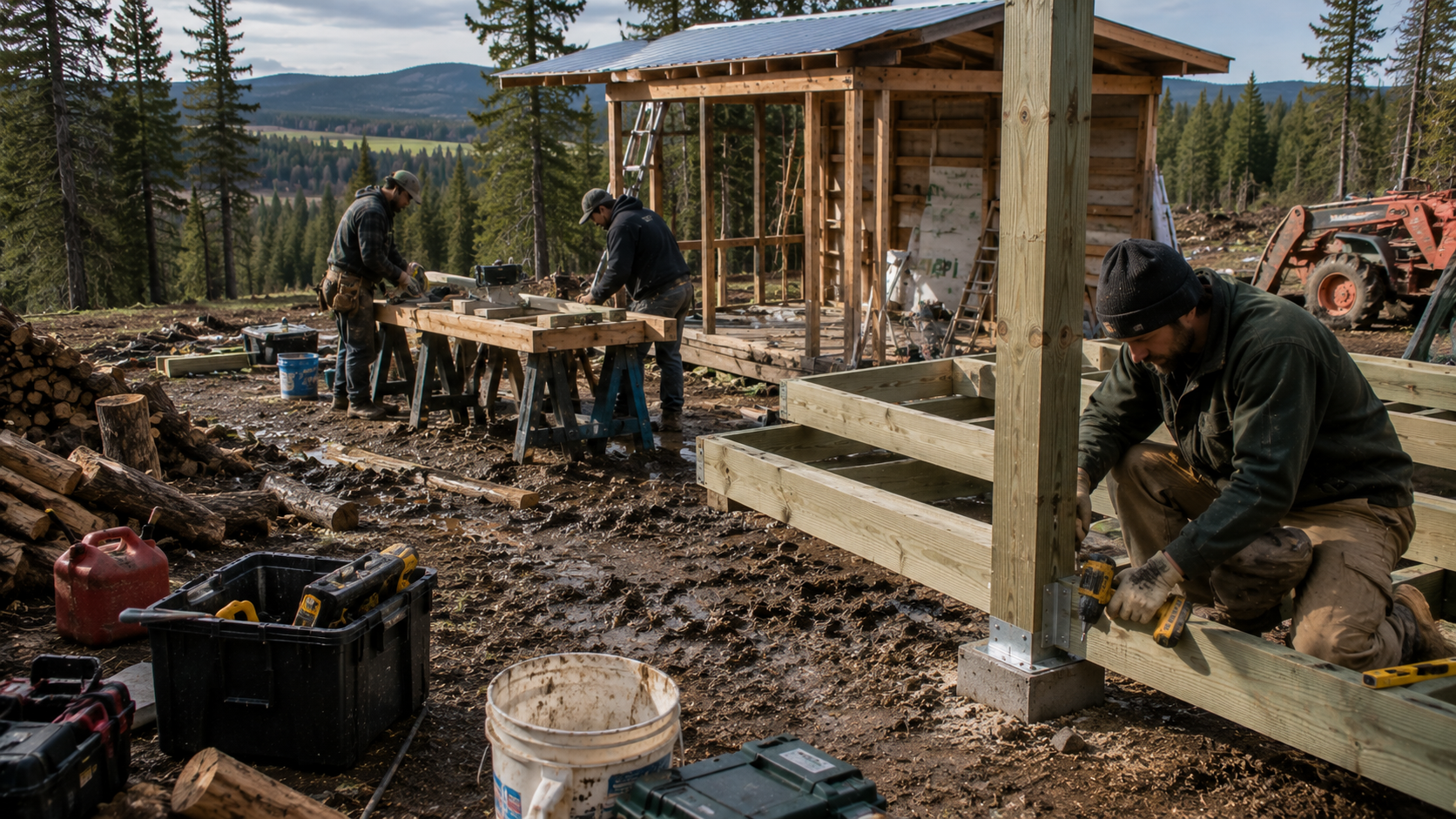
- site access and basic housing,
- water and wastewater,
- storage and tool infrastructure,
- food-growing space,
- season extension or small outbuildings,
- then larger systems like orchards, workshops, or expanded energy.
USDA Rural Development notes that Section 502 direct loans can help eligible rural buyers purchase or prepare sites, including water and sewage facilities. USDA’s Section 504 repair program can also matter for qualifying repair and health-safety work.
Those tools do not replace a good sequence, but they support the idea that the land becomes more useful as the essentials come online.
Food systems should start small and repeat well
A homestead does not need to start by feeding the whole household immediately.
A better early test is whether the land can reliably support:
- a garden you can actually maintain,
- staple crops you will really eat,
- storage habits that match your harvest,
- and maybe one or two season-extension tools.
NRCS explains that the EQIP High Tunnel Initiative can help growers extend the season and improve production conditions. That kind of addition makes much more sense once the core growing system is already working.
Small capital tools still matter
For people moving toward small farm or serious food production, USDA FSA’s microloan programs are designed around small, beginning, niche, and direct-market producers. That is useful because many phased homesteads eventually move from household use toward side income or production.
Again, the key is sequence. Use tools that fit the stage you are actually in.
Practical takeaway
Homesteads become overwhelming when buyers try to finance and build the final image all at once. They become workable when each phase solves a real problem and improves daily use.
That is the LandShop version of the idea: make the land useful first, then let the next phase earn its place.
Want help thinking through a parcel as a phased homestead instead of a one-shot dream build? Sign up for LandShop and ask questions in the community. You can compare first-phase plans, budgets, and land layouts before you commit.
Sources and further reading
FAQ
What should come first on a phased homestead?
Usually access, water, wastewater, and basic shelter. Those systems make the land workable and reduce the risk of overbuilding too early.
Why is phased building better than trying to do everything at once?
Because it lowers financial risk, gives you time to learn the land, and keeps each improvement tied to real use instead of abstract future plans.
Can a phased homestead eventually support income too?
Yes. Many do, especially when food production, direct sales, or small-scale farm use is added after the core living systems are stable.
More questions in this topic
Related links
Ask LandShop
Need help applying this to a real parcel?
Bring your actual land, financing, tax, zoning, or build question into the LandShop community and pressure-test the plan before you commit.